
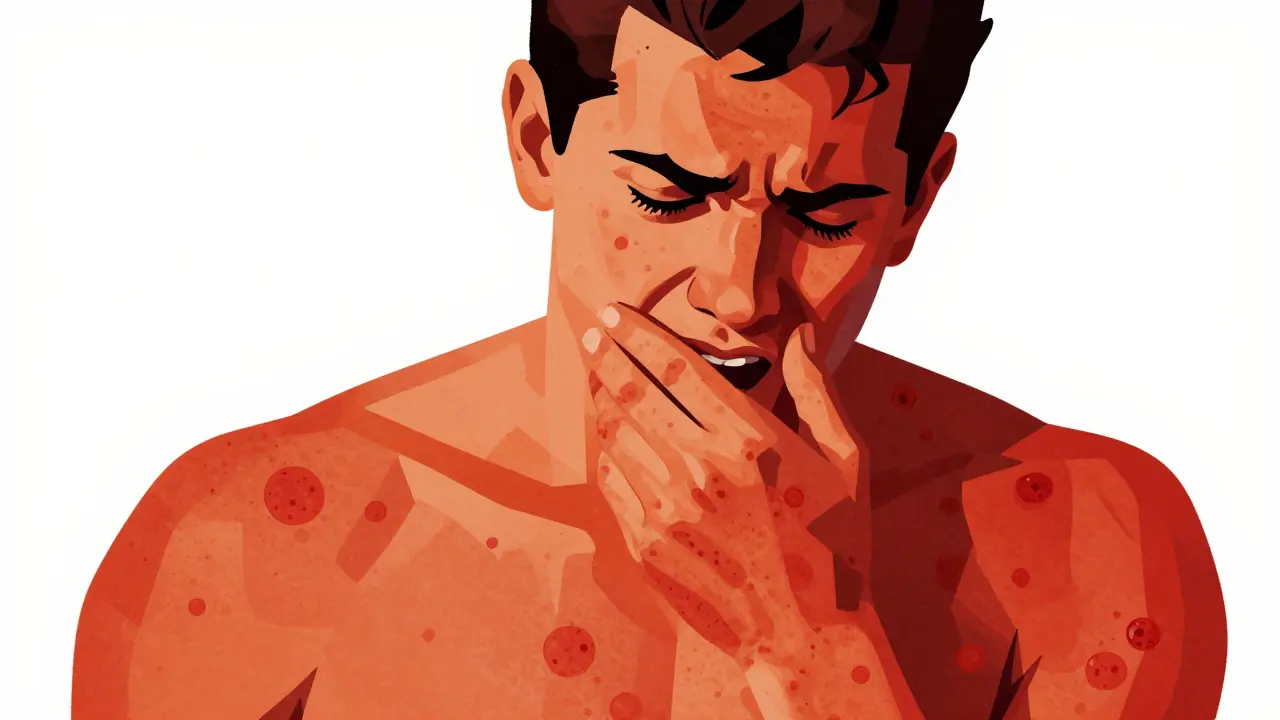
It starts with an itch you can’t scratch. Then comes the swelling-red, raised welts that seem to appear out of nowhere. For some, it’s a one-off reaction to a shellfish dinner or a bee sting. For others, it becomes a relentless, daily battle lasting months or even years. This is urticaria, commonly known as hives, and when the swelling moves deeper into the tissue, often around the eyes or lips, it’s called angioedema.
You might be wondering why this happens and, more importantly, how to stop it. The truth is, treating hives isn't just about popping an antihistamine and hoping for the best. It requires understanding whether your case is acute (short-term) or chronic (long-term), and crucially, identifying if histamine or another chemical like bradykinin is driving the reaction. Getting this wrong can mean wasting time on treatments that simply don't work.
Understanding Urticaria and Angioedema
To treat these conditions effectively, you first need to know what you're dealing with. Urticaria and angioedema are related but distinct inflammatory responses involving mast cells in your skin.
- Urticaria (Hives): These are transient, red, itchy, raised lesions on the surface of the skin. They usually last less than 24 hours in one spot before fading, only to reappear elsewhere.
- Angioedema: This involves deeper swelling in the dermis or subcutaneous tissue. It often affects the face, lips, tongue, throat, or genitals. Unlike hives, angioedema may not itch but can feel tight, painful, or burning. It lasts longer than hives, often up to 72 hours.
The critical distinction lies in duration. According to guidelines from the American Academy of Emergency Medicine (AAEM), symptoms lasting less than six weeks are classified as acute. If they persist beyond six weeks, it is considered chronic. Approximately 0.5% to 1% of the global population suffers from chronic spontaneous urticaria (CSU), while up to 20% of people will experience hives at some point in their lives.
Most acute cases have a clear trigger-medications, foods, insect stings, or infections. Chronic cases, however, are often idiopathic, meaning no specific cause is found despite testing. In fact, 75-80% of chronic cases are spontaneous, while the remaining 20-25% are inducible, triggered by physical factors like pressure, cold, or heat.
Treating Acute Urticaria and Angioedema
When hives or swelling appear suddenly, the goal is rapid relief and ensuring safety. Acute episodes typically resolve within 24 to 48 hours with appropriate care.
First-Line Treatments
For most acute cases, the cornerstone of treatment is non-sedating H1-antihistamines. Common options include:
- Cetirizine: 10mg once daily
- Loratadine: 10mg once daily
- Fexofenadine: 180mg once daily
If symptoms are severe or uncontrolled, doctors may add an H2 antagonist (like famotidine 20mg) or a short course of corticosteroids (such as prednisone 40-60mg). However, evidence supporting the long-term efficacy of steroids is limited, and they are generally reserved for severe acute flares rather than routine use.
Emergency Situations
Not all acute reactions are mild. If you experience respiratory distress, difficulty swallowing, stridor (a high-pitched breathing sound), or significant tongue/throat swelling, this is a medical emergency. Immediate administration of intramuscular epinephrine is required. Do not wait. Call emergency services immediately.
A critical nuance exists here: if the angioedema is isolated (no hives, no itching) and linked to ACE inhibitors (blood pressure medications ending in -pril), antihistamines and epinephrine may be ineffective. In these cases, immediate discontinuation of the drug and careful airway management are paramount.

Managing Chronic Spontaneous Urticaria (CSU)
Living with chronic hives is exhausting. The standard approach follows a stepwise escalation strategy, as outlined by the British Society for Allergy and Clinical Immunology (BSACI) and NHS pathways.
Step 1: Standard-Dose Antihistamines
Treatment begins with regular, daily use of a second-generation non-sedating antihistamine (e.g., cetirizine 10mg). Taking them regularly, rather than "as needed," helps maintain stable blood levels and prevents flare-ups.
Step 2: Dose Escalation
If standard doses fail to control symptoms, guidelines recommend increasing the dose up to four times the licensed amount. For example:
- Cetirizine: Up to 40mg daily
- Fexofenadine: Up to 540mg daily (often split as 360mg morning, 180mg evening)
This off-label dosing is safe for most adults and significantly increases efficacy rates from ~50% to 70-80%. However, this should always be done under medical supervision, especially if you have kidney issues or are pregnant.
Step 3: Add-On Therapies
If high-dose antihistamines aren't enough, doctors may add:
- Montelukast: 10mg at night, particularly helpful if NSAIDs worsen your symptoms.
- Omalizumab: A biologic injection (anti-IgE antibody) given monthly. It shows a 60-70% response rate in refractory CSU but requires specialist referral and costs approximately £1,200/month in the UK.
Step 4: Refractory Cases
For patients who do not respond to omalizumab, immunomodulatory therapies like cyclosporine may be considered. These carry higher risks and require strict monitoring by an allergist or dermatologist.
| Treatment Step | Medication/Therapy | Typical Dose | Efficacy Rate |
|---|---|---|---|
| Step 1 | Standard H1-Antihistamine | Cetirizine 10mg | 50-60% |
| Step 2 | High-Dose H1-Antihistamine | Cetirizine 40mg / Fexofenadine 540mg | 70-80% |
| Step 3 | Omalizumab (Biologic) | 300mg monthly injection | 60-70% |
| Step 4 | Immunomodulators | Cyclosporine (variable) | Varies |
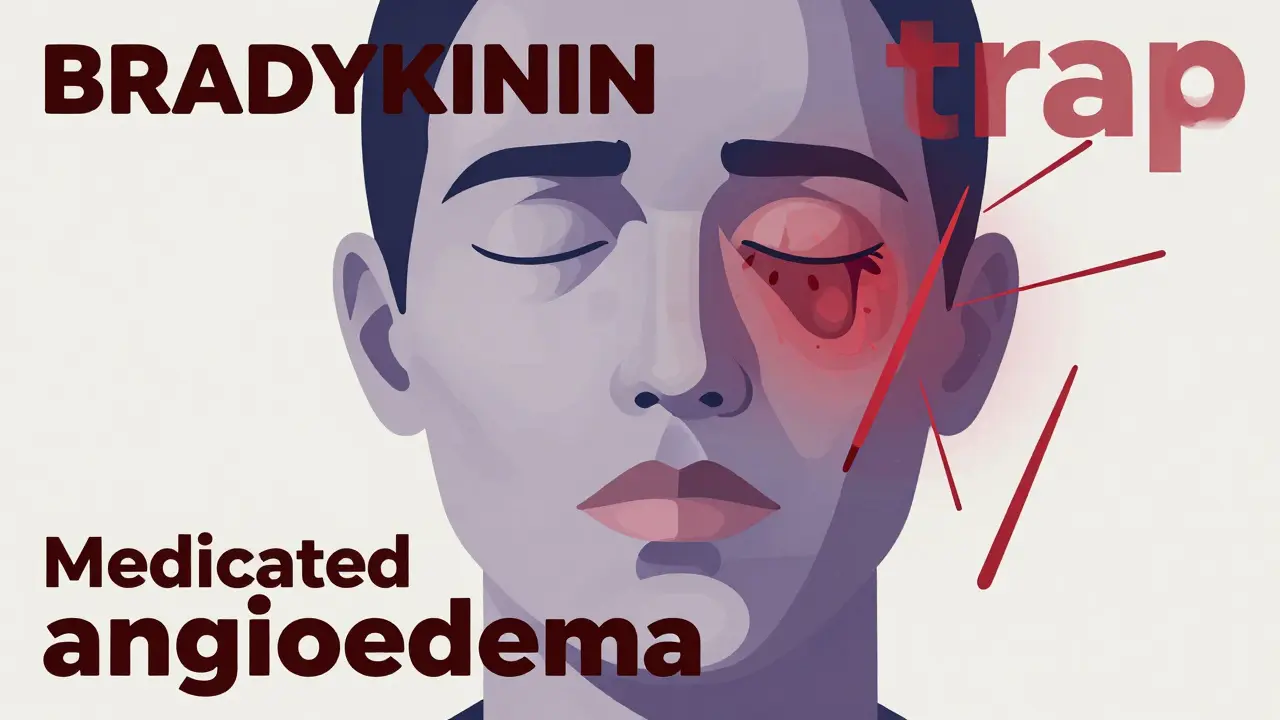
The Bradykinin Trap: When Antihistamines Fail
This is the most dangerous misconception in urticaria treatment. Not all swelling is caused by histamine. Bradykinin-mediated angioedema does not respond to antihistamines, epinephrine, or steroids.
This type of swelling occurs in:
- Hereditary Angioedema (HAE): A genetic condition affecting C1 esterase inhibitor.
- ACE Inhibitor-Induced Angioedema: Caused by drugs like lisinopril or ramipril.
- DPP4 Inhibitor-Associated Angioedema: Linked to diabetes drugs like sitagliptin (gliptins).
If you have isolated angioedema without hives or itching, suspect bradykinin. In these cases, the treatment is entirely different:
- Immediate cessation of the offending drug (e.g., ACE inhibitor).
- Airway protection is the priority; intubation may be necessary if the throat swells.
- Specific therapies such as C1 esterase inhibitor concentrates, icatibant, or ecallantide for HAE.
Dr. E. Macy’s research emphasizes that using steroids or epinephrine for bradykinin-mediated angioedema provides zero benefit and can cause severe side effects. Watchful waiting and airway management are key.
Practical Tips for Daily Management
Living with urticaria requires more than just medication. Lifestyle adjustments can significantly reduce flare frequency.
- Avoid Triggers: Keep a symptom diary. Note foods, stress levels, temperature changes, and medications. Common culprits include NSAIDs (ibuprofen, aspirin), alcohol, and hot environments.
- Skin Care: Use cool compresses to soothe itching. Avoid hot showers, which can release more histamine. Wear loose, cotton clothing to minimize friction.
- Stress Management: Stress is a known exacerbator of chronic urticaria. Techniques like mindfulness, yoga, or cognitive behavioral therapy can help regulate the nervous system's response.
- Medication Review: If you take ACE inhibitors for blood pressure, discuss switching to an ARB (angiotensin II receptor blocker) with your doctor. While ARBs carry a small risk (~10%) of angioedema, they are safer than ACE inhibitors for those prone to swelling.
When to See a Specialist
You should seek specialist care (Allergist/Immunologist) if:
- Symptoms persist beyond six weeks.
- Over-the-counter antihistamines provide no relief.
- You experience swelling of the tongue, throat, or difficulty breathing.
- You suspect Hereditary Angioedema (family history of sudden swelling).
- You are pregnant or breastfeeding and need safe medication options.
Specialists can perform targeted tests, such as C4 and C1 inhibitor levels for HAE, or refer you for biologic therapy like omalizumab.
How long do acute hives last?
Acute urticaria typically resolves within 24 to 48 hours with appropriate treatment. By definition, if symptoms last less than six weeks, they are classified as acute. Most cases are self-limiting and triggered by identifiable factors like food, medication, or infection.
Can I take double the dose of antihistamines for chronic hives?
Yes, current guidelines from BSACI and NICE support increasing the dose of non-sedating antihistamines up to four times the standard licensed amount for chronic spontaneous urticaria. For example, fexofenadine can be increased to 540mg/day. However, this must be done under medical supervision to monitor for side effects and ensure it is safe for your specific health profile.
Why aren't my antihistamines working for my facial swelling?
If you have isolated angioedema (swelling without hives or itching), it may be bradykinin-mediated rather than histamine-mediated. This type of swelling, often associated with ACE inhibitors or hereditary angioedema, does not respond to antihistamines, epinephrine, or steroids. Immediate medical evaluation is crucial to rule out airway compromise and identify the correct underlying mechanism.
Is omalizumab covered by insurance or the NHS?
In the UK, omalizumab is available through the NHS for patients with chronic spontaneous urticaria who have failed high-dose antihistamines. It requires referral to a secondary care specialist (Allergy/Immunology service). Coverage varies globally, but it is widely recognized as a standard advanced therapy for refractory cases.
What should I avoid if I have chronic hives?
Common triggers to avoid include NSAIDs (like ibuprofen and aspirin), alcohol, extreme temperatures (hot showers, saunas), and tight clothing. Stress is also a major exacerbator. Additionally, if you are prone to angioedema, strictly avoid ACE inhibitors and use caution with DPP4 inhibitors.
Do corticosteroids help with angioedema?
Corticosteroids may help in acute, histamine-mediated angioedema accompanied by hives. However, they are ineffective for bradykinin-mediated angioedema (such as that caused by ACE inhibitors or hereditary angioedema). Long-term steroid use is discouraged due to significant side effects, including bone density loss and immune suppression.
How is Hereditary Angioedema diagnosed?
HAE is diagnosed through blood tests measuring C4 levels (which are typically low during attacks) and C1 inhibitor function/antigen levels. Genetic testing can confirm mutations in the SERPING1 gene. Diagnosis should be pursued if there is a family history of unexplained swelling or if attacks occur without hives.
Can stress cause hives?
Yes, stress is a well-documented trigger for both acute and chronic urticaria. Emotional stress can activate mast cells and increase histamine release. Managing stress through relaxation techniques, adequate sleep, and therapy can be an essential part of a comprehensive treatment plan.