
Diabetes Medication & Alcohol Risk Calculator
Assess Your Interaction Risk
Primary Danger:
Symptom Check: Drunk or Low Blood Sugar?
Click on any symptoms you are currently feeling. This helps distinguish between intoxication and hypoglycemia.
You pour a glass of wine after dinner, but your blood sugar monitor is beeping. Is it the drink? The medication? Or both? For millions of people managing diabetes, a chronic metabolic condition that affects how the body processes glucose, this scenario is a genuine nightmare. Mixing alcohol with diabetes drugs isn't just about counting carbs; it's a complex chemical negotiation between your liver, your pancreas, and the pharmaceuticals in your bloodstream.
The stakes are high. Alcohol doesn't just raise your blood sugar like sugary soda does. In many cases, it crashes it. This drop, known as hypoglycemia, a condition characterized by abnormally low blood glucose levels, can happen hours after your last sip, often while you're asleep. When combined with certain medications, the risk becomes life-threatening. Understanding these interactions is not optional-it’s essential for staying safe.
Why Your Liver Gets Confused
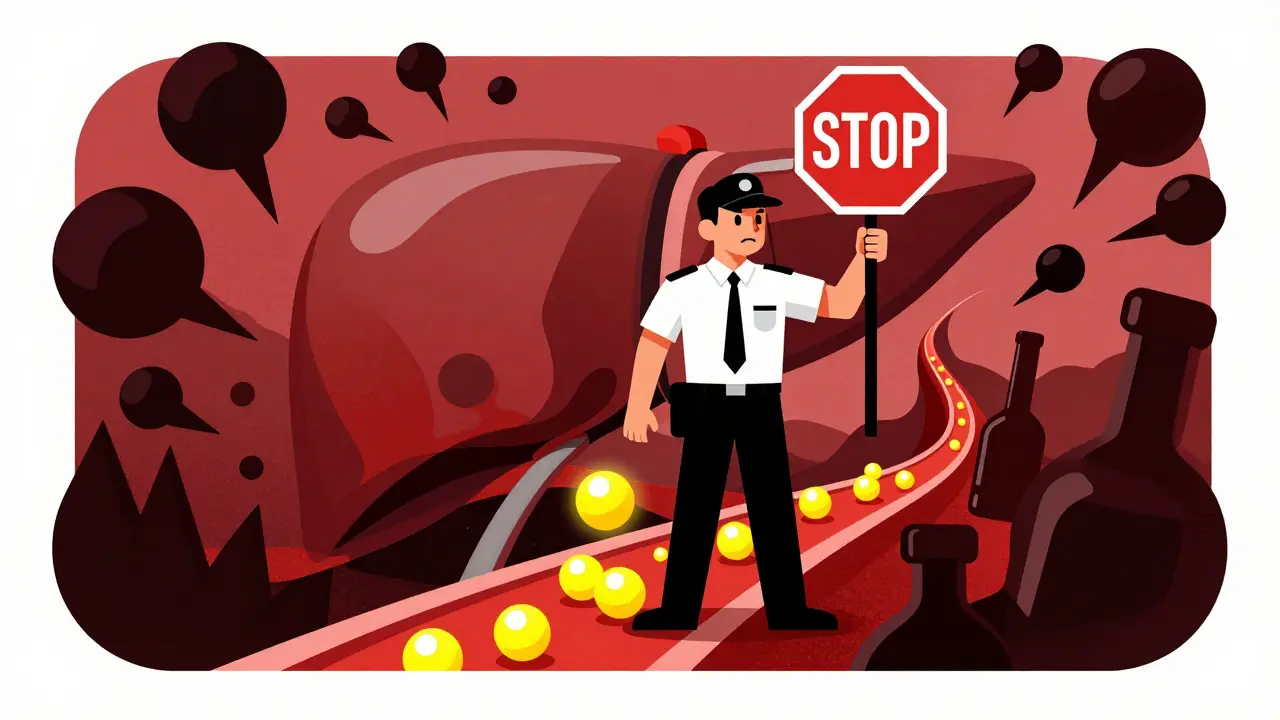
To understand why alcohol is so tricky for diabetics, you have to look at the liver, a vital organ responsible for filtering toxins and regulating blood sugar. Think of your liver as a busy traffic controller. Its main job during fasting or between meals is to release stored glucose (glycogen) into your bloodstream to keep your energy levels stable.
When you drink alcohol, the liver sees it as a toxin. It immediately stops everything else to metabolize the ethanol. It prioritizes detoxification over glucose regulation. If you are taking insulin or sulfonylureas-medications that lower blood sugar-your liver is now blocked from releasing the backup glucose you need. The result? A rapid and dangerous drop in blood sugar.
This mechanism is why drinking on an empty stomach is particularly risky. Without food to provide immediate glucose, your body relies entirely on the liver’s reserves. But because the liver is busy processing alcohol, those reserves stay locked away. This creates a perfect storm for severe hypoglycemia.
The Great Imposter: Hypoglycemia vs. Intoxication
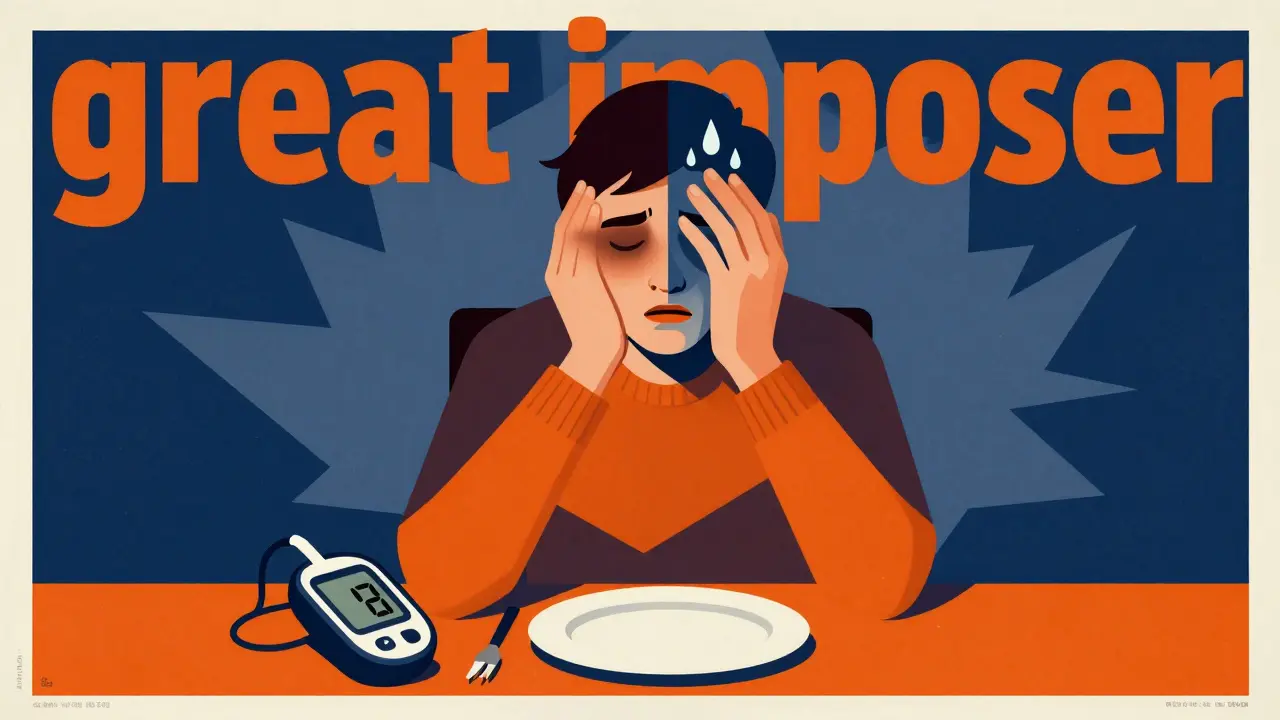
One of the most dangerous aspects of mixing alcohol and diabetes meds is symptom overlap. If your blood sugar drops too low, you might feel dizzy, confused, slurred speech, or difficulty walking. These are also classic signs of being drunk.
If you’re out with friends who don’t know you have diabetes, they might assume you’ve had one too many drinks. They won’t check your glucose. They won’t give you juice or glucagon. Instead, they might put you to bed, thinking you’ll sleep it off. Meanwhile, your brain is starving for glucose. This delay in treatment can lead to seizures, coma, or worse.
This confusion is especially dangerous for people with hypoglycemia unawareness, a condition where individuals do not feel the early warning signs of low blood sugar. Alcohol worsens this by masking the physical tremors and sweating that usually alert you to a drop. You might feel fine until you suddenly pass out.
Medication-Specific Risks
Not all diabetes medications react the same way to alcohol. The risk level depends heavily on the class of drug you are prescribed.
| Medication Class | Primary Risk | Safety Level |
|---|---|---|
| Insulin | Severe Hypoglycemia | High Risk |
| Sulfonylureas (e.g., Glipizide) | Severe Hypoglycemia | High Risk |
| Metformin | Liver Stress & GI Issues | Moderate Risk |
| DPP-4 Inhibitors | Minimal Interaction | Low Risk |
| SGLT2 Inhibitors | Dehydration & Ketoacidosis | Moderate Risk |
Insulin and Sulfonylureas: These drugs actively lower blood sugar. When combined with alcohol’s blockade of liver glucose release, the effect is multiplicative. Even moderate drinking can cause a crash. The American Diabetes Association identifies this combination as the biggest concern for acute complications.
Metformin: While metformin doesn’t typically cause hypoglycemia on its own, it puts stress on the liver and kidneys. Alcohol does the same. Combining them increases the risk of lactic acidosis, a rare but serious buildup of lactic acid in the blood. Additionally, both substances irritate the gastrointestinal tract. Mixing them can intensify nausea, abdominal pain, and vomiting. If you already struggle with metformin’s digestive side effects, alcohol will make them significantly worse.
SGLT2 Inhibitors: Drugs like Jardiance or Farxiglo help you excrete glucose through urine. This process causes dehydration. Alcohol is also a diuretic. Combining them can lead to severe dehydration and increase the risk of diabetic ketoacidosis (DKA), even if your blood sugar isn’t extremely high. DKA is a medical emergency that requires hospitalization.
Long-Term Liver Damage
Beyond the immediate danger of a sugar crash, there is the cumulative toll on your liver. Both type 2 diabetes and chronic alcohol use are leading causes of non-alcoholic fatty liver disease (NAFLD) and alcoholic hepatitis. When you combine them, you accelerate liver damage.
A compromised liver struggles to regulate blood sugar effectively, creating a vicious cycle. Poor glucose control leads to more fat accumulation in the liver, which further impairs its function. Over time, this can progress to cirrhosis, a condition where healthy liver tissue is replaced with scar tissue. Once cirrhosis sets in, your ability to manage diabetes becomes exponentially harder, and your risk of liver failure increases.
Recent studies highlight that even moderate drinking can elevate liver enzymes in people with diabetes. Monitoring liver function tests (ALT, AST) regularly is crucial if you choose to consume alcohol. Don’t wait for symptoms; liver damage is often silent until it’s advanced.
How to Drink Safely (If You Choose To)
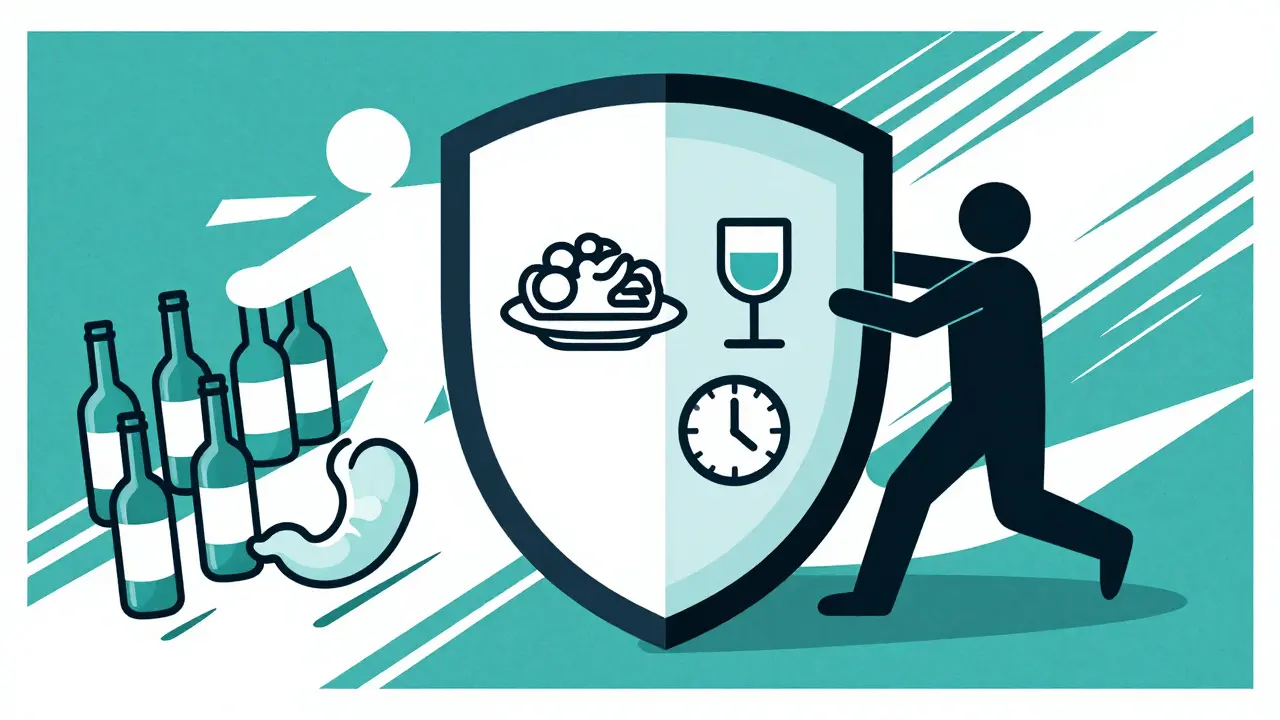
If your doctor says it’s safe for you to drink, follow these strict guidelines to minimize risk. Safety is not about abstaining entirely; it’s about intelligent management.
- Eat First, Drink Later: Never drink on an empty stomach. Have a meal or snack containing carbohydrates before and while you drink. This provides a buffer of glucose for your body to use while your liver is busy with the alcohol.
- Choose Low-Carb Drinks: Avoid sweet cocktails, regular beer, and dessert wines. Stick to light beers, dry red or white wines, and spirits mixed with zero-calorie mixers like soda water. Sweet mixers spike your blood sugar initially, followed by a sharp drop later.
- Set Limits: Follow standard guidelines: no more than one drink per day for women and two for men. One drink equals 12 oz of beer, 5 oz of wine, or 1.5 oz of distilled spirits.
- Monitor Frequently: Check your blood sugar before drinking, every hour while drinking, and right before bed. If it’s below 100 mg/dL, eat some carbs first. Set an alarm to check your levels overnight, as delayed hypoglycemia is common.
- Wear Medical ID: Ensure your medical bracelet or necklace clearly states you have diabetes. This alerts helpers if you become confused or unconscious.
- Tell Your Friends: Make sure the people you’re with know you have diabetes. Show them what your glucose meter looks like and explain that if you act “drunk,” you might actually be low.
Technology and Future Tools
Modern technology is helping bridge the gap in safety. Continuous Glucose Monitors (CGMs) like the Dexcom G7 or Abbott FreeStyle Libre 3 provide real-time data on your glucose trends. While they don’t detect alcohol directly, they show you exactly when your blood sugar starts to dip. Many users report setting alarms on their CGM apps to wake them up if their glucose falls below a certain threshold during the night.
However, technology is not a substitute for caution. CGMs can sometimes lag behind actual blood sugar changes, especially during rapid fluctuations caused by alcohol. Always confirm with a fingerstick test if your CGM reads low and you feel symptoms.
Can I drink alcohol if I take Metformin?
Occasional, moderate drinking is generally considered safe for most people taking Metformin, but it is not without risks. Metformin and alcohol both affect the liver and can cause gastrointestinal distress. Mixing them may increase the likelihood of nausea, stomach pain, and flushing. More seriously, heavy or binge drinking while on Metformin increases the risk of lactic acidosis, a rare but dangerous buildup of lactic acid. Always consult your doctor before combining the two, and never drink on an empty stomach.
How long does alcohol affect blood sugar levels?
Alcohol can affect blood sugar for up to 24 hours after consumption. The initial effect might be a slight rise if the drink contains carbs, but the primary risk is delayed hypoglycemia. As the liver metabolizes alcohol over several hours, it blocks the release of stored glucose. This can cause blood sugar to drop dangerously low hours after your last drink, often during sleep. This is why checking your levels before bed and setting an alarm for the middle of the night is critical.
What are the symptoms of alcohol-induced hypoglycemia?
Symptoms include shakiness, sweating, confusion, dizziness, blurred vision, and slurred speech. The challenge is that these mimic intoxication. If you feel unusually tired, disoriented, or clumsy after drinking, do not assume it’s just the alcohol. Check your blood sugar immediately. If it is low (below 70 mg/dL), treat it with fast-acting carbohydrates like glucose tablets or juice. Do not rely on feeling “better” as a sign that you are okay.
Is it safe to drink beer with diabetes?
Regular beer contains significant carbohydrates (10-15g per 12 oz serving), which can raise blood sugar initially. However, the alcohol content still poses a risk of later hypoglycemia. Light beers are a better option as they have fewer carbs. If you choose to drink beer, count the carbs in your meal plan and monitor your blood sugar closely. Avoid chugging, as rapid alcohol absorption overwhelms the liver faster, increasing the risk of a sudden glucose drop.
Does alcohol interact with insulin pumps?
Yes, indirectly. Insulin pumps deliver a continuous basal rate of insulin. Alcohol suppresses the liver’s glucose output, but the pump continues to deliver insulin as programmed. This mismatch can lead to severe hypoglycemia. Many experts recommend reducing the basal rate by 20-30% for several hours after drinking, but this must be done under medical guidance. Never adjust your pump settings without consulting your healthcare provider first.