
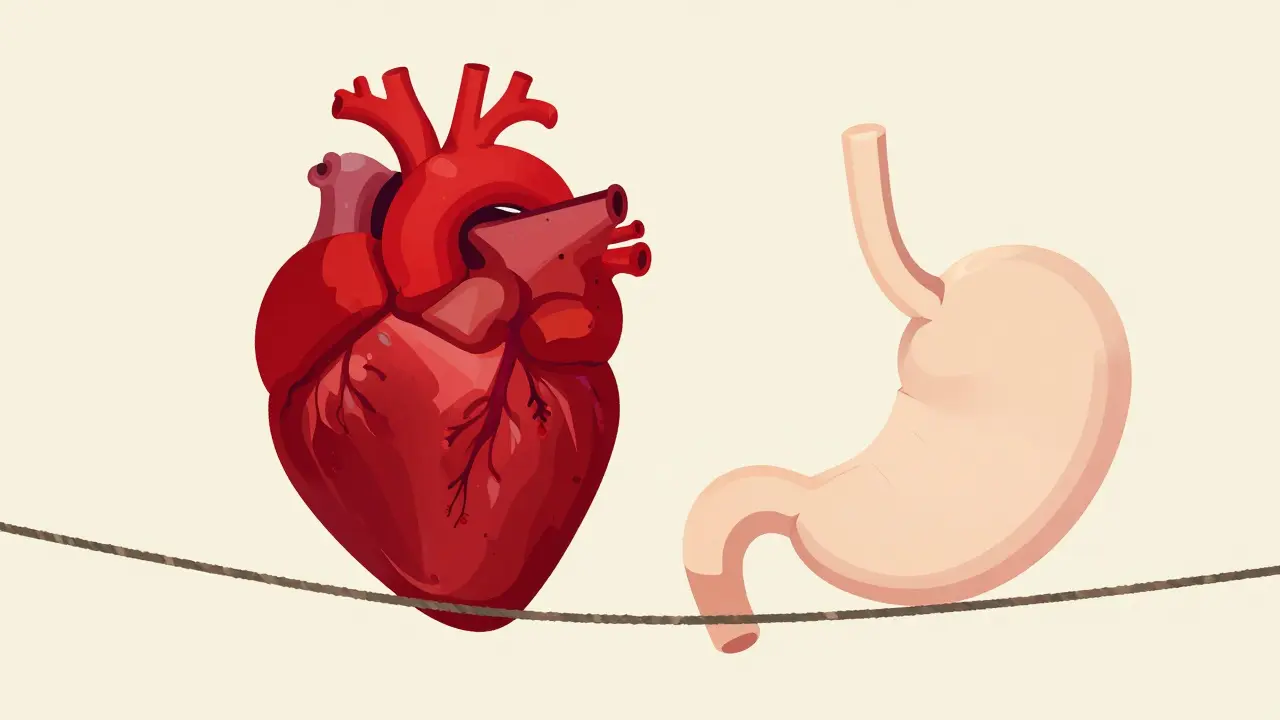
For many, the goal is to maintain a delicate balance. You want the protection against stent thrombosis or a secondary stroke, but you don't want to end up in the emergency room with a gastrointestinal bleed. The good news is that modern medicine has a very effective playbook for managing this risk, provided you and your doctor are on the same page about your specific risk factors.
Understanding Your Medication: Not All Antiplatelets Are Equal
It's a common mistake to think all blood thinners work the same way. In reality, antiplatelet medications are split into two main camps. First, you have the cyclooxygenase inhibitors, with aspirin being the gold standard. Aspirin works by blocking the production of thromboxane A2, a substance that tells platelets to stick together. Because it binds irreversibly, the effect lasts for the entire life of the platelet-about 7 to 10 days.
Then there are the P2Y12 inhibitors. This group includes drugs like clopidogrel, prasugrel, and ticagrelor. These target a different receptor on the platelet. While aspirin is the "classic" choice, these newer agents are often more potent, which is great for someone with a recent stent but tougher on the stomach. For instance, ticagrelor can increase bleeding risks by about 30% compared to clopidogrel. This creates a paradox: the drug that provides the best cardiovascular protection often carries the highest risk of causing a bleed.
The Real Risk: Why Your Gut Is Vulnerable
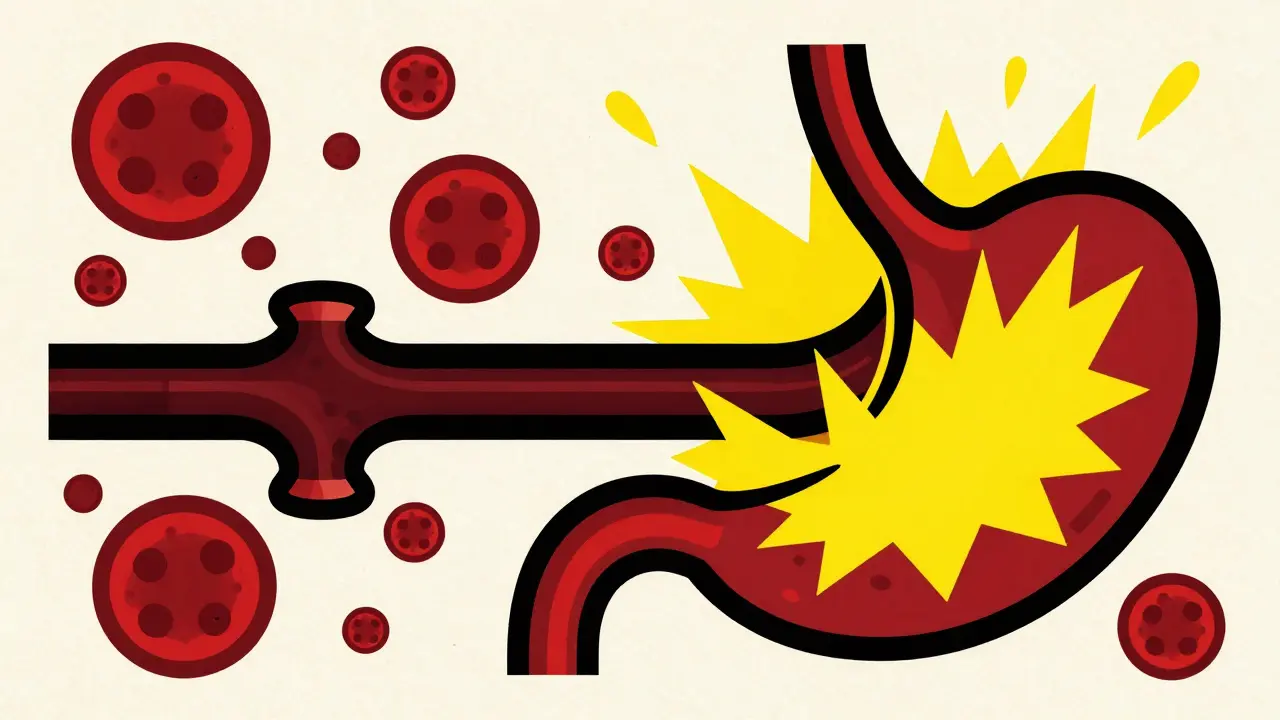
Why does a drug targeting blood clots affect the stomach? It's not just about the bleeding itself; it's about how the stomach heals. clopidogrel and other P2Y12 inhibitors can actually interfere with the release of platelet-derived growth factors. These factors are essential for repairing the gastric mucosa. When you suppress them, a small erosion in your stomach lining takes much longer to heal, or might not heal at all, leading to an open ulcer.
The risk spikes significantly when you're on dual antiplatelet therapy (DAPT). This is when you take both aspirin and a P2Y12 inhibitor. Research shows that DAPT increases your gastrointestinal bleeding risk by 30% to 50% compared to taking just one medication. To put this in perspective, roughly 1% of patients experience an overt gastrointestinal bleed within the first 30 days of starting this combined therapy. If you are over 65 or also taking NSAIDs (like ibuprofen), your risk profile climbs even higher.
| Medication | Type | GI Bleeding Risk | Cardiovascular Power | Key Note |
|---|---|---|---|---|
| Aspirin | COX Inhibitor | Moderate | Standard | Safest for those with prior GI bleeds. |
| Clopidogrel | P2Y12 Inhibitor | High | Strong | Impairs gastric ulcer healing. |
| Ticagrelor | P2Y12 Inhibitor | Very High | Very Strong | Higher risk than clopidogrel (PLATO trial). |
| Prasugrel | P2Y12 Inhibitor | Very High | Very Strong | Potent protection, high bleeding potential. |
Strategies for Gastrointestinal Protection
The most effective way to shield your stomach is through the use of proton pump inhibitors (PPIs). Drugs like esomeprazole or omeprazole work by reducing the amount of acid your stomach produces, which gives the lining a chance to heal and prevents new ulcers from forming. In clinical practice, nearly 90% of gastroenterologists routinely prescribe a PPI for patients on antiplatelets who have a history of ulcers.
If you are considered high-risk-perhaps you're over 65 or have a history of complicated ulcers-your doctor might recommend a more aggressive approach. This often involves starting with high-dose IV PPIs during an active bleed and then transitioning to a daily oral dose. The current guidelines suggest keeping the PPI for at least 8 weeks after an ulcer heals, and in some cases, staying on them indefinitely. One case series showed a 92% ulcer healing rate at 8 weeks when using esomeprazole 40mg daily, even while the patient continued their necessary clopidogrel therapy.
However, there is a point of debate regarding the interaction between PPIs and clopidogrel. Some worry that PPIs might make clopidogrel less effective, potentially increasing the risk of a heart attack. While some observational studies show a slight increase in cardiovascular events, the FDA has noted that the clinical relevance of this interaction is still uncertain. For most patients, the risk of a massive GI bleed is a more immediate threat than the potential slight decrease in clopidogrel's efficacy.
What Happens During an Active Bleed?
If you start vomiting blood or notice black, tarry stools while on these meds, the instinct is to stop all medications immediately. But that can be a dangerous move. Stopping aspirin during a GI bleed doesn't actually stop the bleeding faster, and more worryingly, it can increase your risk of death by up to 25% because your heart is no longer protected. The modern medical consensus is to keep the aspirin going for secondary cardiovascular protection.
P2Y12 inhibitors are handled differently. Because they have a longer-lasting effect, doctors may hold clopidogrel or ticagrelor for 5 to 7 days while the bleeding is controlled, then restart them as soon as it's safe. Another critical point: platelet transfusions. While they seem like an obvious fix for bleeding, evidence suggests they might actually increase mortality in patients on antiplatelets. In one small study, transfused patients had a 27% mortality rate compared to only 12% in those who didn't receive them. This highlights why specialized care from a gastroenterologist and cardiologist is vital.
Risk Assessment and Long-Term Management
To figure out how aggressive your protection needs to be, doctors often use risk stratification tools. One such tool is the AIMS65 score, which looks at five factors: Albumin levels, INR (clotting time), Mental status, Systolic Blood Pressure, and Age (specifically if you're 65 or older). A score of 2 or higher tells your medical team that you're at a higher risk for complications and need a more proactive protection plan.
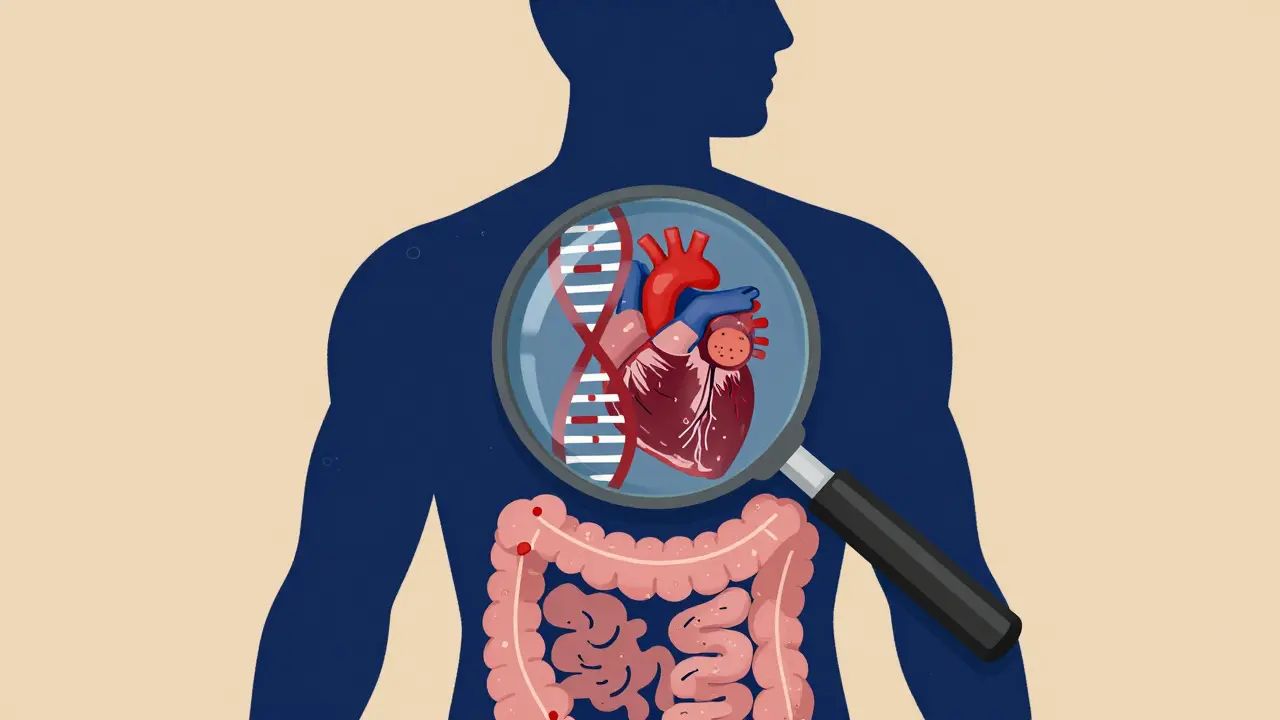
Looking forward, the approach to these medications is becoming more personalized. We are moving toward using genetic testing, specifically CYP2C19 genotyping. This helps doctors identify "non-responders"-people whose bodies don't process clopidogrel efficiently. For these patients, switching to a different agent might provide better heart protection with a different, perhaps more manageable, GI risk profile. There are even new drugs like selatogrel in clinical trials that aim to provide the same clot-fighting power but with 35% less damage to the stomach lining.
Can I just take enteric-coated aspirin to avoid stomach issues?
Enteric coating helps the pill pass through the stomach before dissolving, which can reduce direct irritation to the stomach lining. However, it does not stop the systemic antiplatelet effect. Once the aspirin enters your bloodstream, it still inhibits the proteins that help your stomach lining heal, meaning you are still at risk for GI bleeding.
Should I separate the timing of my PPI and my clopidogrel dose?
Some cardiologists suggest separating the doses by 12 hours to minimize potential interactions. However, there is no definitive clinical consensus on whether this actually improves outcomes. The most important thing is consistency; take your medications as directed by your doctor and don't stop either without a professional consultation.
How long do I need to stay on a PPI if I've had an ulcer?
For patients on antiplatelet therapy, the standard recommendation is to continue PPI therapy for at least 8 weeks after the ulcer is confirmed to have healed. If you have a history of multiple or "complicated" ulcers, your doctor may recommend staying on a PPI indefinitely to prevent a recurrence.
What are the warning signs of a GI bleed?
Watch for "coffee-ground" vomit, stools that look black and tarry (melena), or bright red blood in your stool. Other signs include sudden dizziness, shortness of breath, or severe abdominal pain. If you experience these, contact your doctor immediately or go to the emergency room.
Is DAPT always necessary, or can I switch to monotherapy?
Dual antiplatelet therapy (DAPT) is usually critical for a specific window of time after a stent placement to prevent the stent from clotting. However, the longer you stay on DAPT, the higher the bleeding risk. Depending on your cardiovascular risk versus your bleeding risk, your doctor may eventually move you to aspirin monotherapy, which is generally safer for the gut.
Next Steps and Troubleshooting
If you're currently on antiplatelet therapy and feeling concerned about your stomach, start by reviewing your current meds. Are you taking ibuprofen or naproxen for joint pain? Combining NSAIDs with antiplatelets is a recipe for a GI bleed. Ask your doctor about safer alternatives like acetaminophen.
If you experience side effects from PPIs-which happens to about 15-20% of long-term users-don't just quit the medication. There are different types of PPIs (like switching from omeprazole to pantoprazole) that your body might tolerate better. Always coordinate any changes in your antiplatelet regimen with both your cardiologist and your gastroenterologist to ensure you aren't trading a stomach bleed for a heart attack.
Srikanth Makineni
April 9, 2026 AT 00:16been on clopidogrel for years and never had a stomach issue until i took ibuprofen for a week
GOPESH KUMAR
April 9, 2026 AT 12:34It is truly a cosmic joke that the very tools we use to preserve the heartbeat often erode the vessel that sustains us. We spend our lives chasing longevity only to find ourselves managing a checklist of side effects that make the living feel like a full-time job in pharmacy management. This binary choice between a clot and a bleed is just the medical embodiment of the human condition: everything comes with a price tag. Most people just blindly follow the prescription without realizing they are trading one risk for another in a zero-sum game of biological survival. We pretend we have control, but we're really just sliding a scale back and forth between two different ways to end up in the ER. It's almost poetic how the most potent drugs are the ones that leave us the most fragile. Truly, we are just walking contradictions held together by a PPI and a prayer.
charles mcbride
April 10, 2026 AT 19:04It is great to see such a clear explanation of the risks. Staying positive and working closely with your medical team makes all the difference in the world!
Windy Phillips
April 11, 2026 AT 02:55One would think that the medical community would prioritize the stomach lining more... but alas, the heart always comes first, doesn't it??? It's just so typical!
Danielle Kelley
April 11, 2026 AT 10:18Typical pharma push. They tell you to take a heart med, then tell you that you need a stomach med to stop the heart med from killing you, and then they sell you both! They're just creating a cycle of dependency so you never leave the pharmacy. Wake up people, these 'guidelines' are just a way to maximize profits for the big labs while we turn into chemistry experiments!
Brady Davis
April 12, 2026 AT 03:30Oh wow, a table! I'm absolutely thrilled to know exactly which drug is going to make me bleed out the fastest. Truly the highlight of my day!
Jay Vernon
April 14, 2026 AT 01:57I use a PPI and it helps a lot! 😊 Glad this info is out there for everyone! 👍
Jitesh Mohun
April 15, 2026 AT 16:13listen to the doc and stop taking nsaids right now if youre on these meds its common sense but people still do it and then complain when they bleed
Toby Sirois
April 17, 2026 AT 15:02Honestly it is basic science. If you can't figure out that thinning your blood makes you bleed more, you shouldn't be reading medical posts. I've told my patients this for years and they still act like it's a surprise. Just take the PPI and stop overthinking it.
Ruth Swansburg
April 18, 2026 AT 04:40Stay strong everyone. Your health is a journey. You can do this!
Laurie Iten
April 19, 2026 AT 09:35it makes me think about how we try to control nature with chemicals and the balance is always so fragile
Dhriti Chhabra
April 20, 2026 AT 07:41I believe that a collaborative approach between the cardiologist and gastroenterologist is indeed the most prudent course of action for patient safety.
Timothy Burroughs
April 21, 2026 AT 17:55This is exactly why US medicine is the best in the world because we have the most advanced trials like PLATO while other countries are just guessing
Nikhil Bhatia
April 23, 2026 AT 05:51too much text but the table is okay i guess