
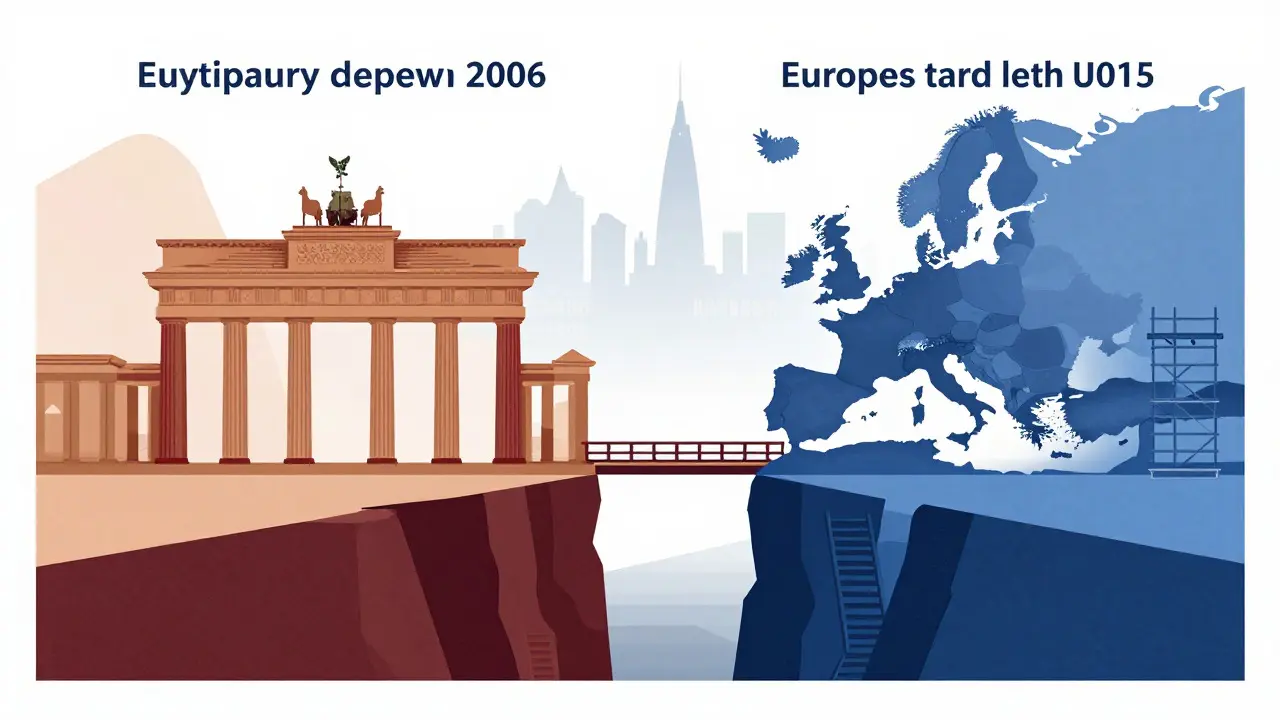
When you go to the pharmacy for a generic version of a simple pill like ibuprofen, it is easy. The molecule is identical to the brand name. But what happens when the drug is a complex biological product made from living cells? This is where biosimilars come in. They are not generics. They are highly similar versions of reference biologic products, with no clinically meaningful differences in safety or potency. Yet, despite this clear definition, the global market for these drugs looks completely different depending on whether you are standing in Berlin or Boston. Europe has been using biosimilars since 2006. The United States only started approving them in earnest after 2015. Why such a massive gap? And more importantly, which market model will win out in the coming decade?
The Core Difference: Biosimilars Are Not Generics
To understand the market split, we first have to nail down what we are talking about. A generic drug is a carbon copy of a small-molecule chemical drug. Think of aspirin or metformin. The structure is simple and stable. You can synthesize it exactly the same way every time. A biologic is different. It is produced in living cell lines-often bacteria, yeast, or mammalian cells. Because living systems vary, the resulting protein molecules have slight natural variations. You cannot make an exact copy. You can only make a product that is "highly similar" to the original.
This distinction matters because it changes how regulators approve them. The European Medicines Agency (EMA) approved the world's first biosimilar, Omnitrope (somatropin), in 2006. They used a "totality-of-evidence" approach. This means they looked at analytical data, animal studies, and limited clinical trials to prove similarity. The Food and Drug Administration (FDA) in the US waited until 2009 to create a legal pathway via the Biologics Price Competition and Innovation Act (BPCIA). Even then, the first US biosimilar, Zarxio, didn't hit the market until March 2015. That nine-year delay created a cultural and regulatory divide that still affects pricing and adoption today.
| Feature | Generic Drugs | Biosimilars |
|---|---|---|
| Source Material | Synthetic chemistry | Living cell cultures |
| Molecular Complexity | Low (small molecules) | High (large proteins) |
| Regulatory Standard | Identical to reference | Highly similar; no clinically meaningful differences |
| Approval Pathway | Abbreviated New Drug Application (ANDA) | Biologics License Application (BLA) / Variation |
| Substitution | Automatic in most pharmacies | Varies by region; often requires prescriber approval |
Europe’s Mature Ecosystem: The Early Adopter Advantage
Europe didn't just get there first; they built a system designed to push biosimilars into hospitals quickly. By 2024, the European biosimilar market was valued between USD 9.9 billion and USD 13.16 billion, depending on who you ask. Grand View Research reported the lower figure, while Precedence Research cited the higher one. Regardless of the specific number, the growth trajectory is clear. The market grew at a compound annual growth rate (CAGR) of 13% from 2020 to 2024. What drove this? Policy.
Countries like Germany, France, and the UK implemented structured pricing and substitution policies early on. In many European hospitals, procurement teams run tenders specifically for biosimilars. If a hospital wants to save money on oncology or rheumatology treatments, they switch to the biosimilar version. Dr. Marc Grégoire, Chief Commercial Officer at Fresenius Kabi, noted that these mandatory substitution policies created ideal conditions for rapid uptake. Physicians became familiar with the drugs because their payers pushed them. Patients accepted them because the cost savings were passed down or protected the healthcare system's budget. It was a virtuous cycle.
Germany stands out as a manufacturing powerhouse. Its strategic position in the value chain attracts global developers. Companies like Sandoz (Novartis) and Fresenius Kabi dominate the landscape. In therapeutic areas like rheumatoid arthritis, some European countries see biosimilars capturing over 80% of the market share for certain indications. This isn't accidental. It is the result of a centralized approval process by the EMA followed by national reimbursement decisions that prioritize cost-effectiveness.
The US Market: From Void to Velocity
If Europe is the mature adult, the US market was the rebellious teenager for a long time. For years, analysts called it the "biosimilar void." Despite having the largest biologics market in the world, the US launched only 12 biosimilars by 2024, compared to over 100 in Europe. Why? Two main barriers: patent thickets and the "patent dance." The BPCIA created a complex legal framework for exchanging patent information between originator companies and biosimilar developers. Originator companies used this to file lawsuits, delaying launches for years. Additionally, the FDA initially required extensive clinical trials and switching studies to grant "interchangeable" status. This meant pharmacists couldn't automatically substitute a biosimilar for the reference product without the doctor's permission. Doctors, wary of liability, rarely prescribed them unless necessary.
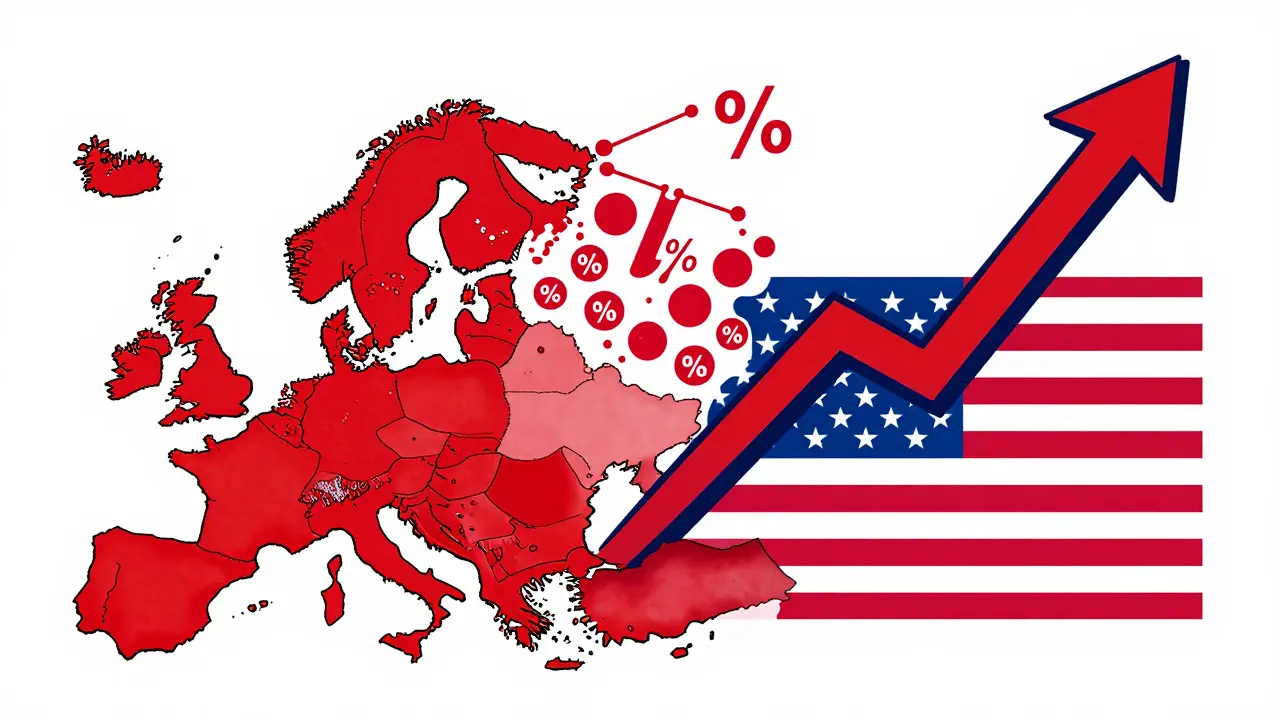
But things changed fast. In June 2024, the FDA proposed new guidelines eliminating the requirement for switching studies to achieve interchangeable designation. This was a massive shift. It aligned the US closer to the European model. At the same time, the Inflation Reduction Act of 2022 eliminated the Medicare Part D coverage gap and provided incentives for biosimilar adoption. The result? The US market reached USD 10.9 billion in 2024, growing at an 11% CAGR since 2020. More importantly, the future looks explosive. IMARC Group projects the US market will grow to USD 30.2 billion by 2033 at a CAGR of 18.5%. North America is expected to lead regional market revenue by 2027, reaching USD 17.2 billion according to Grand View Research.
Head-to-Head: Regulatory and Market Dynamics
So, how do these two giants compare right now? Let's look at the numbers and the mechanics.
| Metric | Europe | United States |
|---|---|---|
| Market Size (2024) | USD 9.9B - 13.2B | USD 10.9B (Alira Health) |
| First Approval Year | 2006 (EMA) | 2015 (FDA) |
| Total Approved Products | Over 100 | Over 20 (as of 2025) |
| Primary Growth Driver | Hospital tenders & substitution laws | Patent expirations & IRA incentives |
| Projected CAGR (2025-2034) | 17.34% | 17.50% - 18.5% |
| Key Therapeutic Focus | Oncology, Rheumatology | Supportive care, expanding to Oncology |
The US has a distinct advantage in potential volume. There are 118 high-revenue biologics expected to lose patent protection between 2025 and 2034, representing a $232 billion opportunity according to IQVIA. The Humira (adalimumab) patent cliff is the prime example. Fourteen Humira biosimilars were approved in the US by 2024, though only six were commercially available due to settlement agreements. As these legal battles settle, the floodgates will open. Europe, meanwhile, continues to refine its supply chains and expand into next-generation complex biologics. Germany remains the manufacturing hub, but the US is catching up in production capacity.
What This Means for Healthcare Costs
Why should you care about this transatlantic race? Because it directly impacts your wallet and the sustainability of healthcare systems. Biosimilars typically launch at a 15-30% discount compared to reference products. In Europe, aggressive tendering has sometimes driven discounts even higher. In the US, discounts have historically been smaller due to lack of competition, but this is changing. With the FDA's new interchangeability rules, pharmacists may soon be able to swap biosimilars for originators automatically, driving prices down through competition.
Dr. Sarah Toner of the IQVIA Institute highlights that the Inflation Reduction Act's incentives are crucial here. By removing the coverage gap for Medicare patients, the government encourages the use of lower-cost alternatives. If the US can replicate Europe's physician familiarity and patient acceptance, we could see significant savings across oncology, immunology, and endocrinology. These are the areas where biologics represent the largest treatment expenditures. The global market is projected to reach anywhere from USD 72 billion to USD 175 billion by the mid-2030s, depending on the forecast model. That is a lot of capital being redirected from drug costs to other parts of the health system.
Future Outlook: Convergence and Challenges
We are seeing a convergence in regulatory approaches. The FDA's move away from switching study requirements signals trust in the totality-of-evidence model used by the EMA. However, challenges remain. Manufacturing complex biologics is difficult. Next-generation molecules, like bispecific antibodies, pose new questions for similarity assessments. Both regions need to invest in education. Physicians and patients still harbor misconceptions about biosimilar safety. Dr. Michael Reilly of Alira Health points out that Europe's success relied heavily on communication strategies to build trust. The US must do the same.
By 2027, North America is projected to overtake Europe in total market revenue. But Europe will likely retain its edge in market share penetration for specific indications. The US will win on sheer volume and value due to the size of its biologics market. For patients, the bottom line is positive: more choices, lower costs, and continued access to life-saving therapies. The era of the "biosimilar void" is over. We are entering an era of biosimilar abundance.
Are biosimilars the same as generic drugs?
No. Generic drugs are identical copies of small-molecule chemical drugs. Biosimilars are highly similar versions of complex biologic products made from living cells. Because living systems vary, biosimilars cannot be exact copies, but they must show no clinically meaningful differences in safety, purity, or potency compared to the reference product.
Why did the US take so long to adopt biosimilars compared to Europe?
The US faced significant barriers including complex patent litigation known as the "patent dance," stricter initial FDA requirements for clinical trials and switching studies, and a lack of automatic substitution policies in pharmacies. Europe established a clear regulatory pathway in 2006 and implemented hospital tender systems that encouraged rapid adoption.
What changed in the US biosimilar market in 2024?
In June 2024, the FDA proposed new guidelines eliminating the requirement for switching studies to achieve interchangeable designation. This removes a major barrier to pharmacist-led substitution. Additionally, the Inflation Reduction Act of 2022 began providing financial incentives for biosimilar adoption, accelerating market growth.
Which region has a larger biosimilar market today?
As of 2024, the markets are comparable in size, with Europe estimated between USD 9.9 billion and USD 13.2 billion, and the US at approximately USD 10.9 billion. However, North America is projected to surpass Europe in total market revenue by 2027 due to faster growth rates and a larger pool of biologics losing patent protection.
How much cheaper are biosimilars than reference biologics?
Biosimilars typically launch at a 15-30% discount compared to reference products. In Europe, competitive hospital tenders have sometimes driven discounts even higher. In the US, discounts have historically been lower due to limited competition, but this is expected to change as more biosimilars enter the market and gain interchangeable status.
What is the "patent dance" in biosimilars?
The "patent dance" is a complex legal process mandated by the Biologics Price Competition and Innovation Act (BPCIA) in the US. It requires biosimilar developers and originator companies to exchange patent information. Originator companies often use this process to file lawsuits, delaying the market entry of biosimilars for years while litigation proceeds.
Which therapeutic areas have the highest biosimilar adoption?
Europe leads in oncology and rheumatology, with some countries seeing over 80% market share for biosimilars in these areas. The US initially saw stronger adoption in supportive care products like filgrastim but is rapidly expanding into oncology and immunology as major patents expire.
Who are the key players in the biosimilar market?
In Europe, key companies include Sandoz (Novartis), Fresenius Kabi, and Amgen. In the US, major players include Pfizer, Merck, and Samsung Bioepis. The landscape is dynamic, with many pharmaceutical companies launching dedicated biosimilar divisions to capture market share as patents expire.