
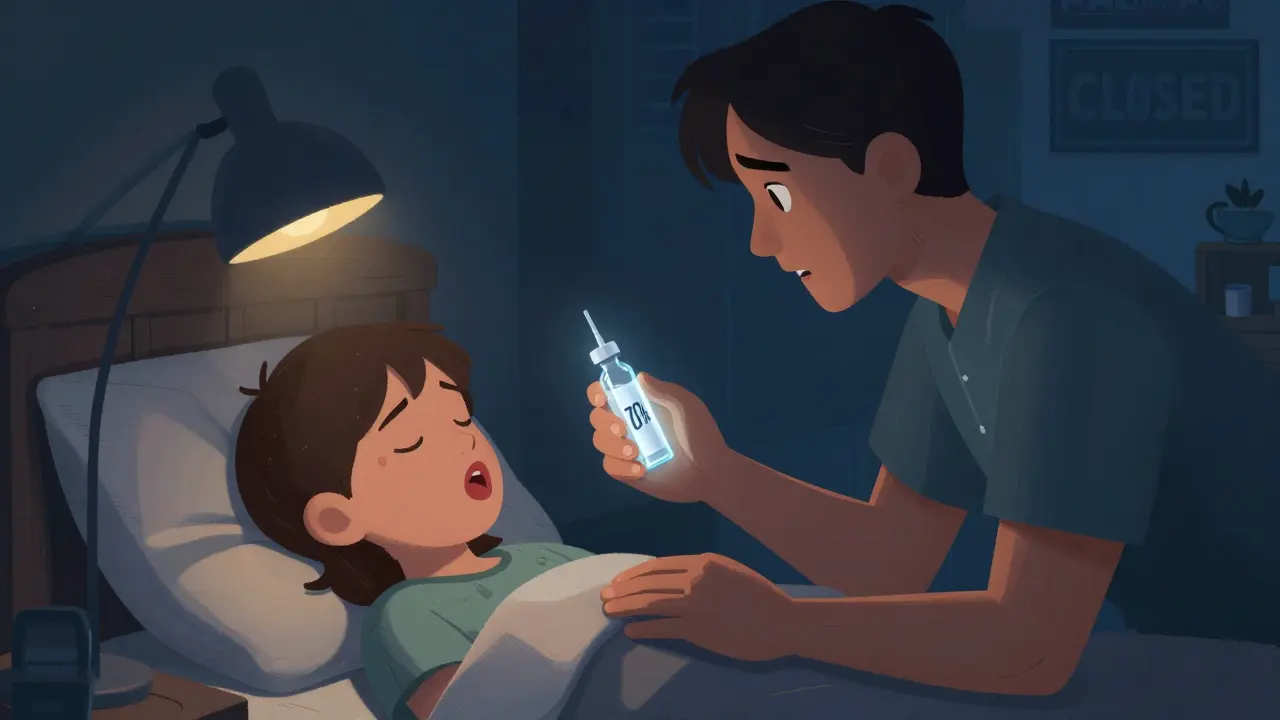
When your last epinephrine auto-injector is three months past its expiration date and your child is having an allergic reaction, do you use it? What if your asthma inhaler is a year old and your breathing is failing? These aren’t hypotheticals-they’re real choices people make during emergencies, especially when pharmacies are empty and hospitals are overwhelmed.
Most people assume expired meds are dangerous, maybe even poisonous. But the truth is more complicated. The vast majority of medications don’t turn toxic after their expiration date. They just lose strength. And in a crisis, that reduced potency might be better than nothing at all.
What expiration dates really mean
Expiration dates aren’t "use-by" dates like milk. They’re manufacturer guarantees. The FDA requires drugmakers to test how long their products stay at full potency under normal storage conditions. Once that date passes, the company can no longer promise 100% effectiveness. But that doesn’t mean the drug suddenly stops working.
The FDA’s Shelf Life Extension Program (SLEP), started in 1985 with the Department of Defense, tested over 100 drugs stored under ideal conditions. Results? About 90% of them still had at least 90% of their original potency up to 15 years past expiration. Military stockpiles of antibiotics, painkillers, and heart meds have been used successfully for decades after their printed dates.
Why do companies put conservative dates on bottles? Liability. If a patient gets sick and claims the drug was expired, the manufacturer wants legal protection. It’s not about science-it’s about lawsuits.
Which drugs are risky? Which are fine?
Not all expired medications are created equal. Some degrade safely. Others degrade dangerously.
High-risk: Never use expired
- Epinephrine a life-saving injection for anaphylaxis: Loses about 25% of its potency each year after expiration. But even at 70% strength, it can still reverse a severe allergic reaction. Still, if you have a choice, use a fresh one.
- Insulin a hormone critical for blood sugar control: Degrades unpredictably. A 2023 FDA warning found some insulin glargine lost 35% potency after just six months past expiration-enough to trigger diabetic ketoacidosis.
- Nitroglycerin used for angina and heart attacks: Breaks down fast when exposed to light or heat. If it’s not clear and odorless, it’s probably useless.
- Tetracycline antibiotics a class of broad-spectrum antibiotics: Can break down into toxic compounds that damage kidneys. Never use past expiration.
Moderate-risk: Use only in true emergencies
- Warfarin a blood thinner: Even a 10% drop in potency can mean the difference between a deadly clot and a dangerous bleed.
- Seizure medications like phenytoin or valproic acid: A 15% loss in strength raises seizure risk by 35%, according to the Epilepsy Foundation.
- Thyroid meds like levothyroxine: A 20% drop can push TSH levels out of range, causing fatigue, weight gain, or heart issues.
Low-risk: Usually safe to use
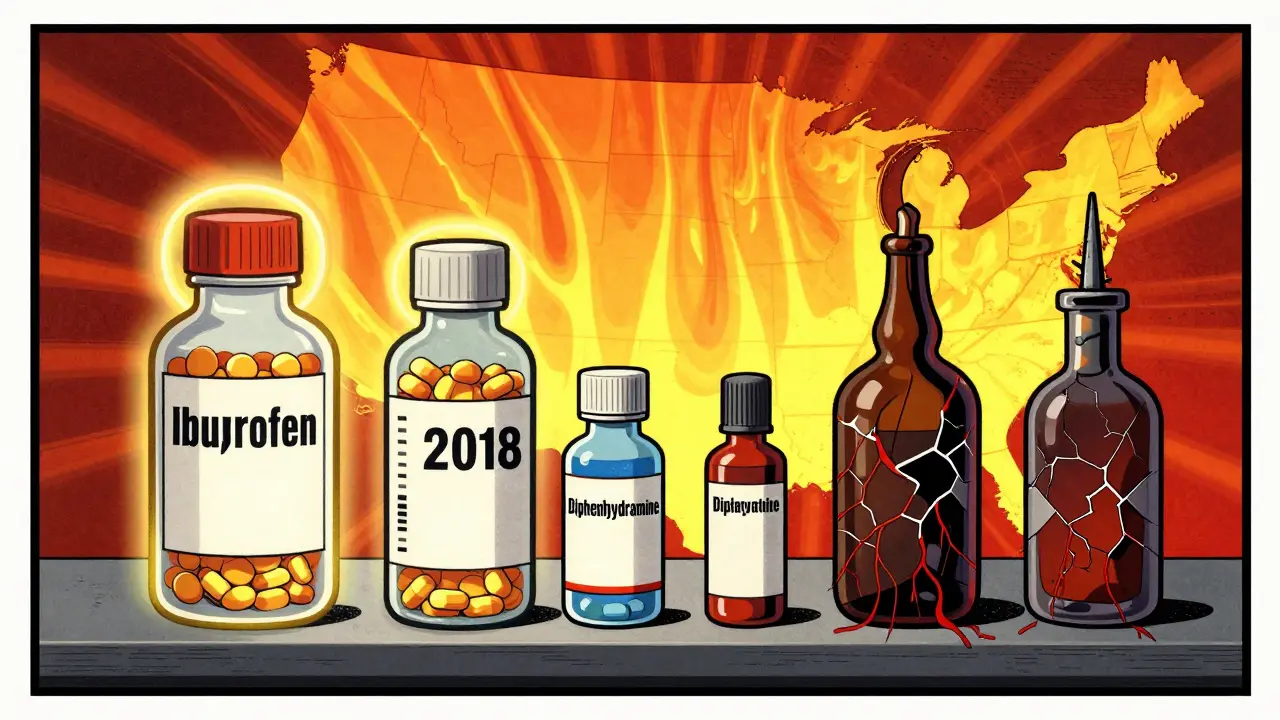
- Ibuprofen a common NSAID pain reliever: University of Utah studies show it retains 85-90% potency for 4-5 years past expiration.
- Acetaminophen a pain and fever reducer: Stable as a rock. Even 10-year-old tablets often work fine.
- Diphenhydramine an antihistamine: Used for allergies or sleep. Holds up well in dry, cool places.
Storage matters more than the date
Your medicine’s fate isn’t decided by a stamp on the bottle. It’s decided by where it’s been stored.
Heat is the enemy. The International Pharmaceutical Federation found that keeping meds above 30°C (86°F) makes them degrade 2-3 times faster. Sunlight? Worse. Nitroglycerin loses 15-25% of its strength every month if exposed to light. Moisture? It turns pills into mush.
Solid forms-tablets and capsules-last longer than liquids. Eye drops, syrups, and injectables break down faster because they’re exposed to air and bacteria. A 2021 study from the University of Southern California showed tablets kept at 25°C and 60% humidity held 95% potency for 5-10 years after expiration. Liquids? They were down to 60% by year three.
If you’re keeping meds for emergencies, store them in a cool, dry drawer-not the bathroom or the car. A sealed container in the fridge (not the freezer) can extend shelf life for sensitive drugs like insulin or epinephrine.
When do EMS and hospitals use expired meds?
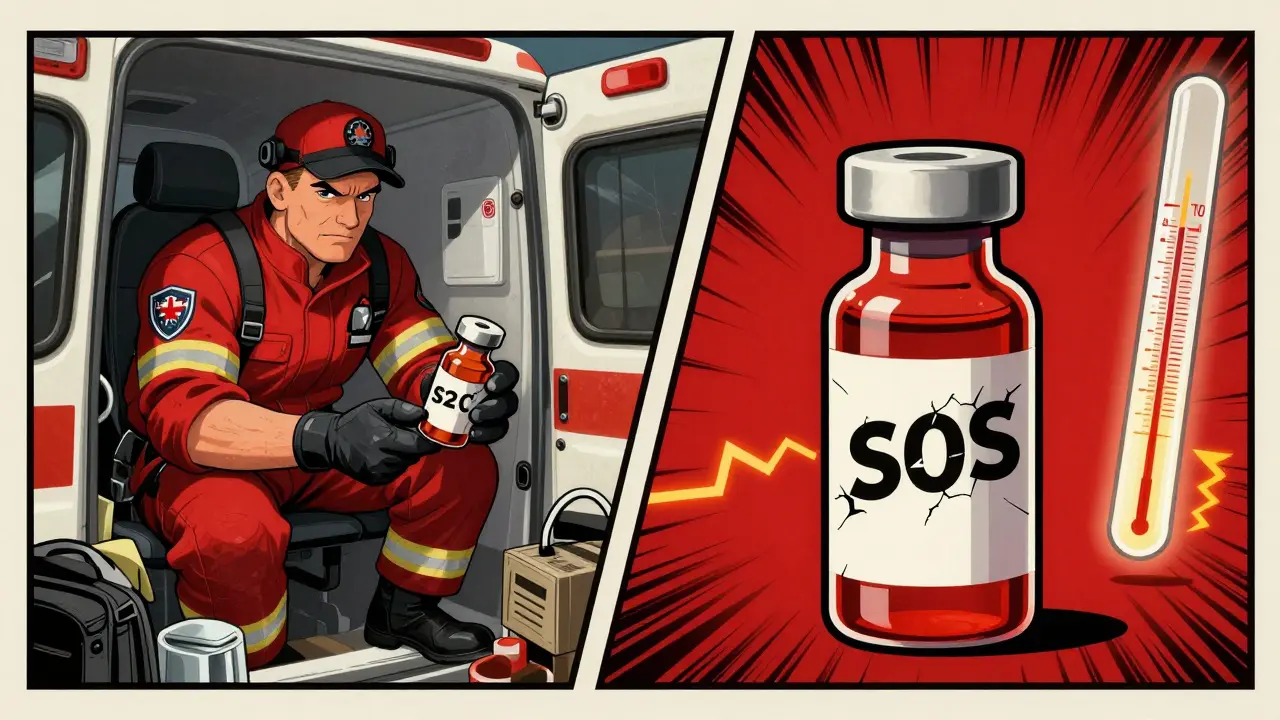
During the 2021-2022 fentanyl shortage, 67% of U.S. EMS agencies started using expired epinephrine and naloxone. Why? Because people were dying, and new supplies weren’t coming.
The Denver Metro EMS Medical Directors set clear rules in 2022: expired meds can be used only when:
- No non-expired supply is available
- The condition is life-threatening
- There’s no safe alternative
- The medication passes visual inspection (no discoloration, cloudiness, or particles)
They also require staff to log storage temperature, expiration date, and patient outcome. That’s not bureaucracy-it’s safety.
One paramedic on Reddit described using a 3-month expired EpiPen on a child in anaphylactic shock. The reaction reversed. The kid was fine. They still took them to the ER, just in case. That’s the standard: use it if needed, then get proper care.
What about home use?
A 2023 Pharmacy Times survey found 74% of Americans keep at least one expired medication at home. Over 40% admit they’ve used one in an emergency.
Most of those cases involved pain relievers or antihistamines. Few people risk expired insulin or seizure meds at home. And for good reason.
But here’s the problem: seniors often can’t afford to replace meds. A 2022 Home Helpers survey found 68% of older adults used expired drugs. 22% said their chronic condition got worse because the medicine didn’t work.
That’s the hidden cost of drug shortages. People aren’t being reckless-they’re desperate.
How to assess an expired drug safely
If you’re considering using an expired medication, ask yourself these questions:
- Is this a life-saving drug? (Epinephrine, insulin, nitroglycerin?) If yes, avoid unless absolutely no other option exists.
- What does it look like? Cloudy liquid? Discolored tablet? Crumbling capsule? Throw it out.
- How long has it been expired? One year? Five? Ten? The longer, the higher the risk.
- Was it stored well? Cool, dark, dry? If it sat in a hot car or a humid bathroom, assume it’s weak.
- Is there a replacement? Call a pharmacy. Ask if they have a backstock. Check with local clinics or EMS.
There’s no home test for potency. But you can check for obvious signs of decay. If it looks wrong, it probably is.
The future: smarter expiration dates
Researchers are working on ways to make expiration dates more accurate. The University of Florida is testing portable Raman spectroscopy devices that can scan a pill and tell you its actual potency in seconds. Imagine an EMS crew pulling out a handheld scanner and knowing instantly if their last epinephrine vial is still usable.
Some experts predict dynamic expiration dates within five years-dates that change based on real-time storage conditions. A fridge-stored vial might say "Use by 2027," while one left in a glovebox says "Use by 2024."
But for now, the FDA’s official stance remains firm: expiration dates are for safety. Commissioner Robert Califf says using expired meds is risky. And he’s right-if you’re not in an emergency, don’t do it.
But if you’re in a crisis, with no other options, and the drug looks clean and was stored right? Many experts agree: better to use it than to lose someone because you didn’t.
Bottom line
Expired meds aren’t poison. They’re weakened tools. In an emergency, a 70% effective epinephrine shot is better than a 0% one. A 60% effective albuterol inhaler might keep someone breathing until help arrives.
But this isn’t a license to ignore dates. It’s a reminder: store your meds well. Replace them when you can. And if you’re ever in a true emergency with no other choice? Use your judgment. Check the appearance. Know the risks. And get professional help as soon as you can.
Medicines are meant to save lives. Sometimes, even past their date, they still can.
Kal Lambert
March 18, 2026 AT 00:32Storage matters more than the date. Mine was in a cool drawer. Not in a hot car.
Srividhya Srinivasan
March 19, 2026 AT 11:05Emily Hager
March 19, 2026 AT 21:35Prathamesh Ghodke
March 20, 2026 AT 00:37cara s
March 21, 2026 AT 20:16Stephen Habegger
March 23, 2026 AT 14:53Kendrick Heyward
March 23, 2026 AT 18:00Kal Lambert
March 25, 2026 AT 11:06Ryan Voeltner
March 26, 2026 AT 22:14Linda Olsson
March 27, 2026 AT 23:19