
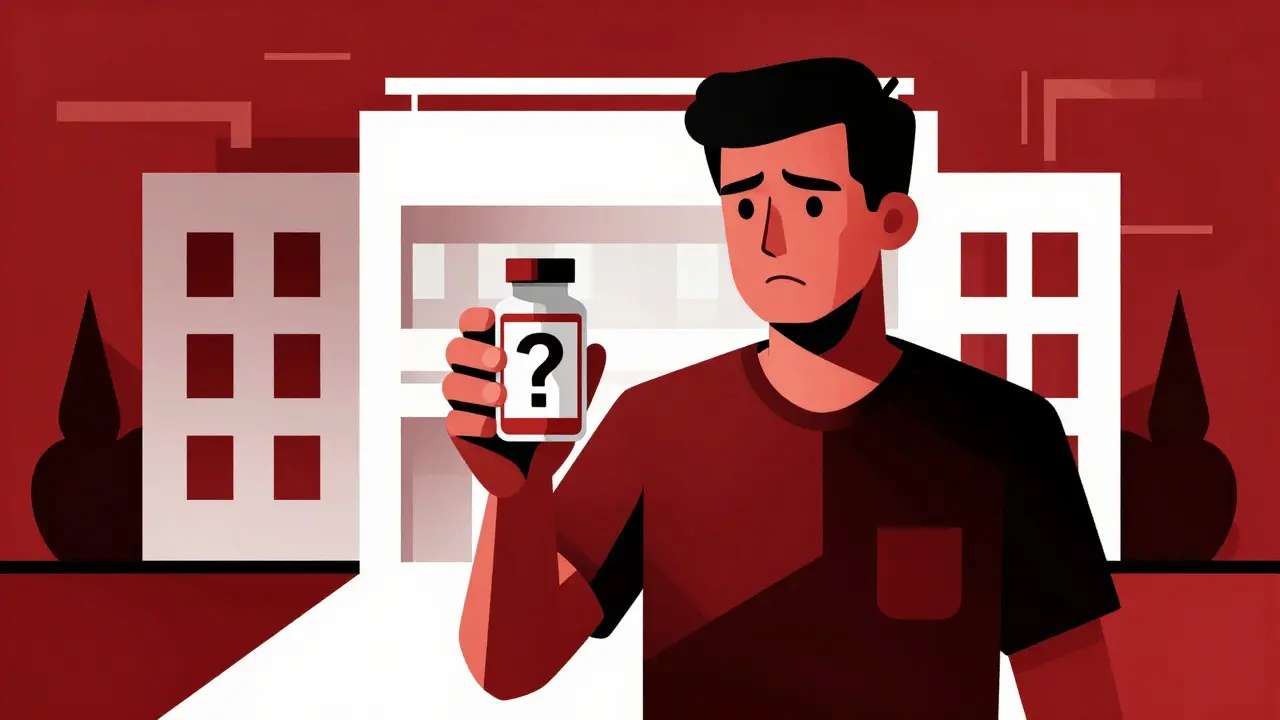
Have you ever left your doctor’s office with a prescription that felt slightly off? Maybe the dosage looked too high, the pill color was different from last time, or you experienced a strange side effect within hours. That gut feeling matters. In fact, medication safety reporting is not just bureaucratic red tape; it is the single most effective tool we have for catching errors before they cause permanent harm.
According to the Institute for Safe Medication Practices (ISMP), internal clinic reporting systems act as the first line of defense in healthcare. A 2022 study published in the *Journal of Patient Safety* found that 87% of preventable adverse drug events are identified through frontline staff and patient reporting before they escalate into serious incidents. When you speak up, you aren't just complaining; you are triggering a safety net that protects you and future patients.
Why Internal Reporting Beats External Complaints
Many people assume that if something goes wrong with their medication, they should call the FDA or file a complaint with a state board immediately. While those channels exist, they are often slow and focused on regulatory enforcement rather than immediate care correction. The goal of reporting to your clinic is risk mitigation.
Think of it this way: If you see a pothole on your street, calling the city council might get it fixed eventually. But telling your neighbor to put down a cone stops someone from crashing their car tonight. Clinic-level reporting focuses on process improvement. Facilities with robust internal reporting systems reduce medication errors by 32.7% within 18 months, according to a 2021 analysis by the ECRI Institute. This happens because the feedback loop is tight. Your concern goes directly to the team managing your care, allowing them to adjust protocols, check inventory, or retrain staff almost instantly.
Should I report to the FDA or my doctor first?
Always report to your clinic or prescribing physician first. They can immediately address your specific health needs and correct any ongoing issues. FDA MedWatch is better suited for reporting widespread product defects or rare side effects that may not be linked to a specific clinic's workflow.
Understanding What Constitutes a "Safety Concern"
You don't need to be a pharmacist to identify a potential issue. A medication safety concern isn't limited to a fatal overdose. It covers a wide spectrum of errors, categorized by the National Coordinating Council for Medication Error Reporting and Prevention (NCC MERP) Index. This index uses a 9-point scale, ranging from Category A (circumstances that could cause an error but didn't) to Category I (error resulted in patient death).
Common examples include:
- Look-alike/Sound-alike confusion: You were prescribed Lisinopril, but the pharmacy dispensed Losartan. Both treat blood pressure, but they work differently.
- Dosing discrepancies: The label says "take one tablet daily," but your previous prescription was "half a tablet daily."
- Administration timing: A nurse administered your insulin after breakfast instead of before, affecting your blood sugar control.
- Packaging anomalies: The bottle cap wasn't sealed, or the expiration date was unclear.
- Near-misses: You noticed the technician reached for the wrong box but caught it before handing it to you.
Even near-misses are valuable data points. They reveal systemic flaws-like confusing labeling or poor lighting in the dispensing area-that could lead to a real error next time.
Preparing Your Report: What Information to Gather
To ensure your report leads to action, you need to provide clear, factual details. Emotions are valid, but facts drive change. Before you approach the front desk or log into your patient portal, gather the following information:
- Patient Identifiers: Have your medical record number and date of birth ready. This ensures the report is attached to the correct chart.
- Medication Details: Write down the exact name, dose (e.g., 10mg), route (oral, injection), and frequency. If possible, take a photo of the medication packaging and the prescription label.
- Timeline: Note when the medication was prescribed, when it was administered or picked up, and when you noticed the discrepancy.
- Description of the Event: Describe what happened objectively. Instead of saying "The nurse was careless," say "The nurse administered the medication at 2 PM instead of the scheduled 8 AM time."
- Contributing Factors: Did you experience distractions? Was the handwriting illegible? Were two medications with similar names stored next to each other?
- Patient Outcomes: Did you experience symptoms? If so, list them (e.g., dizziness, rash, nausea). If no harm occurred, state that clearly.
The more specific you are, the easier it is for the clinic’s safety officer to perform a root cause analysis. Vague complaints are harder to investigate and less likely to result in systemic changes.

Channels for Reporting: How to Submit Your Concern
Most clinics offer multiple ways to report safety concerns. According to the American Medical Association’s 2023 Medication Safety Report, 83% of clinics accept reports via front desk staff, 76% through nursing stations, and 68% via online patient portals. Here is how to navigate these options:
1. Verbal Reporting (Front Desk or Nursing Station)
This is the fastest method for urgent issues. Approach the staff calmly and state that you want to file a "patient safety incident report." Ask to speak with the charge nurse or the clinic manager if the initial staff member seems unsure. Verbal reports typically take 5-8 minutes to document. Ensure they acknowledge receipt and provide you with a reference number if available.
2. Electronic Patient Portals
If your clinic uses an electronic health record (EHR) system like Epic or Cerner, you may have access to a secure messaging feature or a dedicated safety reporting module. This allows you to upload photos of prescriptions and write detailed accounts without interruption. Electronic reports create an automatic audit trail, which helps prevent the concern from being overlooked.
3. Dedicated Hotlines or Email
Some larger health systems have dedicated patient safety hotlines. Check your clinic’s website or your appointment confirmation emails for contact information. These lines are often monitored by trained safety officers who understand the nuances of medication errors.
The Role of Culture: Why Some Clinics Listen Better
Not all clinics respond equally well to reports. Research shows that organizations with a "just culture"-where staff are encouraged to report errors without fear of punishment-see 4.7 times more reports than punitive environments. Dr. Michael Cohen, President Emeritus of ISMP, notes that blame-free cultures create richer data for system improvement.
If you feel dismissed, it might be due to "reporting fatigue." Dr. Robert Wachter warns that over-reliance on incident reporting without systematic analysis can lead staff to believe their efforts make no difference. However, clinics with designated "physician champions" for safety reporting see 3.2 times higher engagement rates. Look for signs of a proactive culture: Do they thank you for reporting? Do they explain what changes they made based on your feedback? Mayo Clinic’s "Speak Up" program, for example, increased patient-reported concerns by 210% while reducing actual errors by 37% through immediate process adjustments.
What Happens After You Report?
Once submitted, your report enters a structured workflow. Most clinics require reports to be completed within 24 hours of discovery, with follow-up analysis mandated within 72 hours. Here is the typical lifecycle of your report:
- Acknowledgment: The clinic acknowledges receipt, often within 2 hours for digital submissions.
- Triage: A safety officer categorizes the error using the NCC MERP Index to determine severity.
- Root Cause Analysis (RCA): For serious events, a team investigates why the error occurred. Was it a system flaw, a training gap, or a human factor?
- Action Plan: The clinic implements changes, such as updating EHR alerts, rearranging medication storage, or providing additional staff training.
- Feedback: Ideally, the clinic informs you of the outcome. Studies show that 74% of patients appreciate follow-up explanations, compared to only 26% satisfaction when no feedback is given.
If you haven’t heard back within 72 hours, it is perfectly reasonable to follow up. Persistence demonstrates that you value transparency and accountability.
Legal Protections and Confidentiality
One common fear is that reporting an error will lead to legal trouble for the provider or affect your insurance. The Patient Safety and Quality Improvement Act (PSQIA) of 2005 provides federal protections for information reported to Patient Safety Organizations (PSOs). This means that internal reports are generally confidential and cannot be used against providers in malpractice lawsuits, encouraging honest disclosure.
For patients, this confidentiality also works in your favor. Your identity is protected in aggregate data analyses, though your specific case will be reviewed individually to ensure your care is corrected. State laws vary; for instance, California mandates internal error logs subject to Board of Pharmacy inspection, while Texas requires immediate reporting of serious errors to the Medical Board. Understanding these frameworks can help you advocate for yourself effectively.
Overcoming Common Barriers
Despite best efforts, barriers exist. A 2023 OIG report found that 37% of clinics still use paper-based reporting systems, leading to average analysis delays of 14.7 days. If your clinic seems slow, consider escalating your concern to the Patient Safety Officer-a role mandated in 100% of accredited facilities since 2020.
Another barrier is staff resistance. In 31% of clinics, staff may initially deflect concerns. To overcome this, remain calm and factual. Use phrases like, "I want to help improve safety for everyone," rather than "You made a mistake." Framing the conversation around shared goals reduces defensiveness and opens the door to collaboration.
Future Trends: Integrated Reporting Ecosystems
The landscape of medication safety is evolving. The 21st Century Cures Act’s Interoperability Rule, effective April 2024, requires certified EHRs to include standardized medication error reporting fields using HL7 FHIR standards. This enables automatic transmission of safety data to both internal systems and external databases like the FDA’s FAERS. By 2027, AHRQ projects that 95% of U.S. clinics will have interoperable safety reporting systems, driven by regulatory requirements and demonstrated safety improvements.
Emerging technologies, such as AI-assisted root cause analysis and real-time mobile app reporting, are making it easier than ever to flag concerns. As CMS proposes tying Medicare payments to patient-reported safety concerns, clinics have a financial incentive to listen. Your voice is becoming a critical metric in healthcare quality.
Will reporting a medication error affect my relationship with my doctor?
In a healthy practice, reporting an error should strengthen trust by showing that your doctor values accuracy and your well-being. Most physicians appreciate the opportunity to correct mistakes and improve their processes. If a doctor reacts defensively, it may indicate a cultural issue within the practice worth considering for future care decisions.
What if the clinic ignores my report?
If you receive no response within 72 hours, request to speak with the Patient Safety Officer or clinic manager. If the issue remains unresolved, you can escalate to the hospital’s patient advocacy department or file a report with your state’s medical board or the FDA MedWatch program.
Can I report anonymously?
While many systems allow anonymous reporting, providing your contact information is recommended. It allows the safety team to ask clarifying questions and, more importantly, to follow up with you regarding corrective actions taken for your specific case.
How soon should I report a concern?
Report immediately upon discovery. Same-day reporting enables more accurate root cause analysis, as memories are fresh and evidence (like packaging) is still available. Delays can obscure critical details needed to prevent future errors.
Does reporting cost me anything?
No. Reporting a medication safety concern is free. It is part of the standard of care and quality improvement processes required by accrediting bodies like The Joint Commission.