
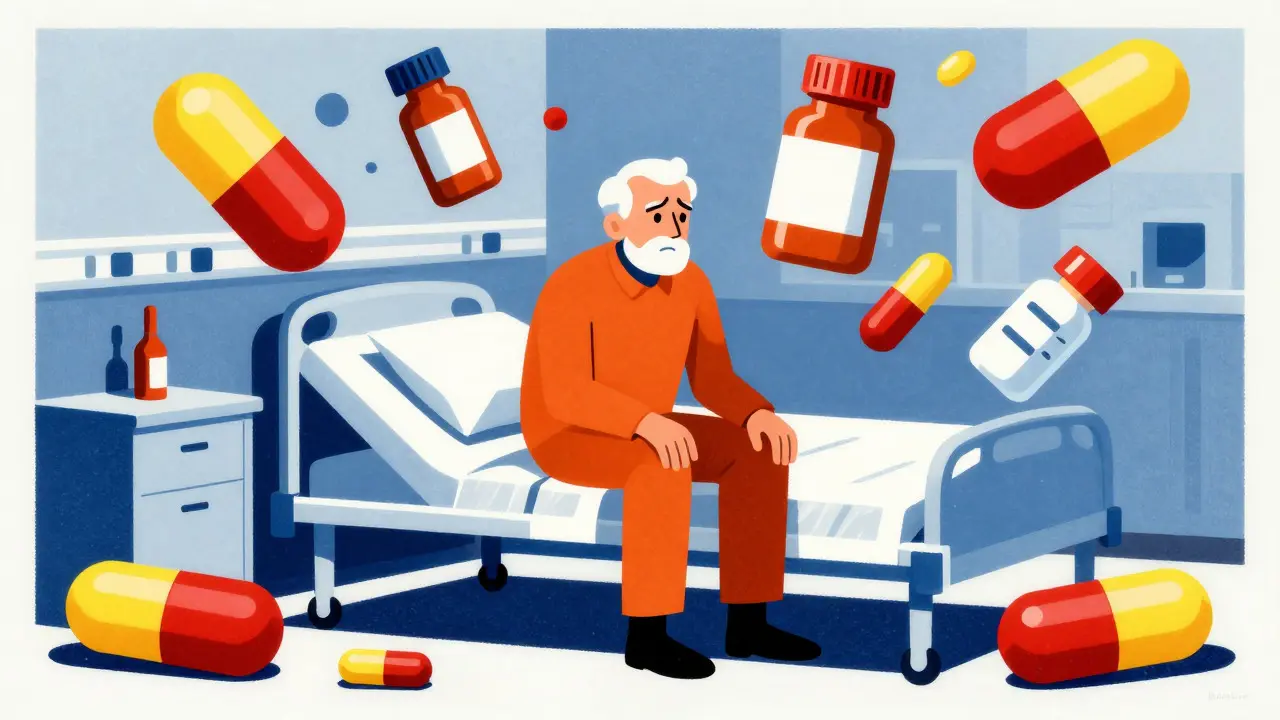
Imagine waking up in your own bed after a stressful hospital stay, only to realize you have no idea which pills to take, when, or why. You’re not alone. For many seniors, the shift from hospital to home is where things go wrong. In fact, research shows that medication errors during this transition are so common that one in five patients experiences a mistake within just three weeks of going home. These aren’t just minor mix-ups; they can lead to dangerous side effects, hospital readmissions, and even life-threatening complications.
The good news? You don’t have to accept this risk as inevitable. With the right preparation, clear communication, and a bit of organization, you can make your transition smooth and safe. This guide breaks down exactly how to do that, focusing on practical steps you can take before you leave the hospital and during your first few days at home.
Why Discharge Is the Most Dangerous Time for Your Meds
Hospitals run on strict protocols, but those protocols often break down at the door. When you’re admitted, doctors order new medications. When you’re discharged, they write a list of what you should take home. The problem is that these two lists rarely match perfectly. Doctors might forget to stop an IV drug that was replaced by a pill, or they might add a new antibiotic without checking if it interacts with your blood thinner.
This gap is known as a "reconciliation error." According to the Journal of General Internal Medicine, about 50% of all medication errors in primary care happen right after a hospital discharge. For seniors taking multiple drugs (a condition called polypharmacy), the risk is even higher. If you take five or more medications daily, your brain has to process a complex schedule that changes constantly. One missed dose or double-dose can throw off your entire system.
To protect yourself, you need to treat the discharge process like a project with a deadline. Don’t wait until the nurse hands you the bag of pills to ask questions. Start preparing as soon as you’re stable enough to talk to your care team.
The 5-Step Reconciliation Process You Must Demand
Medication reconciliation isn’t just a formality; it’s a specific clinical process defined by The Joint Commission. It involves comparing what you were taking before admission, what you were given in the hospital, and what you’re leaving with. Here is how you can ensure this happens correctly:
- Verification: Bring every bottle, box, and supplement you use to the hospital. Include over-the-counter pain relievers, herbal teas, and vitamins. Hospitals often miss these, but they interact with prescription drugs.
- Clarification: Ask the pharmacist or doctor to explain *why* each new drug is being added. If a medication is stopped, ask why. Understanding the purpose helps you remember it later.
- Reconciliation: Ensure the discharge list matches your actual bottles. Count the pills. Check the names. Verify the dosages. If the list says "take twice a day" but the bottle says "once daily," flag it immediately.
- Communication: Get a copy of the final list in writing. Digital photos are great, but paper is tangible. Keep this list in your wallet or on your fridge.
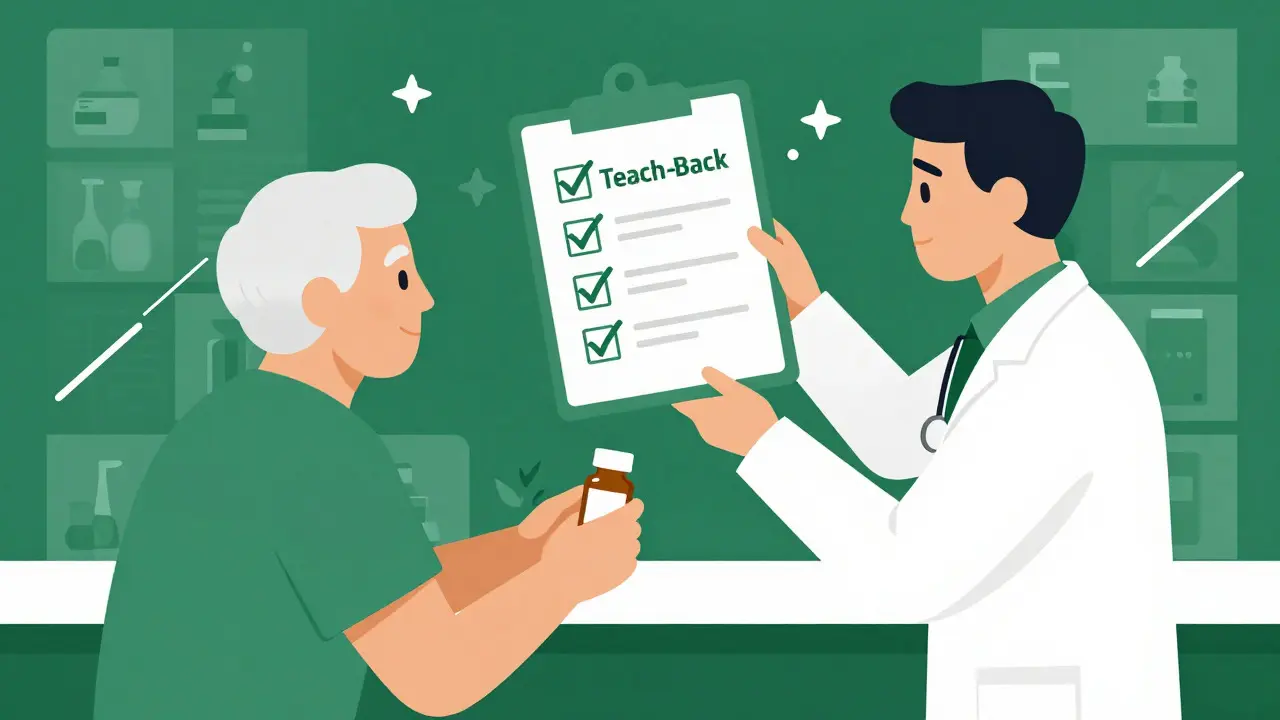
- Education: Use the "Teach-Back" method. Explain your meds back to the nurse in your own words. If you get confused, they will know to re-explain it. Studies show this simple step improves adherence by 32%.
If the hospital staff seems rushed, be polite but persistent. Say, "I want to make sure I don’t miss anything. Can we review this list together before I sign out?"
High-Risk Drugs That Need Extra Attention
Not all medications carry the same weight. Some classes of drugs are particularly dangerous if mishandled during a transition. As a senior, you are likely taking some of these. Pay special attention to:
- Anticoagulants (Blood Thinners): Drugs like warfarin or DOACs (like Eliquis or Xarelto) require precise timing. Missing a dose can cause clots; taking too much can cause bleeding. If you’re on warfarin, you must get your INR levels checked within 72 hours of going home.
- Insulin: If your hospital diet differed from your home diet, your insulin needs may change. Bring a blood glucose log and monitor closely for the first week.
- Opioids: Painkillers prescribed in the hospital are often stronger than what you’d use at home. Clarify exactly when to stop them to avoid dependency or sedation issues.
- Antiplatelet Agents: Aspirin and similar drugs affect clotting. Ensure you know if you should continue them alongside other heart medications.
These drugs have narrow therapeutic windows, meaning the difference between a helpful dose and a harmful one is small. Double-checking these specific items can save your life.
Building Your Home Support System
You don’t have to manage this alone. The most successful transitions involve a team. Here’s who you need to loop in and how:
| Role | Responsibility | Action Item for You |
|---|---|---|
| Hospital Pharmacist | Final med check before exit | Schedule a 10-minute chat before leaving |
| Primary Care Doctor | Long-term management | Call within 48 hours of discharge |
| Family/Friend | Backup reminder system | Share the written med list |
| Home Health Nurse | First 24-hour check-in | Ask for a visit if available |
Your primary care doctor is your anchor. They need to know exactly what changed in the hospital. Call them within two days of getting home. Tell them, "Here is my new list. Please confirm if any of these conflict with my long-term prescriptions." Many errors happen because the hospital doctor didn’t know about a chronic condition managed by your GP, or vice versa.
Tech Tools and Practical Hacks for Daily Life
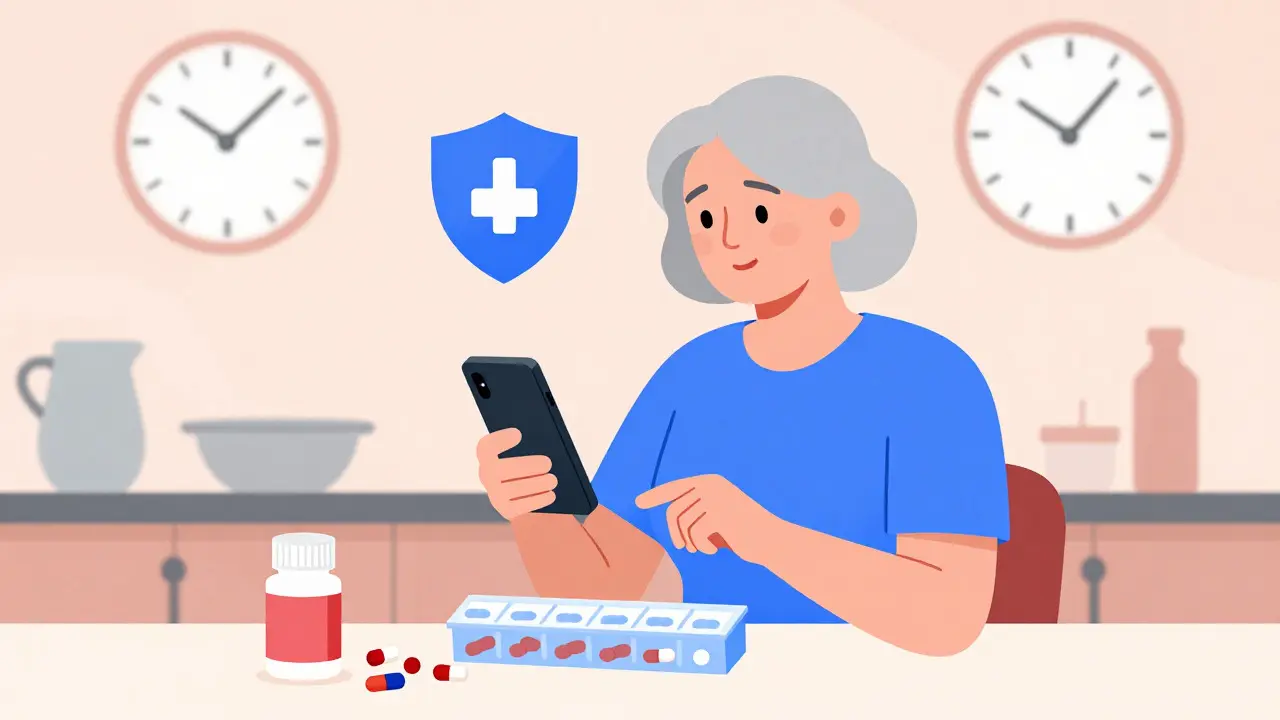
Memory fades, especially when you’re tired and recovering. Use technology to your advantage. A 2023 study in JAMA Network Open found that mobile apps with visual schedules reduced errors by 41% in elderly patients. You don’t need a fancy app; a simple calendar on your phone works well.
- Set Alarms: Create recurring alarms for morning, noon, and evening doses. Label them clearly (e.g., "Take Blood Pressure Pill").
- Use a Pill Organizer: Buy a weekly organizer with compartments for AM/PM. Fill it up once a week with a family member watching.
- Keep a Log: Write down when you took each med. If you feel dizzy or sick, note the time. This helps your doctor identify side effects quickly.
- Brown Bag Review: Once a month, bring all your bottles to your pharmacy. The pharmacist can spot duplicates or expired meds you’ve forgotten about.
Also, watch out for health literacy barriers. Only 12% of U.S. adults have proficient health literacy, meaning many people struggle to understand medical instructions. If a label looks confusing, ask the pharmacist to write large, bold letters on the bottle cap. Clarity beats complexity.
When to Call the Doctor Immediately
After discharge, you enter a vulnerable window. Watch for these red flags that suggest a medication error or adverse reaction:
- Sudden Dizziness or Fainting: Could indicate low blood pressure from heart meds or dehydration.
- Unusual Bleeding or Bruising: A sign your blood thinners might be too strong.
- Confusion or Agitation: Especially in seniors, this can signal a drug interaction or infection.
- Nausea or Vomiting: Might mean you’re taking too many pills at once or missing a dose that protects your stomach.
Don’t wait for your next scheduled appointment. If something feels "off," call your primary care provider or the hospital discharge line. They would rather hear from you now than deal with an emergency room visit later.
Frequently Asked Questions
How long after discharge should I follow up with my doctor?
Aim for within 7 days for high-risk patients (those with heart failure, COPD, or taking 4+ new meds). For standard cases, 14 days is acceptable. However, calling within 48 hours to confirm your new medication list is best practice.
What is the Teach-Back method?
It’s a communication technique where you repeat back to the healthcare provider what you understood about your medication plan. For example, "So I take the blue pill in the morning with food, and the white one at night." This ensures both sides are on the same page.
Should I bring my old medication bottles to the hospital?
Yes, absolutely. This is called a Brown Bag Review. It gives the hospital team the most accurate picture of what you actually take, including over-the-counter drugs and supplements that might not be on your insurance profile.
Are home health nurses required to check my meds?
If you qualify for Medicare-covered home health care, the nurse should conduct a medication reconciliation within 24 hours of their first visit. Ask them specifically to verify your discharge list against your current bottles.
What if I can’t afford the new medications prescribed at discharge?
Tell the pharmacist before you leave the hospital. They can often find generic alternatives or contact the prescriber for a different option. Never skip a dose because of cost without talking to a professional, as stopping certain meds abruptly can be dangerous.