
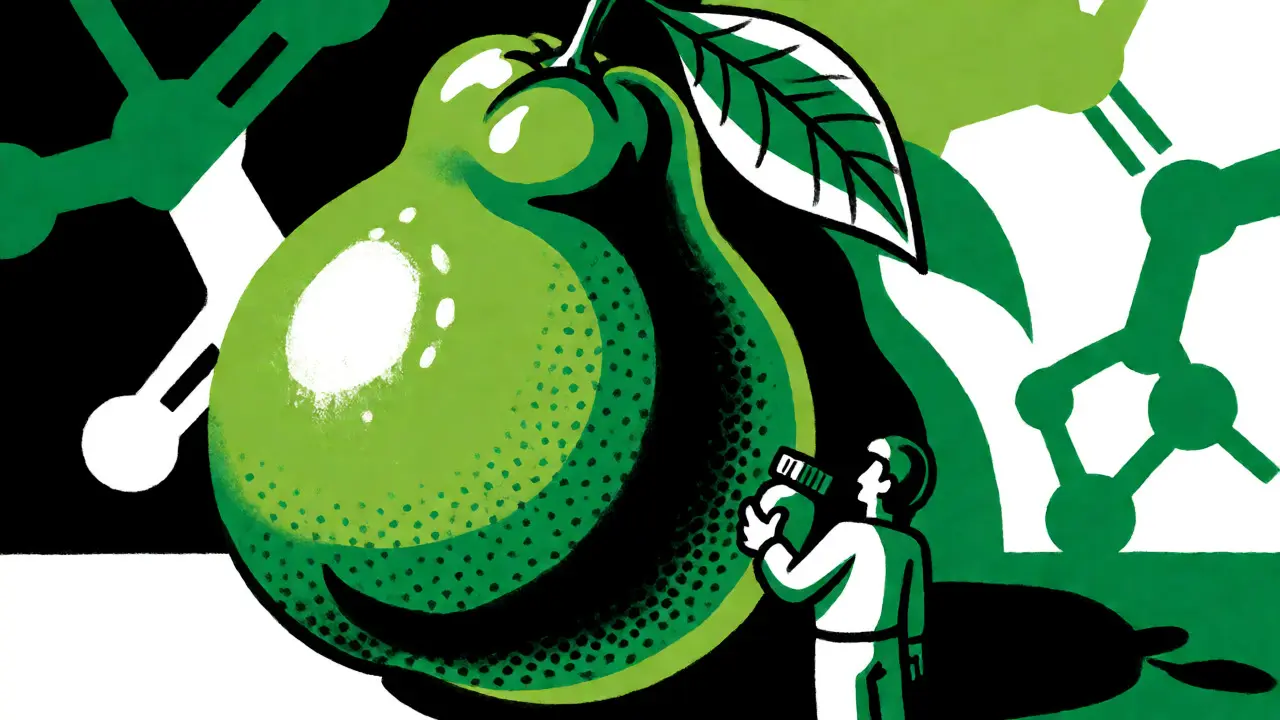
Citrus Drug Interaction Checker
Select your medication and the citrus fruit you are considering to check for potential metabolic conflicts.
You know the drill: take your statin with water, not grapefruit juice. It’s become such common advice that most people assume it applies only to that specific pinkish-yellow fruit. But what if I told you that the large, green-skinned pomelo sitting on your kitchen counter or that jar of bitter Seville orange marmalade might be even more potent at messing with your medication? If you are taking prescriptions for cholesterol, blood pressure, or immune suppression, assuming "grapefruit is the only enemy" could land you in the hospital.
Recent data shows a troubling gap in public awareness. While nearly 80% of grapefruit products carry interaction warnings, only about 37% of pomelo and Seville orange items do. This isn't just a labeling issue; it's a safety one. The biochemistry behind these fruits is strikingly similar to grapefruit, often sharing the exact same compounds that block drug metabolism. In fact, some studies suggest pomelo can increase drug exposure by up to 350%, which is higher than the average grapefruit effect. Let’s break down why these two citrus cousins deserve the same caution as their famous relative.
The Biochemical Culprits: Why Citrus Blocks Your Meds
To understand the risk, we need to look at what happens inside your gut when you eat these fruits. The main offenders are chemical compounds called furanocoumarins, specifically bergamottin and 6',7'-dihydroxybergamottin. These compounds don't just pass through you; they actively disable enzymes in your intestinal wall.
The primary enzyme involved is CYP3A4, part of the cytochrome P450 system. Think of CYP3A4 as a bouncer at a club, deciding how much of a drug gets into your bloodstream. Normally, this enzyme breaks down a significant portion of oral medications before they reach your heart and brain-a process called first-pass metabolism. When furanocoumarins from pomelo or Seville orange bind to CYP3A4, they inhibit it irreversibly. This means the "bouncer" is knocked out for hours, sometimes up to 72 hours. With the enzyme disabled, way more of the drug enters your system than intended, potentially leading to toxic levels.
Beyond CYP3A4, these fruits also affect transport proteins like OATPs (organic anion-transporting polypeptides). OATPs help move drugs from the gut into cells. Pomelo contains high levels of naringin, a flavonoid that inhibits these transporters. This double-hit-blocking both breakdown and absorption mechanisms-makes certain citrus fruits particularly risky for drugs that rely heavily on these pathways.
Pomelo: The Giant With Hidden Risks
Pomelo (Citrus maxima) is the largest citrus fruit, native to Southeast Asia. You might see it labeled as "Chinese grapefruit," but it’s a distinct species. Despite its size, the flesh is less acidic and sweeter than typical grapefruit, which might make you think it’s gentler on the stomach. However, chemically, it packs a punch.
A 2014 study in the Journal of Agricultural and Food Chemistry found that pomelo contains bergamottin concentrations ranging from 1.5 to 2.5 μM, comparable to or exceeding those in grapefruit. Because people often eat larger portions of pomelo due to its mild taste, the total dose of furanocoumarins can be surprisingly high. Dr. David Bailey, who discovered the grapefruit interaction phenomenon back in 1989, has described pomelo as "essentially grapefruit's bigger, more dangerous cousin."
| Fruit Type | Bergamottin Concentration (μM) | Simvastatin AUC Increase | Public Awareness Level |
|---|---|---|---|
| Grapefruit | 1.0 - 2.0 | ~300% | High (78% labeled) |
| Pomelo | 1.5 - 2.5 | ~350% | Low (37% labeled) |
| Seville Orange | 3.0 - 4.0 | N/A (Tacrolimus +400%) | Very Low |
This table highlights a critical point: while grapefruit is the well-known villain, pomelo often delivers a stronger biochemical impact per serving. Yet, because it’s less common in Western supermarkets, many patients-and even some healthcare providers-don’t connect it to the grapefruit warning list.
Seville Orange: The Marmalade Menace
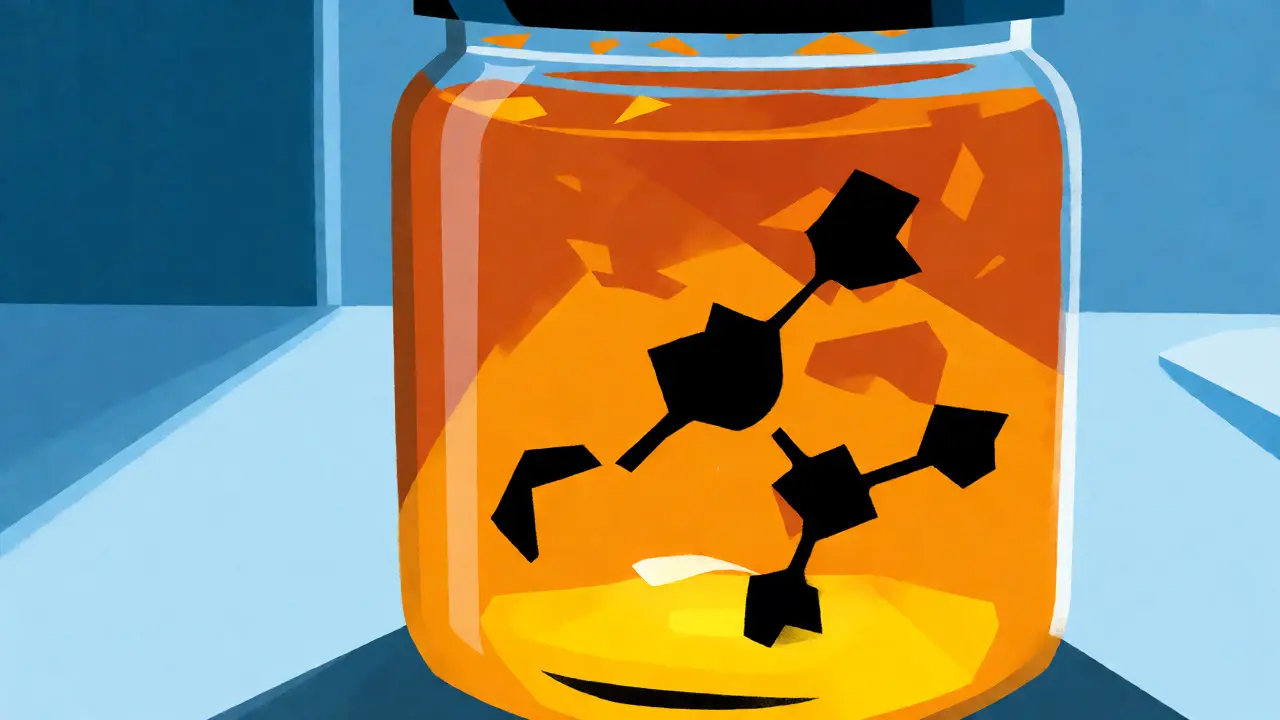
If pomelo is the hidden giant, Seville orange (Citrus aurantium) is the sneaky saboteur. Also known as bitter orange, this variety is rarely eaten raw because it’s too sour. Instead, it’s the primary ingredient in traditional British marmalades and certain liqueurs like Curaçao.
The problem lies in concentration. Marmalade production involves boiling the peel, where furanocoumarins are most abundant. Chemical analyses cited by Healthline in 2023 indicate that bergamottin levels in Seville orange can be up to 30% higher than in grapefruit. Some cultivars show concentrations reaching 3.0 to 4.0 μM, making them exceptionally potent inhibitors of CYP3A4.
A case report published in Transplantation Proceedings in 2011 documented a transplant patient whose tacrolimus levels spiked by 400% after consuming Seville orange marmalade. Tacrolimus is an immunosuppressant with a narrow therapeutic index, meaning small changes in blood levels can cause severe toxicity or rejection. The patient required hospitalization to stabilize their condition. This wasn't an isolated incident; the FDA Adverse Event Reporting System recorded 217 reports linked to pomelo and related citrus interactions between 2018 and 2022, a 43% increase over the previous period.
Dr. Paul Watkins from the University of North Carolina warned in a 2020 FDA workshop that Seville orange marmalade "presents a unique risk because consumers don't recognize it as a drug interaction hazard." Unlike drinking a glass of juice, eating a spoonful of marmalade feels like a minor dietary choice, not a medical event.
Which Medications Are Most at Risk?
Not every drug reacts to these fruits. The risk is highest for medications metabolized by CYP3A4 or transported by OATPs. If you are unsure, check the leaflet that comes with your prescription or ask your pharmacist. Here are the major classes where caution is paramount:
- Statins: Drugs like simvastatin, atorvastatin, and lovastatin are highly susceptible. Increased levels can lead to muscle pain, weakness, and in rare cases, rhabdomyolysis (muscle breakdown).
- Calcium Channel Blockers: Used for high blood pressure and angina, including felodipine and nifedipine. Interaction can cause excessive lowering of blood pressure, leading to dizziness or fainting.
- Immunosuppressants: Cyclosporine and tacrolimus are critical for organ transplant recipients. Toxicity here can damage kidneys and other organs.
- Anti-anxiety Agents: Benzodiazepines like midazolam and triazolam may have prolonged sedative effects, increasing fall risk.
- Certain Anti-cancer Drugs: Some tyrosine kinase inhibitors rely on CYP3A4 for clearance, and interference can alter efficacy or toxicity.
It’s worth noting that sweet oranges (the common eating oranges) generally do not contain significant amounts of furanocoumarins. They are usually safe alternatives for those craving citrus flavor without the metabolic risk. However, always verify with your doctor, as individual sensitivities vary.

Practical Steps to Stay Safe
Knowing the science is half the battle; applying it to daily life is the other half. Here is how to navigate the grocery store and your medicine cabinet effectively.
- Read Labels Carefully: Look beyond the word "orange." Check ingredients lists for "Seville orange," "bitter orange," "Citrus aurantium," or "pomelo." In marmalades, the peel content matters most.
- Ask Specific Questions: Don't just ask, "Is this okay with my meds?" Ask, "Does this contain furanocoumarins?" or "Is this Seville orange?" Many pharmacists screen for grapefruit but miss pomelo. A 2023 survey showed only 42% of community pharmacists routinely screen for these specific interactions.
- Time Doesn't Always Help: Unlike alcohol, where waiting a few hours clears the system, furanocoumarin inhibition is irreversible for existing enzymes. Your body needs time to synthesize new enzymes, which can take up to 72 hours. Spacing out your fruit consumption and medication intake by a few hours does not eliminate the risk.
- Monitor for Symptoms: If you start eating pomelo or marmalade regularly, watch for signs of increased drug side effects. For statins, this might mean unexplained muscle soreness. For blood pressure meds, it could be lightheadedness upon standing.
The European Medicines Agency issued a scientific opinion in 2019 stating that "pomelo and Seville orange should be considered to have equivalent interaction potential to grapefruit until proven otherwise." This is a strong endorsement for treating them with equal caution. As of 2023, 17 EU countries have adopted mandatory interaction warnings for these products, following EFSA recommendations. If you live in these regions, you’ll likely see clearer labels, but global consistency is still lacking.
What Does the Future Hold?
Awareness is slowly catching up. The FDA proposed expanding warning labels to include all furanocoumarin-containing citrus fruits in 2023, with implementation expected soon. Additionally, a $2.1 million NIH-funded study at the University of Washington is currently examining pomelo-drug interactions specifically. Early predictions suggest that provider awareness will jump by 65% by 2027 as electronic health records integrate better screening tools.
However, climate change poses a wildcard. A 2022 study in Nature Food projected that changing growing conditions could alter furanocoumarin concentrations by up to 25% by 2040. This means the potency of today’s pomelo might differ from tomorrow’s, adding another layer of complexity to dietary management.
Can I eat a small amount of pomelo if I take statins?
It depends on the specific statin and your dosage. Simvastatin and atorvastatin are most sensitive. Even small amounts can trigger interactions because the enzyme inhibition is cumulative and long-lasting. It is safer to avoid pomelo entirely or switch to a non-interacting statin like pravastatin or rosuvastatin, which are less affected by CYP3A4 inhibition. Always consult your prescriber before reintroducing it.
Is regular orange juice safe with medications?
Yes, standard sweet orange juice (Citrus sinensis) typically lacks the furanocoumarins responsible for CYP3A4 inhibition. It is generally considered safe for most people on medication. However, if you have kidney issues or are on potassium-sparing diuretics, monitor potassium levels, as orange juice is high in potassium.
Why is Seville orange marmalade riskier than fresh Seville orange?
Furanocoumarins are concentrated in the peel. Marmalade recipes involve cooking the peel extensively, which extracts and concentrates these compounds into the final product. Eating a whole fresh Seville orange is rare due to bitterness, but consuming marmalade delivers a potent dose of the active inhibitors in a palatable form, often without the consumer realizing it.
How long do I need to wait after eating pomelo before taking my pill?
Waiting a few hours won't work. The inhibition of CYP3A4 is irreversible for the duration of the enzyme's life cycle, which can be up to 72 hours. To minimize risk, maintain a consistent diet. If you decide to stop eating pomelo, allow three days for your enzyme levels to normalize before starting a sensitive medication regimen, or vice versa.
Are there any benefits to pomelo that outweigh the risks?
Pomelo is rich in vitamin C, fiber, and antioxidants. For healthy individuals not on interacting medications, it is a nutritious choice. For those on meds, the benefit depends on whether you can substitute it with other fruits. There is no unique nutrient in pomelo that cannot be obtained elsewhere safely, so prioritizing medication stability is usually the wiser choice.
Aurelio Haney
September 3, 2026 AT 15:53Finally someone writes about this without just screaming "GRAPEFRUIT" at everyone :/ The data on pomelo being worse is actually insane. Most docs are clueless and just say citrus bad which makes people avoid safe oranges too. It’s a systemic failure in patient education honestly. You need to know the specific fruit not just the category. This article is a must-read for anyone on statins or transplant meds. Don't be lazy like your doctor and read the labels properly. 🤓
Pramay Dattani
September 4, 2026 AT 22:28typical western bias ignoring that we have been eating these fruits for centuries with no issues. maybe its the chemicals in our water or the stress of living in your country causing the interaction? i bet if you ate fresh pomelo from india it wouldnt hurt you. american medicine is always looking for a villain in the food instead of fixing the root cause. your studies probably used imported fruits that were sprayed with extra pesticides. anyway good post i guess but dont expect me to stop eating my favorite fruit because of some enzyme in your gut.
Falgun R Patel
September 5, 2026 AT 23:43This is such an important reminder, Pramay. While cultural habits matter, biochemistry doesn't really care about geography or tradition when it comes to CYP3A4 inhibition. If the compound is there, the reaction happens regardless of where the fruit grew. It's less about blame and more about understanding how our bodies process things differently based on what we consume. Maybe we can view it as a collaboration between traditional wisdom and modern science rather than a conflict. We all want health, right?
Mary Tait
September 7, 2026 AT 16:45The lack of labeling consistency in the US is unacceptable. Europe has had mandatory warnings for years while American consumers are left guessing. It is not just a safety issue but a legal liability nightmare for manufacturers who choose to omit obvious risks. Pharmacists are overworked and cannot catch every single dietary interaction during a brief consultation. Patients need to take ownership of their health literacy because the system clearly fails them here. If you are taking tacrolimus or simvastatin, do not assume your pharmacist knows everything about marmalade ingredients.
Rebecca Makayla Crane
September 8, 2026 AT 20:45Omg I literally just bought a jar of artisanal Seville orange marmalade last week 😱🍊 I thought I was being so healthy and sophisticated eating it on my sourdough toast. Now I’m panicking because I started a new blood pressure med last month. I didn’t even think to check the label for 'bitter orange' because I assumed it was just fancy branding. Is one spoonful enough to mess up my levels or do I need to wait three days?? I feel so betrayed by breakfast spreads. 💀💅
Jim Bisesi
September 10, 2026 AT 13:33ugh another thing to worry about. i hate reading articles like this. now i have to check every label and remember to space out my pills and my snacks. why cant they just make drugs that dont interact with food? seems like poor design to me. whatever. i will just drink water and eat plain rice until i die. drama queen alert: im already stressed enough without worrying about my jam.
Louis Tarro
September 10, 2026 AT 14:31I appreciate the detailed breakdown of the biochemical mechanisms. It helps to understand that the inhibition is irreversible for the existing enzymes, which explains why timing alone is insufficient. For those managing chronic conditions, maintaining a consistent diet might be the most practical approach rather than trying to calculate exact hours. It is reassuring to see research acknowledging the gap in public awareness, especially regarding lesser-known varieties like pomelo. Knowledge truly empowers us to navigate these complex interactions with greater confidence and safety.
Shu Chowdhury
September 11, 2026 AT 08:47the part about marmalade concentrating the furanocoumarins in the peel is key. many people think peeling the fruit removes the risk but cooking the peel into jam keeps them intact. also sweet oranges are usually fine which is a relief for juice lovers. just gotta be careful with the fancy stuff. stay safe everyone
Amy B
September 11, 2026 AT 21:28Wait does this apply to bergamot oil in Earl Grey tea? 🫖 I drink like three cups a day and I'm on atorvastatin. The article mentions Seville oranges but bergamot is a different citrus right? Or is it close enough to count as a risk? I don't want to give up my tea habit but I also don't want muscle pain. Someone please clarify if the tea bag counts as a 'fruit product' in this context! 🤔✨