
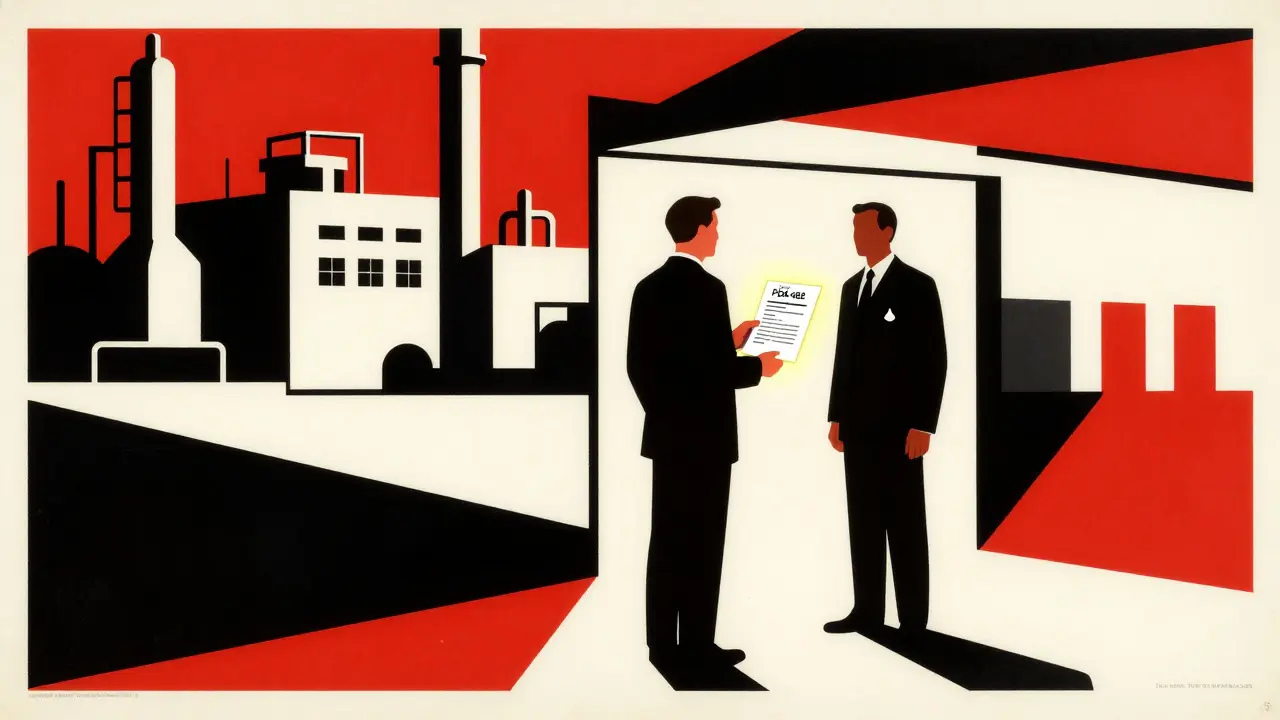
Imagine walking into your factory floor on a Tuesday morning. The machines are humming, the staff is settling in, and everything looks normal. Then, two people in suits walk through the door, show their badges, and hand you a piece of paper. That paper is Form FDA 482, also known as the Notice of Inspection. Welcome to an unannounced inspection by the U.S. Food and Drug Administration (FDA).
If you manufacture drugs, medical devices, or food for the American market, this scenario is no longer just a possibility for domestic plants. It is now a reality for facilities overseas too. On May 6, 2025, the FDA announced a major policy shift: they will conduct surprise visits at foreign manufacturing sites just like they do at home. This change closes a long-standing loophole where international factories could prepare for weeks before inspectors arrived.
Why does this matter? Because when you have time to clean up, hide mistakes, or stage operations, inspectors don't see the truth. They see what you want them to see. Unannounced inspections strip away that preparation time. They reveal how your facility actually operates day-to-day. For regulators, this is the only way to ensure that every pill, device, or package entering the U.S. is safe, legitimate, and honestly made.
The End of the Double Standard
For decades, there was a clear divide in how the FDA inspected facilities. If you were based in the United States, you faced surprise visits. If you were in China, India, or Europe, you usually got advance notice. The reason wasn't favoritism; it was logistics. Traveling abroad takes time. Coordinating with local authorities and arranging translators required planning.
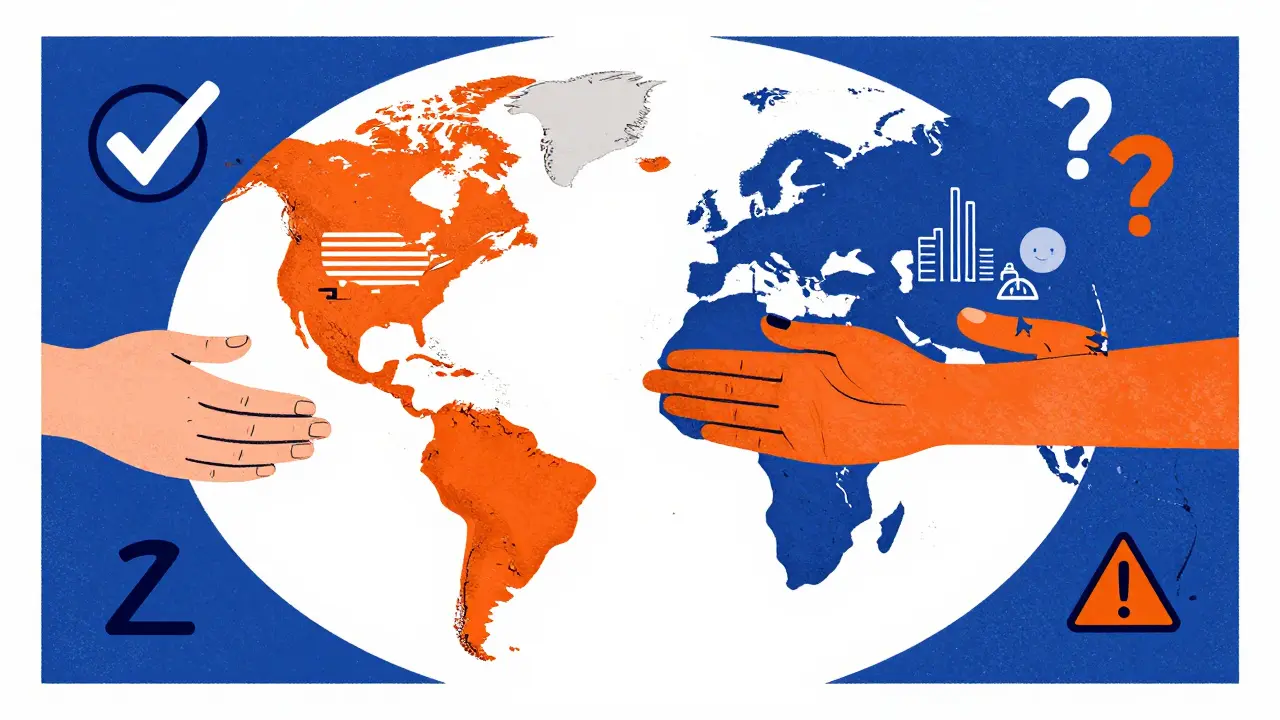
But this convenience created a "double standard." Data showed that when foreign facilities received advance warning, inspectors still found serious deficiencies more than twice as often as during domestic inspections. In some cases, companies used those extra weeks to falsify records or conceal violations. The FDA realized that if they wanted true regulatory parity, they had to inspect foreign sites without warning.
This shift aligns with a broader push for supply chain security. Approximately 40% of finished drugs and 80% of active pharmaceutical ingredients consumed in the U.S. are manufactured overseas. With so much production happening abroad, the risk of non-compliance grows. The new policy ensures that a manufacturer in Mumbai is held to the exact same scrutiny as one in Maryland.
| Feature | Domestic Facilities | Foreign Facilities (Pre-2025) | Foreign Facilities (Post-2025) |
|---|---|---|---|
| Notice Period | None (Unannounced) | Days to Weeks | None (Unannounced) |
| Deficiency Rate | Lower | High (Often >90% issued Form 483) | Expected to decrease due to better baseline compliance |
| Translator Arrangement | Not Required | Arranged by Facility | Facility must have immediate access |
| Regulatory Parity | Standard | Unequal | Equalized |
What Happens During a Surprise Visit?
When FDA investigators arrive, they follow a strict protocol. First, they identify themselves and display credentials. Next, they issue Form FDA 482 to the most responsible individual available on-site. This form officially starts the inspection process.
The investigators then explain the purpose of the visit. For most routine checks, this is a Quality System Regulation (QSR) inspection. They want to see if your processes match your paperwork. They will review Standard Operating Procedures (SOPs), manufacturing records, and batch documentation. They might walk the floor, observe sterile manufacturing areas, and interview staff.
The duration varies. A small facility with simple operations might be done in a day. A large plant producing complex biologics could take a week. The key factor is complexity. If investigators find issues, they dig deeper. If everything looks good, they move faster. But even a "No Action Indicated" result provides valuable data for the agency’s risk models.
Crucially, these inspections are not about catching you off guard to punish you. They are about seeing the real state of your quality management system. As Michael Rogers, Assistant Commissioner for Inspections and Investigations, stated, these visits provide "real-time evidence and insights that are essential for making fact-based regulatory decisions to protect public health."
Why Advance Notice Undermines Safety
You might think that giving companies time to prepare helps everyone. After all, wouldn't a cleaner, more organized facility make for a smoother inspection? Unfortunately, the opposite is true. Advance notice allows bad actors to hide problems.
Consider a scenario where a facility has been cutting corners on temperature logging for its cold storage units. If inspectors arrive with three days' notice, the company can backdate logs, repair broken sensors, and train staff on what to say. When the inspectors leave, the facility looks compliant. But the moment they step out the door, the old habits return. The next batch of medicine goes bad.
Unannounced inspections remove this buffer. You cannot fake a year's worth of consistent behavior in an afternoon. You cannot instantly retrain a workforce to follow SOPs they have ignored for months. This approach exposes systemic failures rather than superficial messiness. It forces companies to maintain continuous compliance, not just "inspection-ready" compliance.
This is especially critical for high-risk products. Medical devices and essential medicines have zero margin for error. A contaminated insulin vial or a faulty pacemaker component can kill patients. The FDA's goal is to stop these risks before they reach the consumer. Surprise visits are the most effective tool for doing that.
How Manufacturers Can Prepare for the Unexpected
So, how do you get ready for something you don't know is coming? The answer is culture and systems. You cannot prepare for a specific date, but you can prepare for any day.
First, invest in robust Quality Management System (QMS) software. Legacy tools that require manual entry and "duct-taping" together are dangerous liabilities. Modern QMS platforms automate record-keeping, flag deviations in real-time, and ensure data integrity. If your digital trail is accurate and complete, you have nothing to fear from a surprise audit.
Second, develop a clear response plan. Who greets the inspectors? Who gathers documents? Who translates if needed? These roles should be assigned and rehearsed regularly. Mock inspections are invaluable. Simulate a surprise visit once a quarter. Have internal auditors burst onto the floor and demand records. See where your team stumbles. Fix those gaps before the real agents arrive.
Third, address language barriers proactively. If your facility is in a country where English is not the primary language, you must have qualified translators on-site at all times. You cannot wait for the FDA to call and then scramble to find someone who understands both GMP terminology and Mandarin or Spanish. Keep a roster of vetted translators available 24/7.
- Document Control: Ensure all SOPs are current, signed, and easily accessible. Digital archives should be searchable within seconds.
- Staff Training: Every employee, from janitors to engineers, should know basic inspection protocols. They should understand that honesty is the best policy. Hiding information is a violation in itself.
- Facility Readiness: Keep your floors clean and organized daily, not just before audits. Good housekeeping reflects good manufacturing practices.
- Communication Chain: Establish a direct line between site leadership and corporate legal/compliance teams. Decisions made under pressure need support from headquarters.
The Global Impact and Future Outlook
The expansion of unannounced inspections to foreign sites is part of a larger trend toward stricter global oversight. The FDA conducts approximately 3,000 foreign inspections annually across more than 90 countries. Making these visits unannounced increases the agency's ability to detect fraud and negligence.
Some industry experts worry about coordination with foreign Competent Authorities. Historically, the FDA notified local regulators before visiting. Will that continue? It remains unclear. However, the FDA has emphasized that it is authorized to take action against firms that delay or deny access. This signals a firm stance: access is mandatory, regardless of local bureaucratic hurdles.
For manufacturers, the message is clear. The era of leniency for overseas production is over. Regulatory parity means equal responsibility. Companies that embrace transparency and build resilient quality systems will thrive. Those that rely on shortcuts and staging will face severe consequences, including import bans and criminal charges.
As we move further into 2026, expect to see more reports of these surprise visits. The FDA is committed to this "new era" of enforcement. It is stronger, smarter, and focused entirely on protecting public health. Whether you are in Boston or Bangalore, the standard is the same: be ready, be honest, and be compliant every single day.
Why did the FDA start unannounced inspections for foreign facilities in 2025?
The FDA expanded unannounced inspections to foreign facilities to eliminate a "double standard" where overseas manufacturers received advance notice while domestic ones did not. Data showed that advance notice allowed foreign firms to conceal violations, leading to higher deficiency rates. The change ensures regulatory parity and improves patient safety by revealing true operational conditions.
What is Form FDA 482?
Form FDA 482 is the official Notice of Inspection. Investigators present this form to the most responsible person on-site to formally begin the inspection process. It signifies that the facility is subject to federal regulatory review.
How can a manufacturer prepare for an unannounced inspection?
Manufacturers should maintain continuous compliance rather than preparing for a specific date. Key steps include using automated QMS software for accurate records, conducting regular mock inspections, ensuring immediate access to qualified translators, and training all staff on inspection protocols and honesty policies.
Does the FDA still coordinate with foreign governments before inspections?
It is currently unclear if the FDA will maintain its historical practice of notifying foreign Competent Authorities. While past inspections involved sharing itineraries, the new unannounced policy prioritizes surprise. The FDA has stated it will take action against firms that deny access, suggesting less reliance on prior diplomatic coordination.
What happens if a facility fails an unannounced inspection?
If inspectors find significant violations, they may issue a Form 483 listing observations. Severe issues can lead to Warning Letters, import bans, product recalls, or criminal prosecution. The FDA aims to expose bad actors who falsify records or conceal risks to public health.