
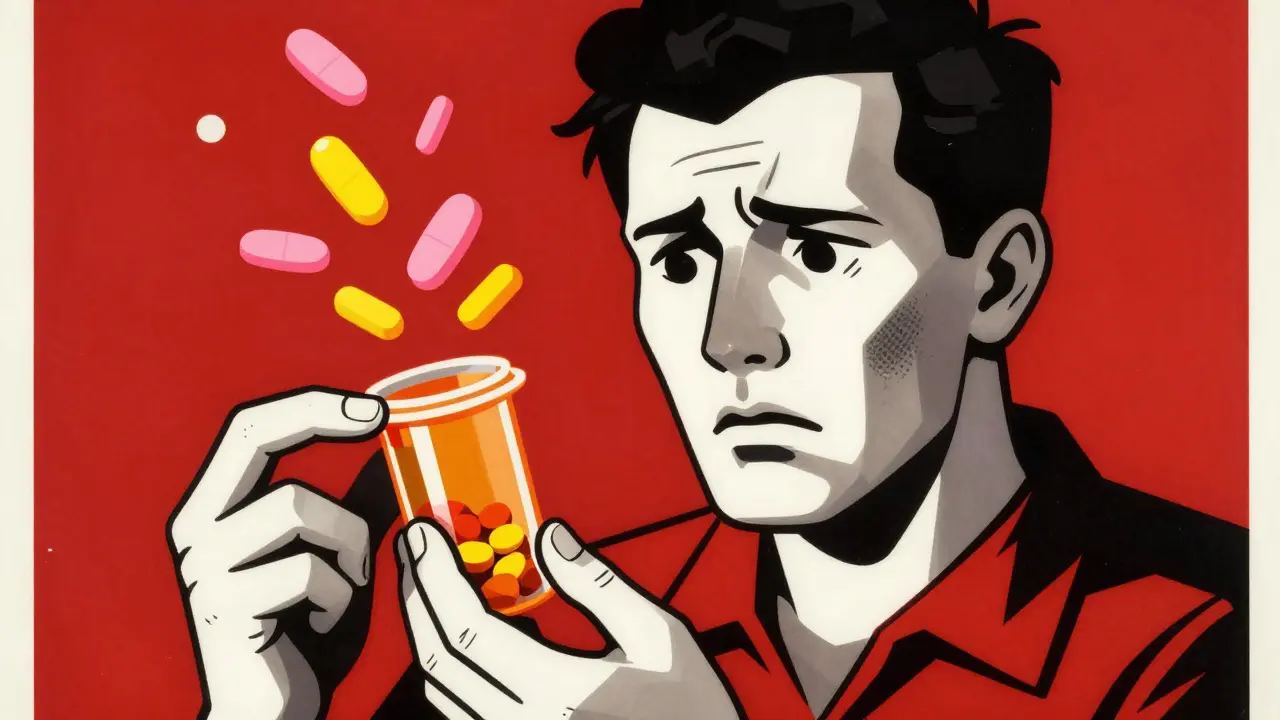
Have you ever picked up your prescription refill, popped the bottle open, and felt a wave of panic because the pills inside looked completely different? Maybe they changed from white to blue, or from round to oval. It’s a jarring moment that makes you question if the pharmacist made a mistake or if you’re about to take the wrong medicine. You are not alone in this confusion. This phenomenon is known as generic pill appearance variation, and it happens more often than most people realize.
The good news is that these changes usually have nothing to do with the drug's effectiveness. The bad news is that they can significantly impact whether you actually take your medication correctly. Understanding why these physical differences exist, how they affect your health outcomes, and what steps you can take to manage them is crucial for anyone relying on long-term therapy. Let’s break down the science, the regulations, and the practical solutions so you can feel confident in your medication routine.
Why Do Generic Pills Look Different From Brand Names?
To understand why your cholesterol med looks like a pink oval one month and a yellow rectangle the next, we need to look at U.S. trademark law. Under the Hatch-Waxman Act of 1984, which established the pathway for generic drugs, manufacturers are legally prohibited from making their products look identical to the brand-name version or other existing generics. This isn’t an oversight; it’s a legal requirement designed to protect intellectual property.
The U.S. Food and Drug Administration (FDA) ensures that generic drugs are bioequivalent to their brand-name counterparts. This means they must contain the same active ingredient, strength, dosage form, and route of administration. However, the FDA explicitly allows differences in inactive ingredients-the fillers, binders, and dyes that give the pill its color and shape. These inactive components do not affect how the medicine functions in your body, but they create the visual diversity you see in your medicine cabinet.
| Feature | Brand-Name Drug | Generic Drug |
|---|---|---|
| Active Ingredient | Specific chemical compound | Identical chemical compound |
| Appearance | Unique color/shape (trademarked) | Varies by manufacturer (legal requirement) |
| Inactive Ingredients | Proprietary formula | May differ (affects color/texture) |
| Cost | Higher (R&D costs included) | Lower (no R&D recovery needed) |
For example, Lipitor (atorvastatin calcium), a well-known brand-name cholesterol medication, is typically manufactured as a pink, oval tablet. In contrast, generic versions might appear as white, round tablets from one manufacturer or pale yellow, oblong tablets from another. Despite these visual differences, all these pills deliver the same therapeutic effect because they meet strict bioequivalence standards set by the FDA.
The Hidden Risk: How Appearance Changes Affect Adherence
While the FDA maintains that differences in taste or appearance do not affect a drug’s safety or effectiveness, research tells a more nuanced story. The real danger lies in human behavior. When patients see a pill that looks different from what they expect, doubt creeps in. This doubt can lead to skipped doses or complete discontinuation of essential medications.
A pivotal study published in the Annals of Internal Medicine in 2014 analyzed data from over 38,000 patients taking cardiovascular medications. Led by Dr. Aaron S. Kesselheim from Harvard Medical School, the research found that when the appearance of pills changed, the odds of patients stopping their medication increased by 34% compared to those who received consistent-looking refills. Specifically, 16.8% of patients discontinued their medication after a visual change, versus only 12.5% with consistent appearances. This statistically significant difference highlights a critical gap between regulatory assurance and patient reality.
The issue is particularly acute for older adults. According to the American Pharmacists Association, pharmacists report receiving complaints about changing pill appearances in approximately 18.3% of generic medication refills, with 67% of these complaints coming from patients aged 65 and older. The AARP’s 2022 Medication Safety Survey echoed this, finding that 37% of adults over 65 expressed difficulty recognizing their medications when appearance changed, compared to just 22% of younger adults. For seniors managing multiple chronic conditions, visual cues are often the primary way they distinguish between their morning blood pressure pill and their evening diabetes medication.
Understanding the Regulatory Landscape
The FDA has been increasingly aware of these concerns. In 2016, the agency issued specific guidance titled 'Size, Shape, and Other Physical Attributes of Generic Tablets and Capsules.' This document signaled a shift toward recognizing that physical characteristics impact patient compliance and medication error risks. The FDA now recommends that manufacturers consider these attributes when developing Quality Target Product Profiles (QTPPs) for new generic candidates.
However, this guidance does not retroactively apply to already-approved generics unless a specific safety concern emerges. This means that if you’ve been taking a white, round metformin tablet for years, there is no guarantee that your next refill will look the same if your pharmacy switches suppliers. The Orange Book, officially titled 'Approved Drug Products with Therapeutic Equivalence Evaluations,' lists approved drugs but does not standardize appearance. As of December 2023, 41.7% of generic drug entries in the Orange Book list multiple manufacturers for the same strength, increasing the likelihood of visual changes during refills.
Dr. Jennifer J. Gold, Director of the Division of Generic Drug Policy at the FDA, stated in a 2021 interview that the Agency believes patient safety concerns regarding appearance are important. Yet, legal frameworks remain rigid. The 2022 Federal Circuit Court decision in Takeda Pharmaceuticals v. Zydus Worldwide DMCC upheld trademark protection for drug appearance characteristics, reinforcing the current system that necessitates visual differences.
Practical Strategies for Managing Pill Variations
If you’re tired of the guesswork every time you pick up a prescription, there are concrete steps you can take to regain control. The goal isn’t to demand brand-name drugs (which are often prohibitively expensive) but to ensure consistency within the generic realm.
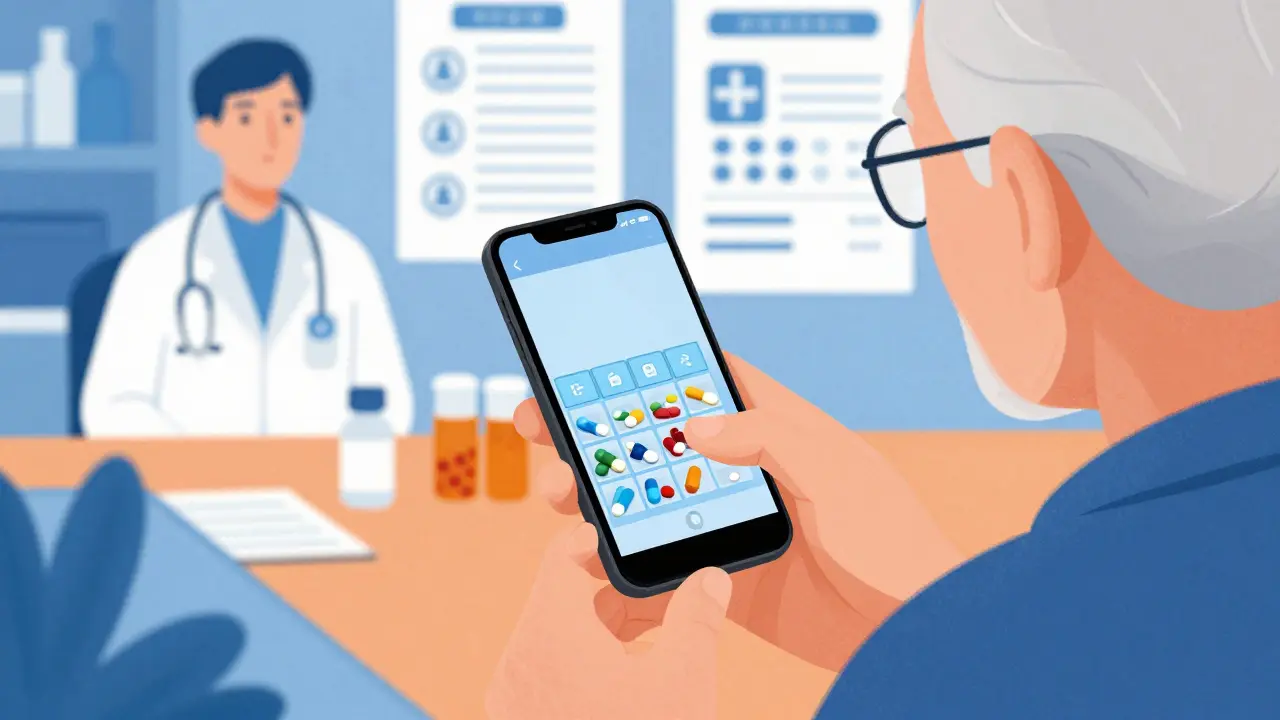
- Maintain a Visual Record: Take a photo of each of your medications every time you get a new refill. Store these images in a dedicated album on your phone. A 2021 Johns Hopkins study found that maintaining personal medication records with photos reduced medication errors by 27% among elderly patients.
- Communicate With Your Pharmacist: Don’t hesitate to ask why your pill looks different. Pharmacists can verify that the new appearance corresponds to the correct drug and manufacturer. They can also provide printable medication identification cards, which 68.3% of surveyed pharmacies reported using in 2022.
- Request Manufacturer Consistency: While most Pharmacy Benefit Manager (PBM) formularies do not guarantee consistent manufacturer supply, you can ask your doctor to write "Dispense As Written" (DAW) or specify a preferred manufacturer if available. Note that this may increase out-of-pocket costs, so weigh the financial impact against the peace of mind.
- Use Pill Organizers Strategically: If you take multiple medications, use a weekly pill organizer with morning/evening compartments. Fill it yourself immediately after picking up prescriptions, comparing each pill to your photo record before placing it in the box. This adds a layer of verification before the medication leaves your sight.
- Leverage Technology: Some e-prescribing networks, like Surescripts, offer a 'Medication History' feature that shows historical images of medications. Ask your pharmacy if they can access this feature for you, although adoption rates remain around 42.7%.
The Future of Generic Drug Appearance
Is there hope for more standardized appearances in the future? Yes, but progress is gradual. The FDA launched an initiative in 2023 to develop 'Visual Medication Equivalence Standards' through its Generic Drug User Fee Amendments (GDUFA) program. Draft guidance was expected in Q2 2024, aiming to encourage voluntary appearance standardization for high-risk medications.
International regulators are moving faster. The European Medicines Agency requires that generic versions of medications for chronic conditions maintain similar appearance to the reference product when feasible. A 2022 EU-wide study showed this policy reduced appearance-related medication errors by 18.3%. Evaluate Pharma predicts that by 2028, 75% of new generic approvals will include voluntary appearance standardization for high-risk medications, up from just 32% in 2023.
In the U.S., the FDA’s Center for Drug Evaluation and Research has allocated $4.7 million in its 2024 budget for research on medication appearance standardization. This signals continued regulatory focus, even if legal hurdles remain. Until then, patients must remain vigilant advocates for their own safety.
When to Seek Immediate Help
While most appearance changes are harmless variations in inactive ingredients, some situations require immediate attention. Contact your pharmacist or doctor right away if:
- The pill lacks any markings (letters, numbers, or symbols) that match your prescription label.
- You experience new side effects after switching to a visually different generic, which could indicate sensitivity to a different inactive ingredient (such as dyes or gluten).
- The size or shape change makes the pill difficult to swallow, potentially affecting your ability to take the dose correctly.
- You suspect the pharmacy dispensed the wrong medication entirely. Always double-check the name on the bottle against the pill itself.
Remember, your comfort and confidence in your medication regimen are vital for long-term health. Don’t ignore your instincts if something looks off. A quick call to your pharmacist can save you from unnecessary anxiety or potential health risks.
Are generic pills less effective than brand-name pills?
No. Generic pills are required by the FDA to be bioequivalent to brand-name drugs, meaning they contain the same active ingredient, strength, and dosage form. They must demonstrate that they dissolve in the body within 80-125% of the reference listed drug's performance. The only differences allowed are in inactive ingredients, which affect appearance but not therapeutic efficacy.
Why do my generic pills keep changing color and shape?
Generic pills change appearance because trademark laws prevent manufacturers from copying the look of brand-name drugs or other generics. Additionally, pharmacies often switch between different generic manufacturers based on cost and availability. Since multiple companies can produce the same generic drug, each may use different colors, shapes, and markings, leading to visual variations across refills.
Can I request the same generic manufacturer every time?
You can ask, but there is no guarantee. Most insurance plans and Pharmacy Benefit Managers (PBMs) prioritize the lowest-cost option, which may vary by manufacturer. While some doctors can specify a preferred manufacturer, this may result in higher out-of-pocket costs for you. Discuss the trade-offs with your pharmacist and insurer.
What should I do if my pill looks different from last time?
First, check the prescription label to ensure the drug name and strength match. Then, consult your pharmacist to confirm the new appearance corresponds to a valid generic version of your medication. If you’re unsure, take a photo of the new pill for your records. Never skip a dose without professional advice, as discontinuing medication can be dangerous.
Do inactive ingredients in generics cause side effects?
In rare cases, yes. While inactive ingredients like fillers, binders, and dyes are generally safe, some individuals may have allergies or sensitivities to specific components (e.g., lactose, gluten, or certain dyes). If you experience new gastrointestinal issues or allergic reactions after switching generics, inform your doctor. Your pharmacist can help identify if a specific inactive ingredient might be the culprit.
How common is medication non-adherence due to appearance changes?
It is surprisingly common. Research indicates that 32.7% of patients refilling chronic condition medications experience appearance variations. Among those who see a change, the odds of discontinuing medication increase by 34%. Studies show that 16.8% of patients stop taking their meds after a visual change, compared to 12.5% with consistent appearances, highlighting the psychological impact of these differences.