

Explore the risks and benefits of switching between brand-name and generic antiseizure medications, including narrow therapeutic index issues and patient advocacy strategies.
Discover why generic drugs look different from brand-name medicines due to trademark laws. Learn about bioequivalence, safety, cost savings, and how to handle appearance changes safely.
Replicate study designs are essential for assessing bioequivalence of highly variable drugs. They reduce sample sizes, improve accuracy, and meet global regulatory standards like FDA and EMA requirements for RSABE.
Switching to generic medications saves money, but long-term health outcomes aren't always guaranteed. Learn how to monitor your response, avoid dangerous switches, and protect your stability on chronic meds.
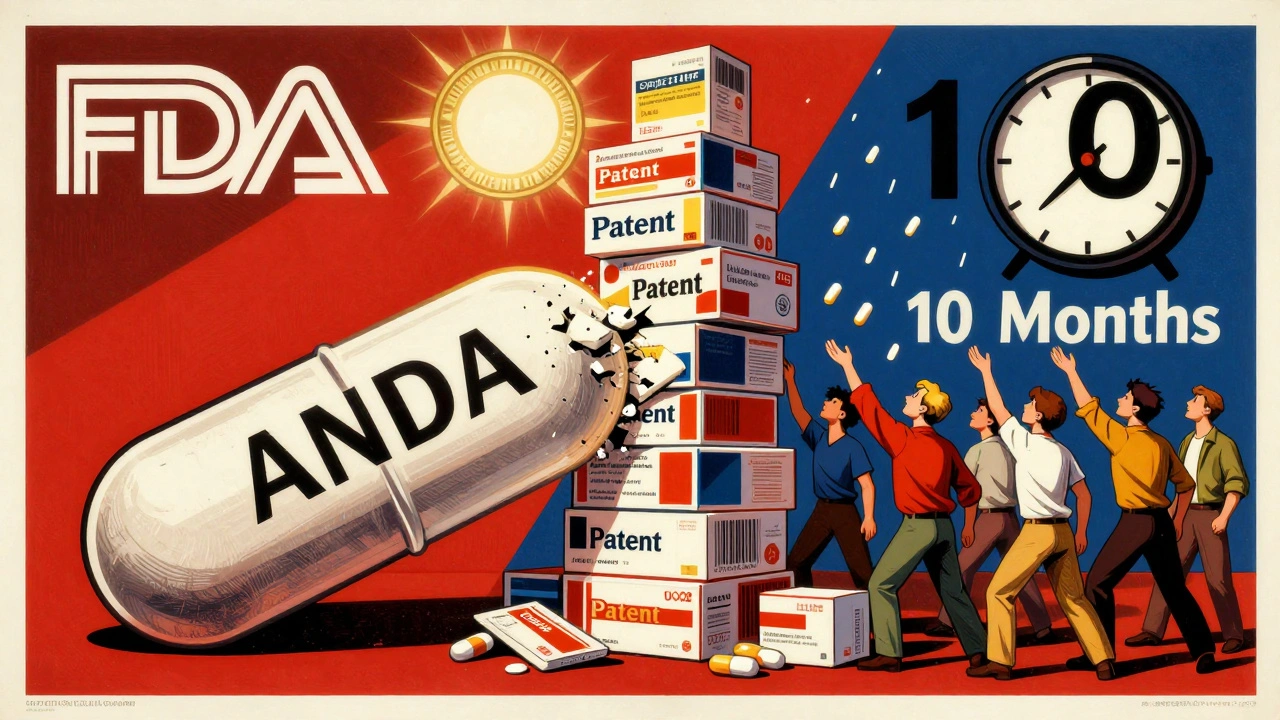
The FDA approves generic drugs through the ANDA pathway under the Hatch-Waxman Act, ensuring they match brand-name drugs in safety, strength, and bioequivalence. Learn how the legal and scientific process makes generics affordable without compromising quality.
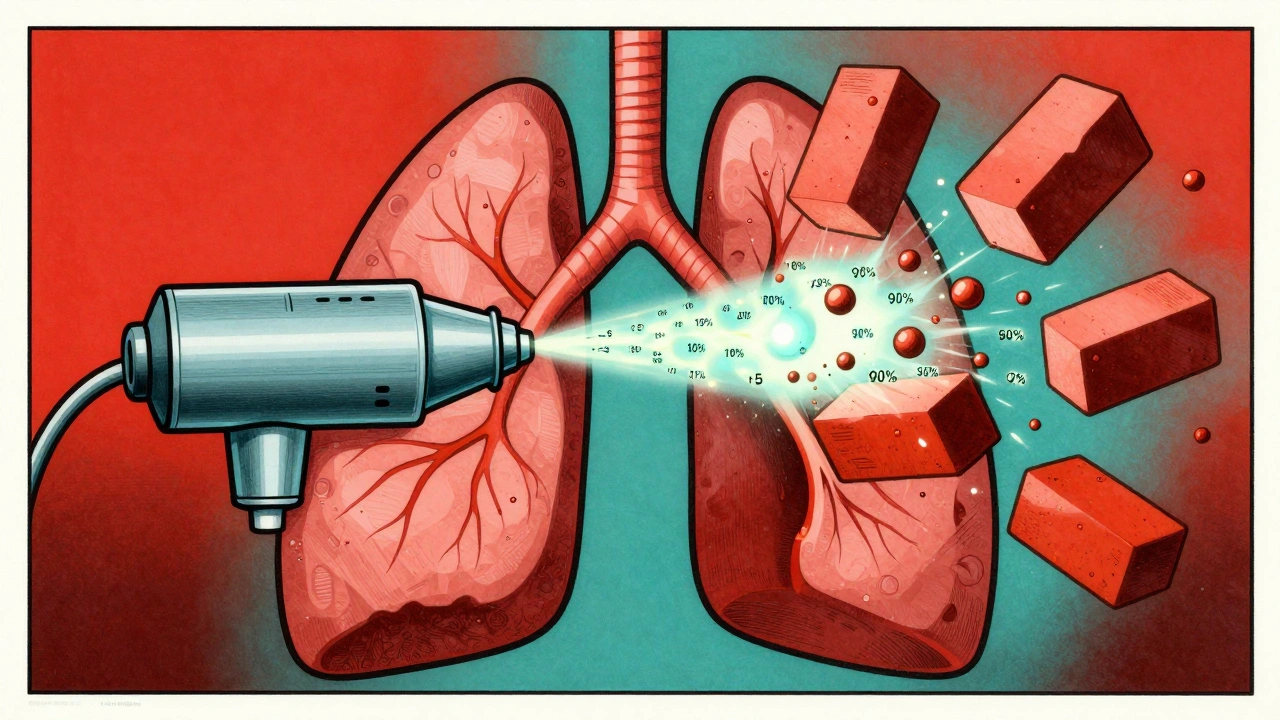
Bioequivalence for inhalers, patches, and injections ensures generic drugs work like the originals-not just in blood levels, but in how they're delivered. Learn how regulators test these complex systems and why it matters for patient safety.