

Navigate psychiatric medication safety during pregnancy with expert coordination strategies. Learn how OB/GYNs and psychiatrists collaborate to protect maternal and fetal health using evidence-based guidelines.

Explore the risks and benefits of switching between brand-name and generic antiseizure medications, including narrow therapeutic index issues and patient advocacy strategies.
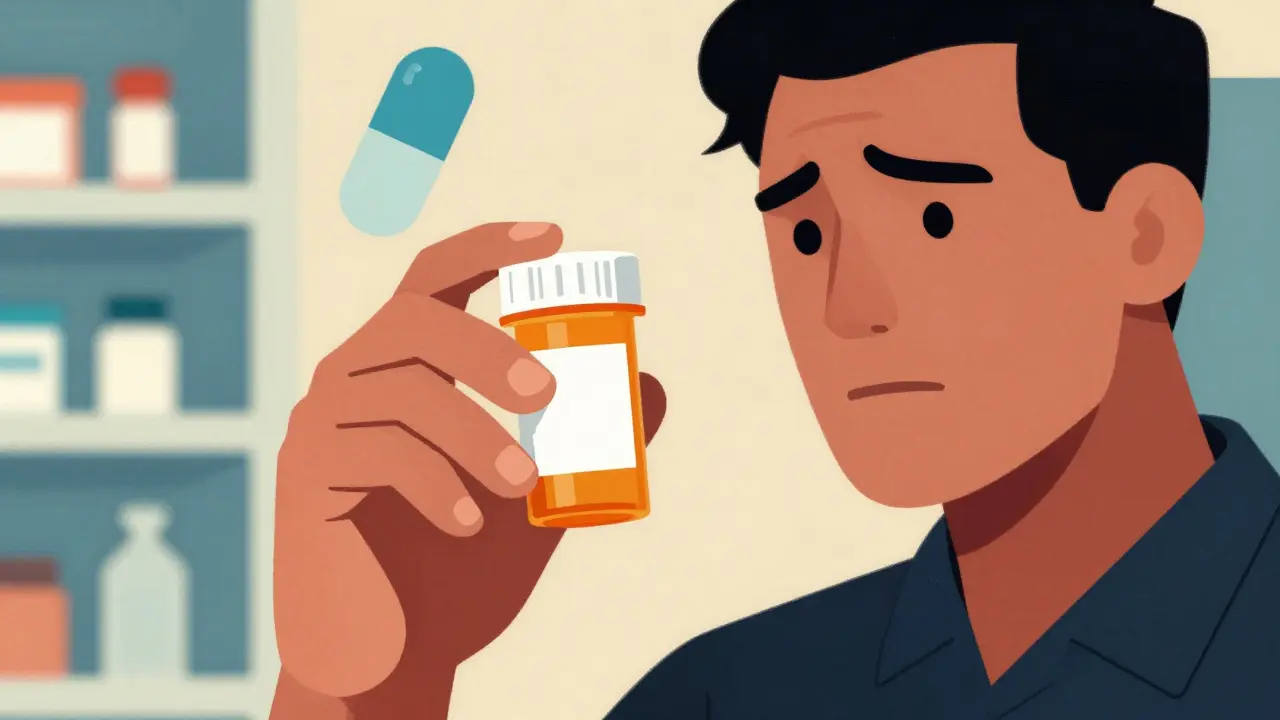
Discover why generic drugs look different from brand-name medicines due to trademark laws. Learn about bioequivalence, safety, cost savings, and how to handle appearance changes safely.
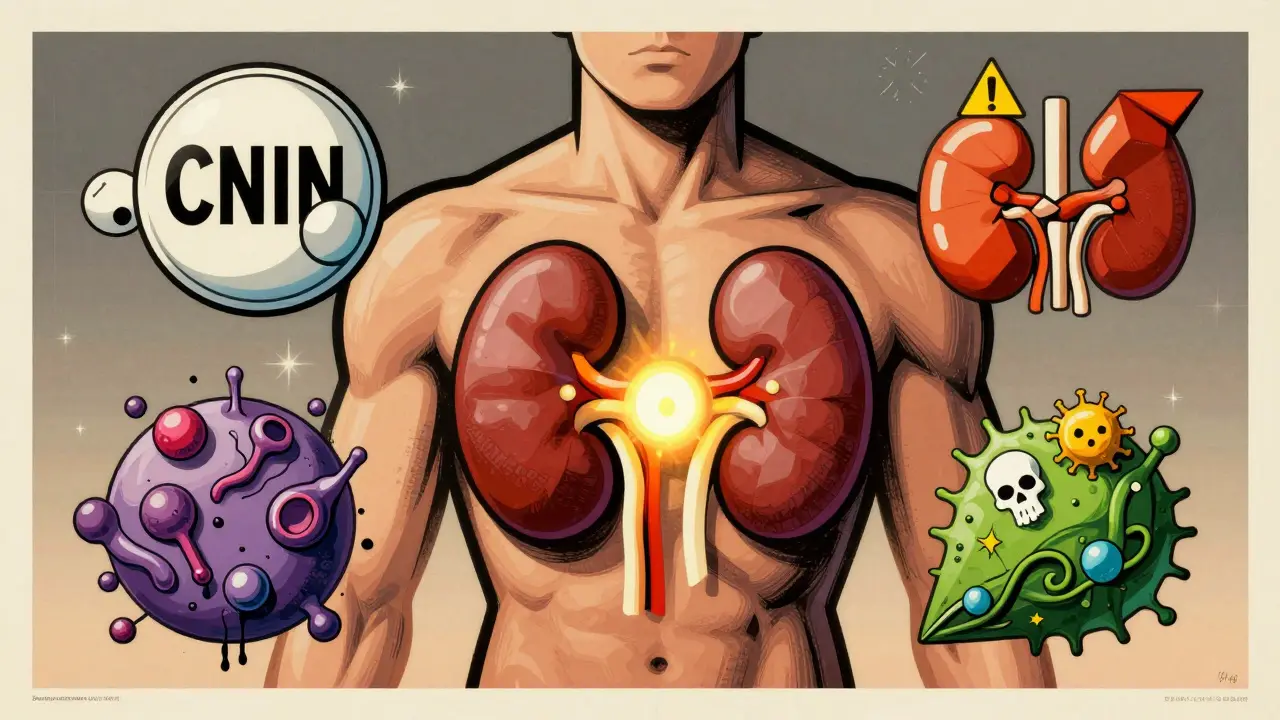
Immunosuppressants are essential after organ transplants but come with serious risks like infection, cancer, and kidney damage. Learn how these drugs work, their side effects, why adherence is critical, and how to stay safe long-term.

Expired medications aren't always dangerous-many retain potency for years. Learn which drugs are safe to use in emergencies, which are risky, and how storage affects their effectiveness during shortages.

Doctors prescribe generics daily, but many still hesitate due to outdated myths. Learn how FDA-backed education tools, real-world data, and simple communication strategies can help you confidently prescribe and explain generics to patients.

Scopolamine is the most effective motion sickness treatment, but its strong sedative effects become dangerous when mixed with alcohol, opioids, or CBD. Learn how to use it safely and avoid life-threatening interactions.

Switching from brand-name to generic drugs saves money but can hurt adherence due to perception, pill appearance, and poor communication. Learn how patients and providers can improve compliance with simple, evidence-based strategies.

Metronidazole can cause numbness and tingling due to nerve damage-especially after prolonged use. Recognizing these symptoms early can prevent permanent injury. Know the 42-gram risk threshold and act fast if tingling starts.