
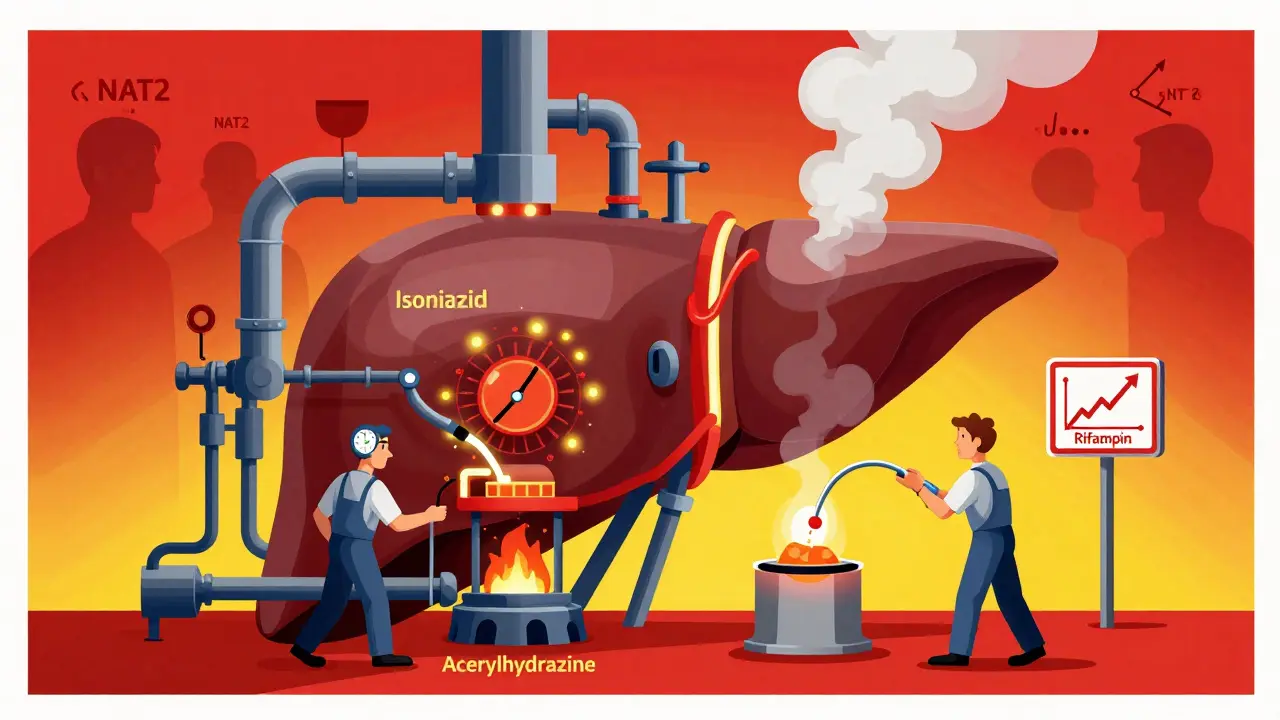
Isoniazid is a cornerstone of TB treatment but carries a significant risk of liver damage, especially when combined with rifampin or in slow acetylators. Learn how genetics, drug interactions, and monitoring can prevent serious side effects.
Learn how to read the FDA drug label to understand critical safety info, dosing, interactions, and warnings. Know what each section means and how to use it for safer medication use.
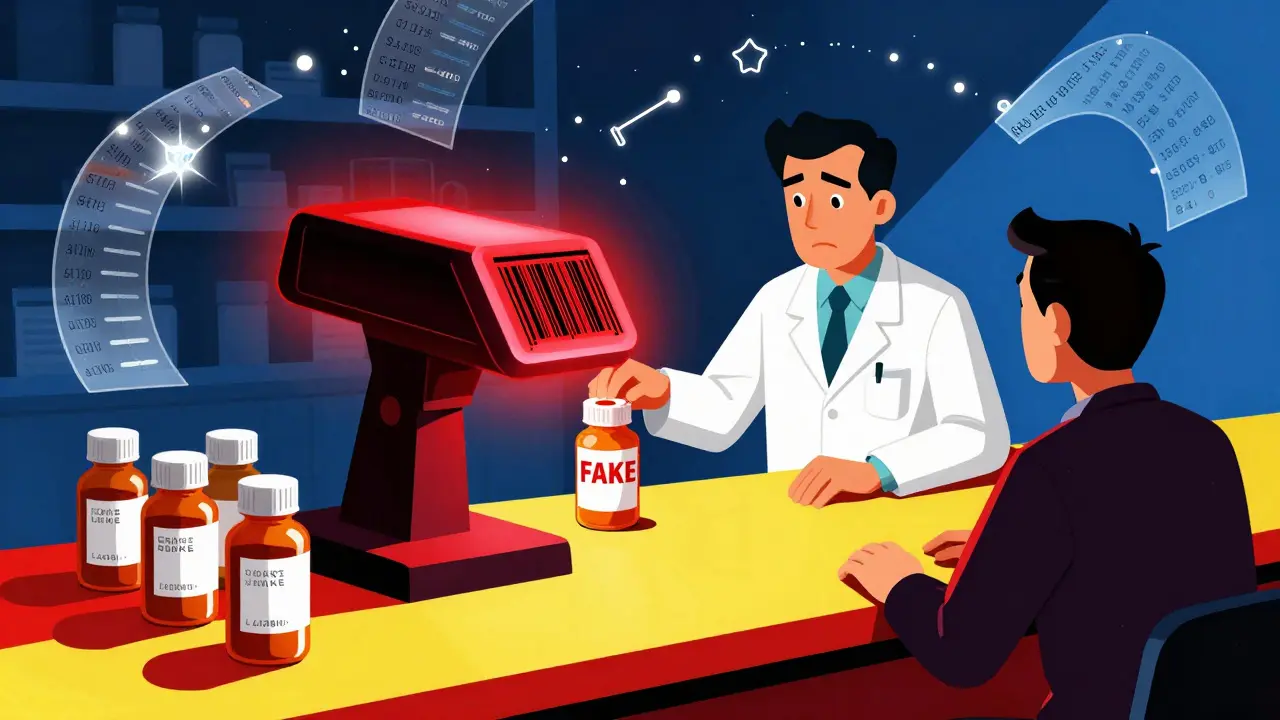
The DSCSA track-and-trace system is the U.S. government's solution to stop counterfeit drugs from reaching patients. With mandatory serialization and electronic verification, it’s cutting fake medication by 95% - but compliance is still a challenge for small pharmacies.
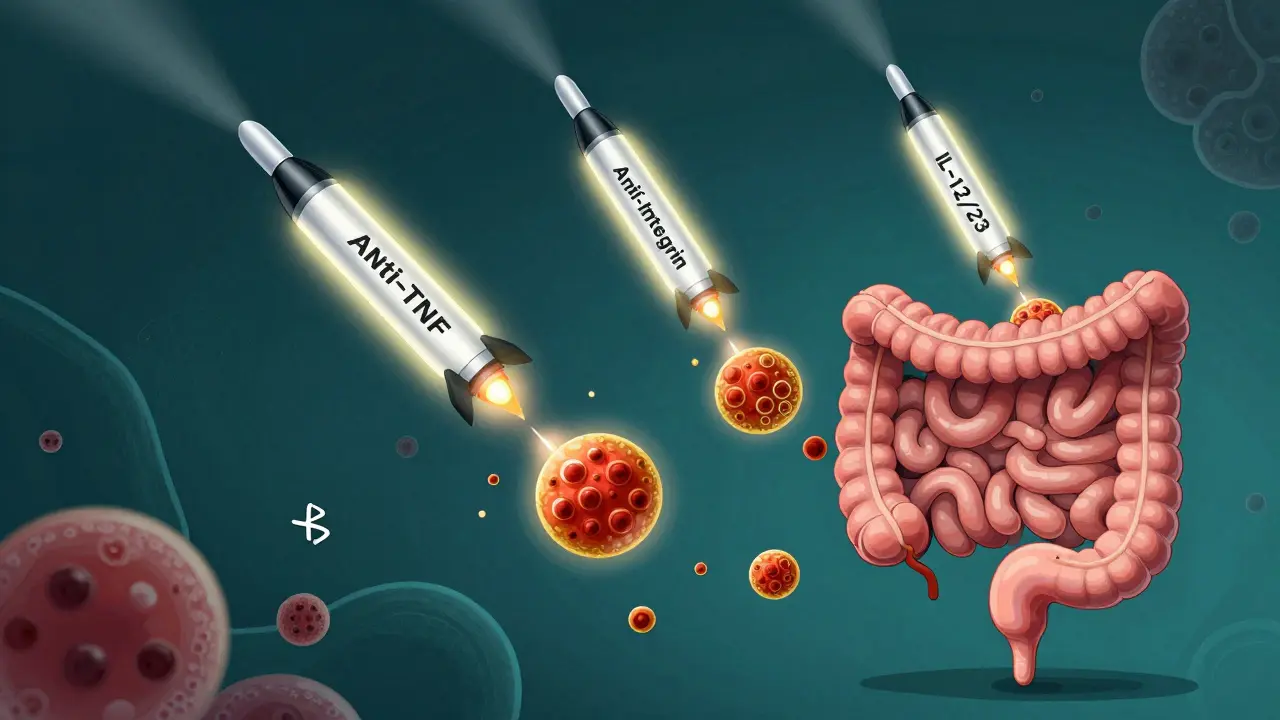
IBD biologics like anti-TNF, anti-integrin, and IL-12/23 inhibitors offer targeted treatment for Crohn's and ulcerative colitis. Learn how they work, compare effectiveness, side effects, and real patient experiences.

Time-released melatonin doesn't work for jet lag-here's why immediate-release melatonin, taken at the right time, is the only effective solution backed by science and real traveler results.
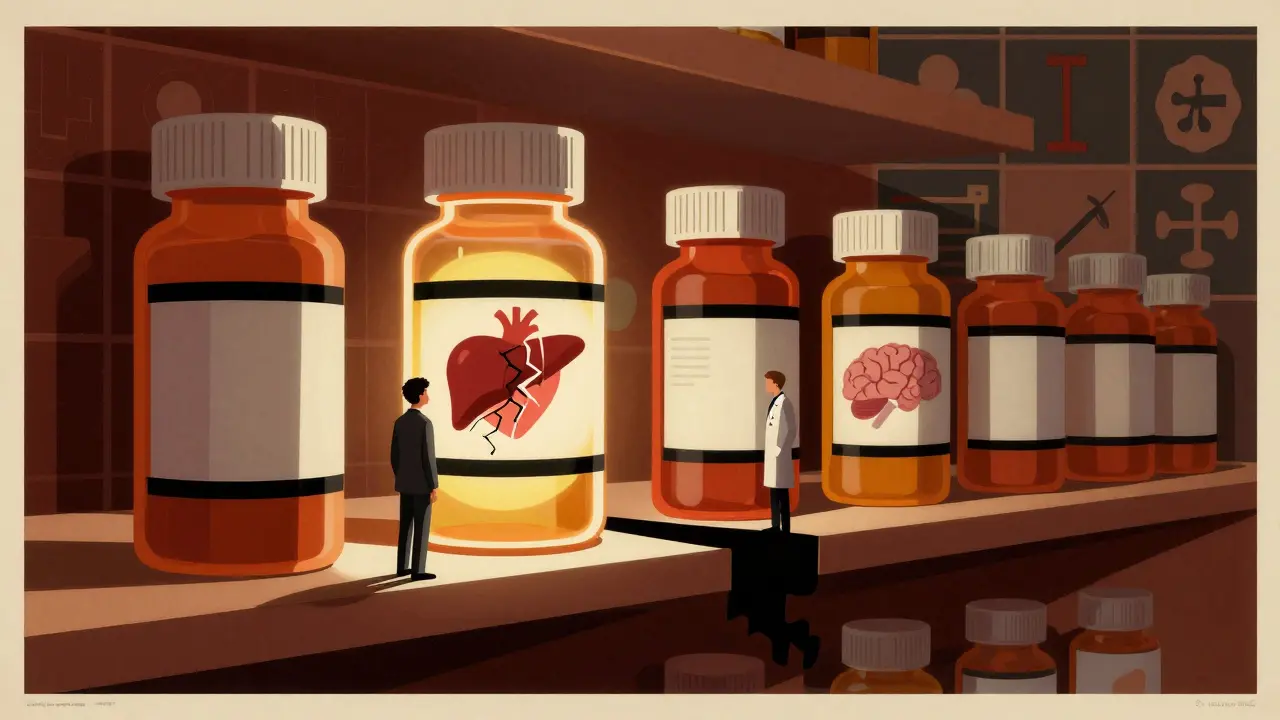
Black box warnings are the FDA's strongest safety alerts for prescription drugs, signaling life-threatening risks. Learn what they mean, how they're decided, and what to do if your medication has one.
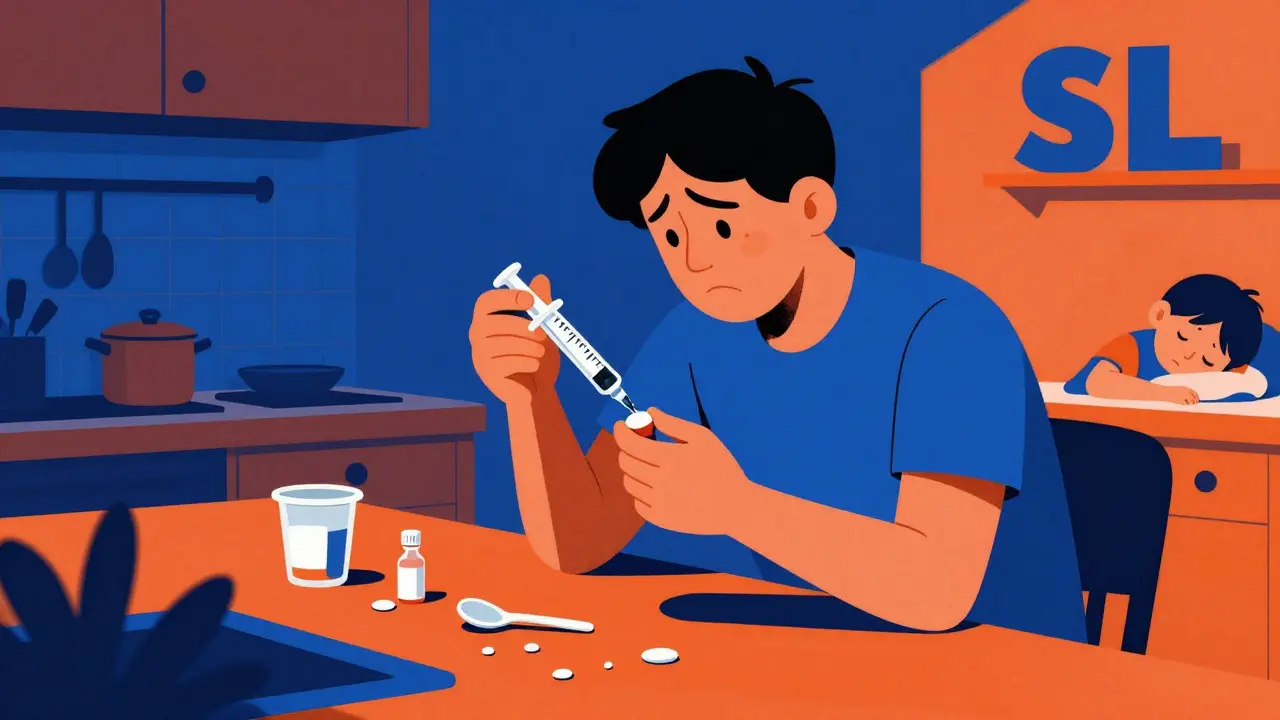
Wrong-dose errors with liquid medications are a leading cause of preventable harm, especially in children. Learn how using oral syringes, avoiding kitchen spoons, and demanding metric-only labeling can cut errors by up to 65%.
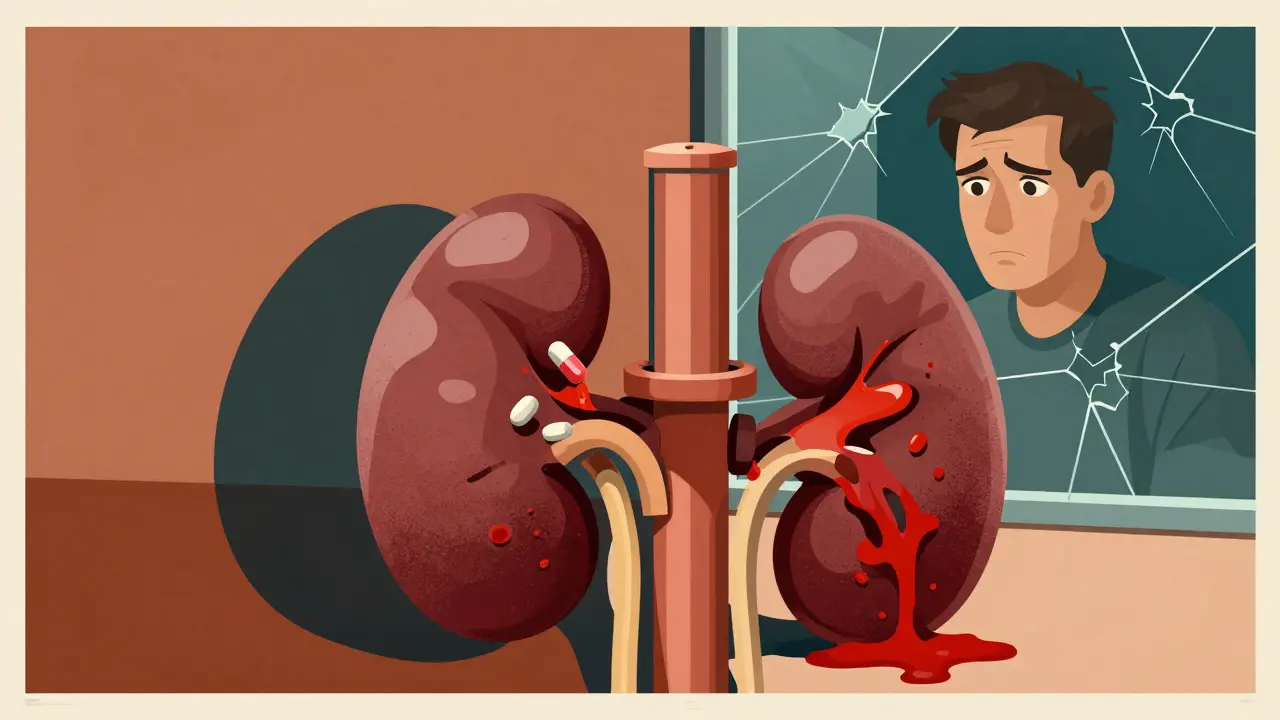
Medication buildup due to kidney disease can cause serious toxicity. Learn which drugs are dangerous, how to spot risks, and what steps to take to protect your kidneys from preventable harm.
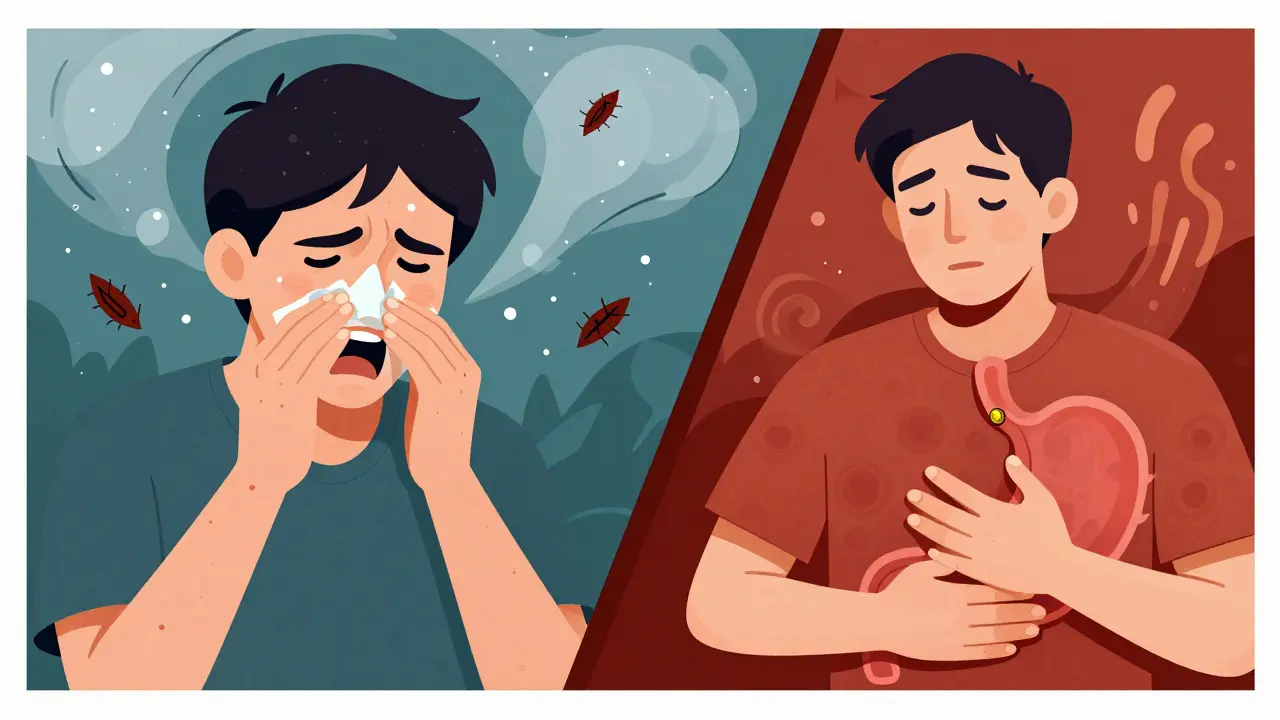
H1 blockers treat allergies with minimal drowsiness in newer versions, while H2 blockers reduce stomach acid. Know which one to use-and which side effects to watch for.
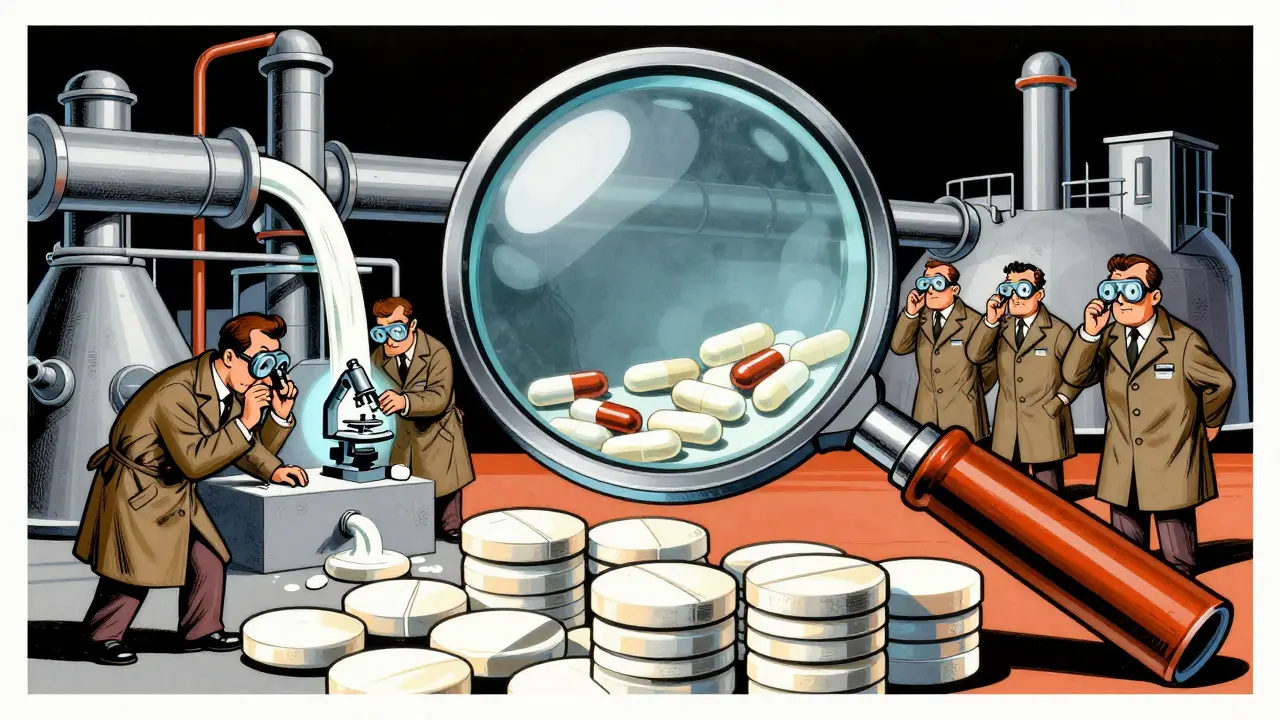
The FDA ensures generic drug safety through strict manufacturing oversight, bioequivalence testing, and global inspections. Every generic must meet the same quality and safety standards as brand-name drugs - and the FDA monitors them continuously.
Replicate study designs are essential for assessing bioequivalence of highly variable drugs. They reduce sample sizes, improve accuracy, and meet global regulatory standards like FDA and EMA requirements for RSABE.
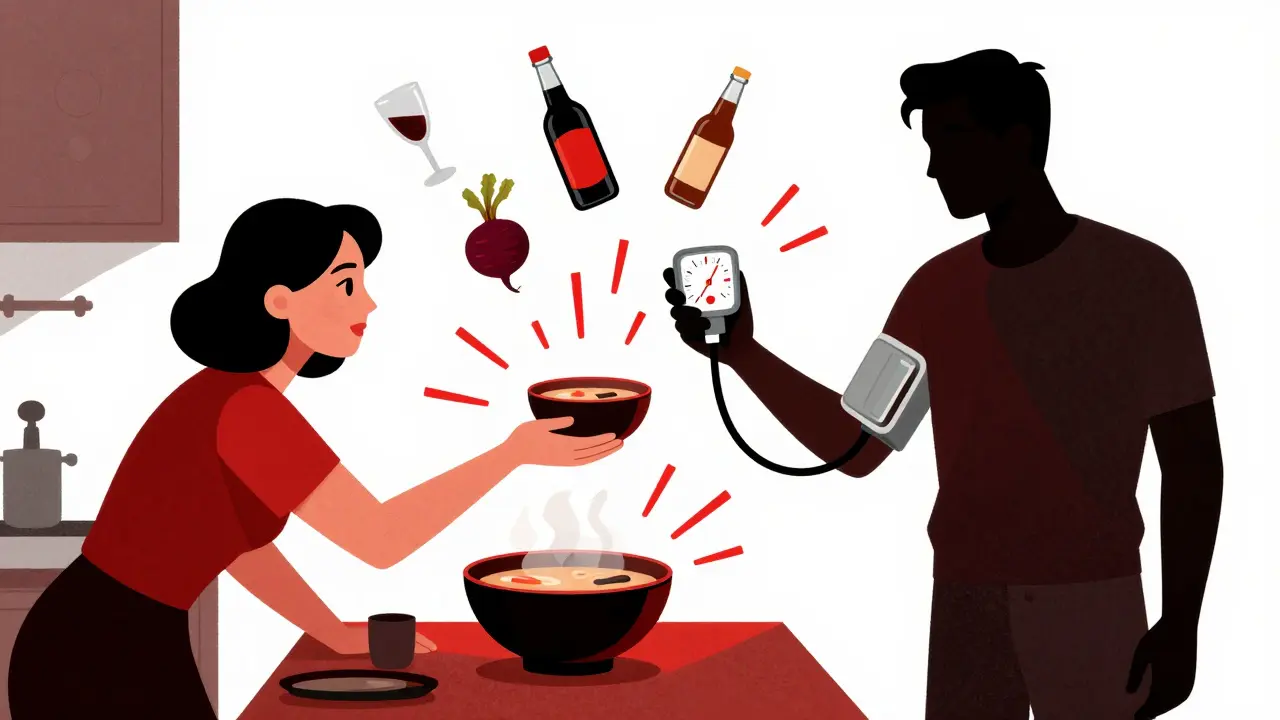
MAOIs can save lives-but eating the wrong fermented food can trigger a deadly blood pressure spike. Beyond cheese, tyramine hides in soy sauce, pickled veggies, cured meats, and even draft beer. Know the real risks.