
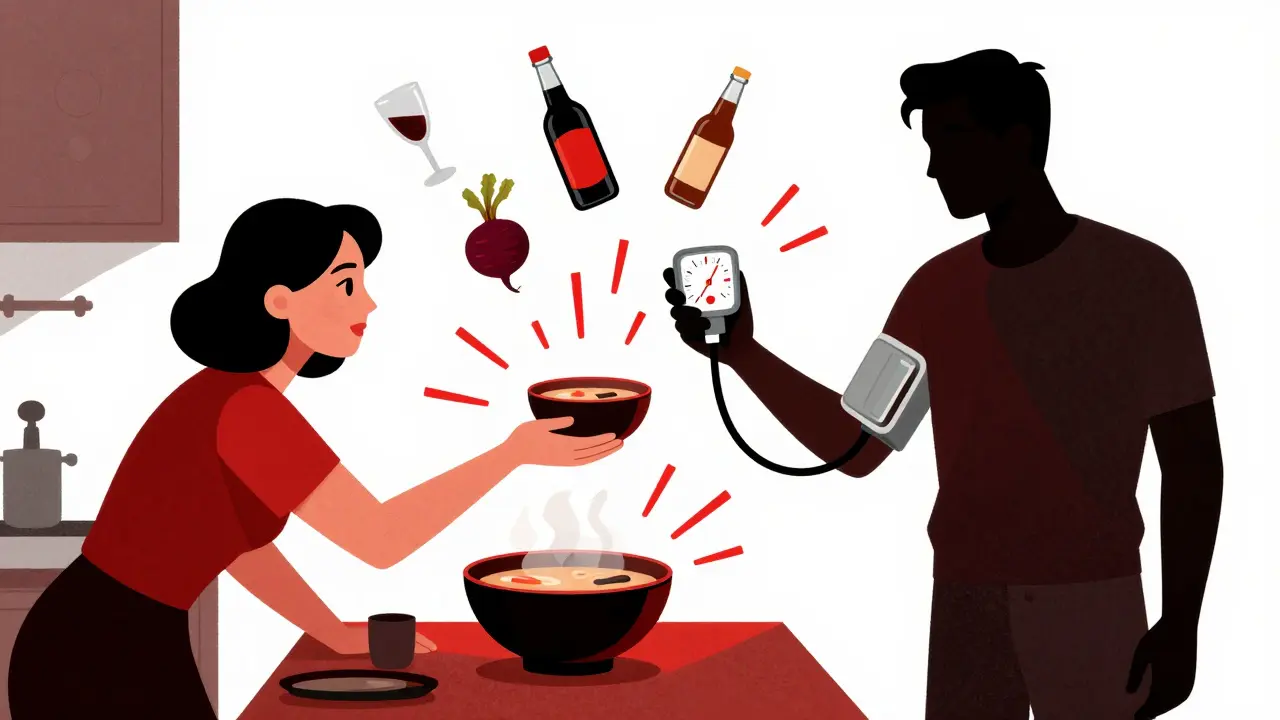
MAOIs can save lives-but eating the wrong fermented food can trigger a deadly blood pressure spike. Beyond cheese, tyramine hides in soy sauce, pickled veggies, cured meats, and even draft beer. Know the real risks.

Doctors and nurses must report suspected child abuse, elder abuse, public health threats, and professional misconduct. Learn what’s required, when to report, and how to stay protected under the law.
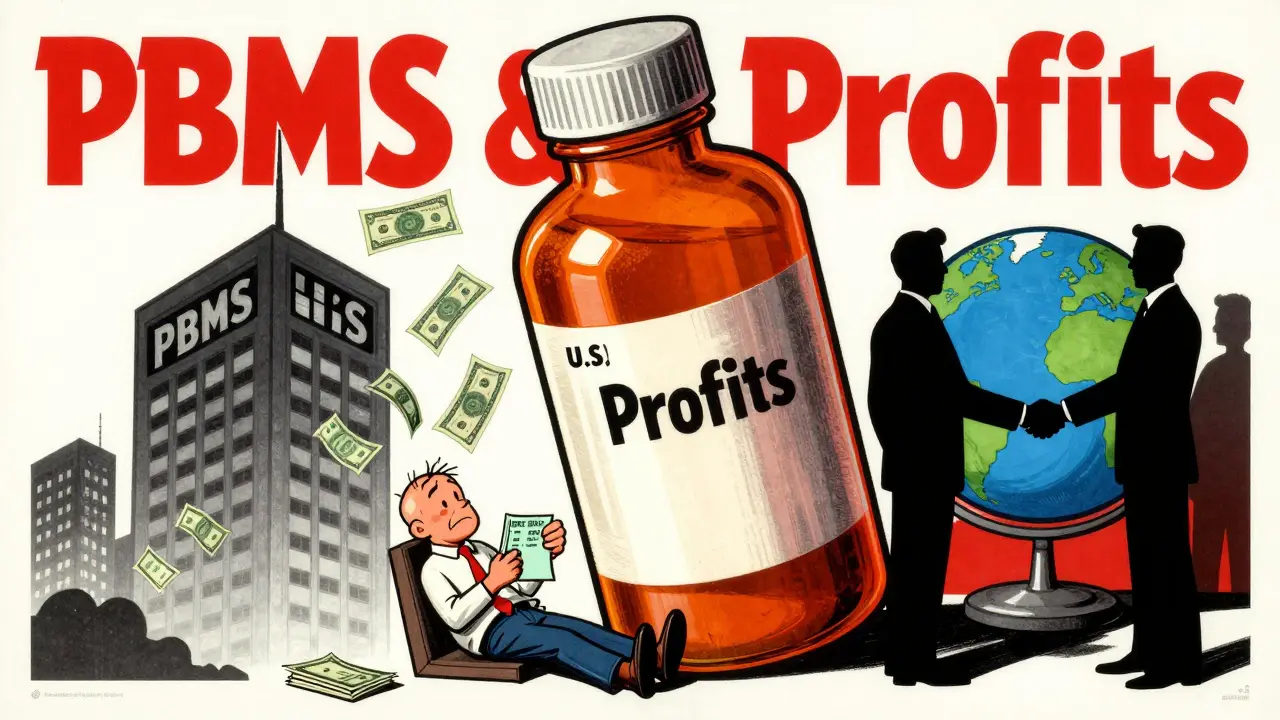
Americans pay up to 10 times more for the same prescription drugs than other wealthy nations. This article breaks down why - from banned Medicare negotiation to profit-driven middlemen - and what’s being done to fix it.
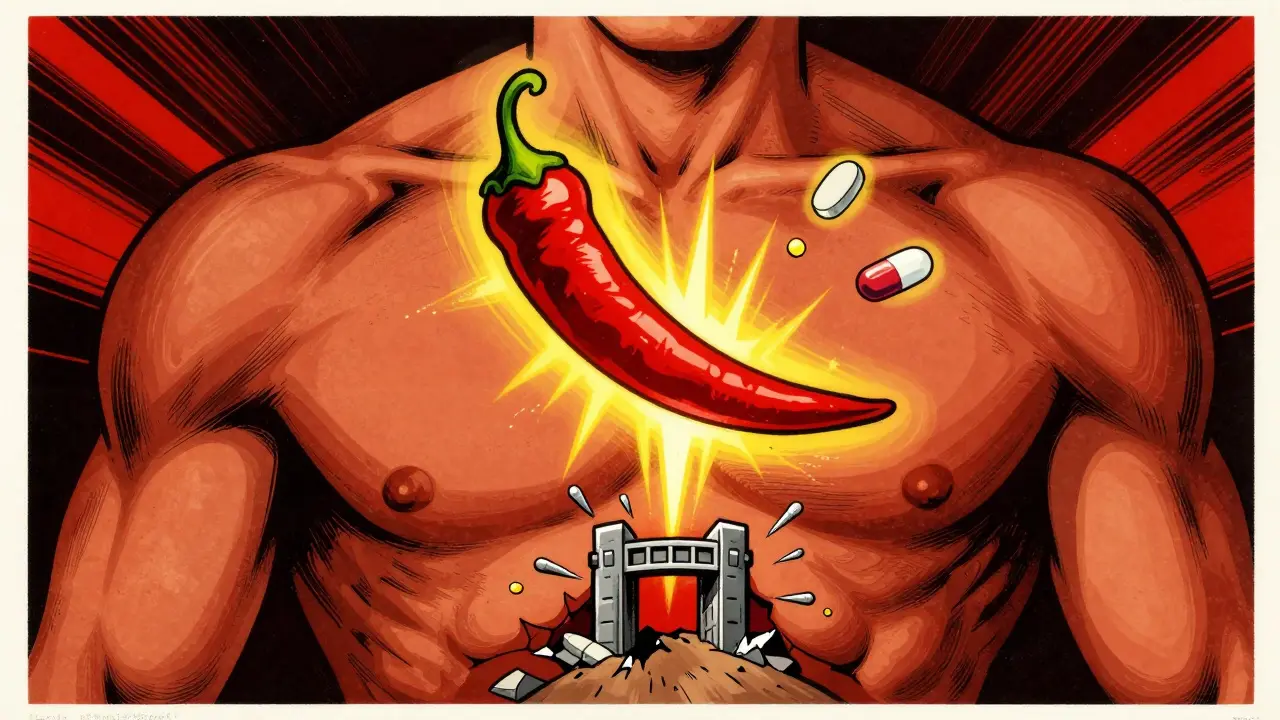
Learn how spicy foods and common medications like aspirin and pantoprazole interact to trigger heartburn-and how to reduce symptoms with smart timing, diet tweaks, and personalized tracking instead of just popping antacids.
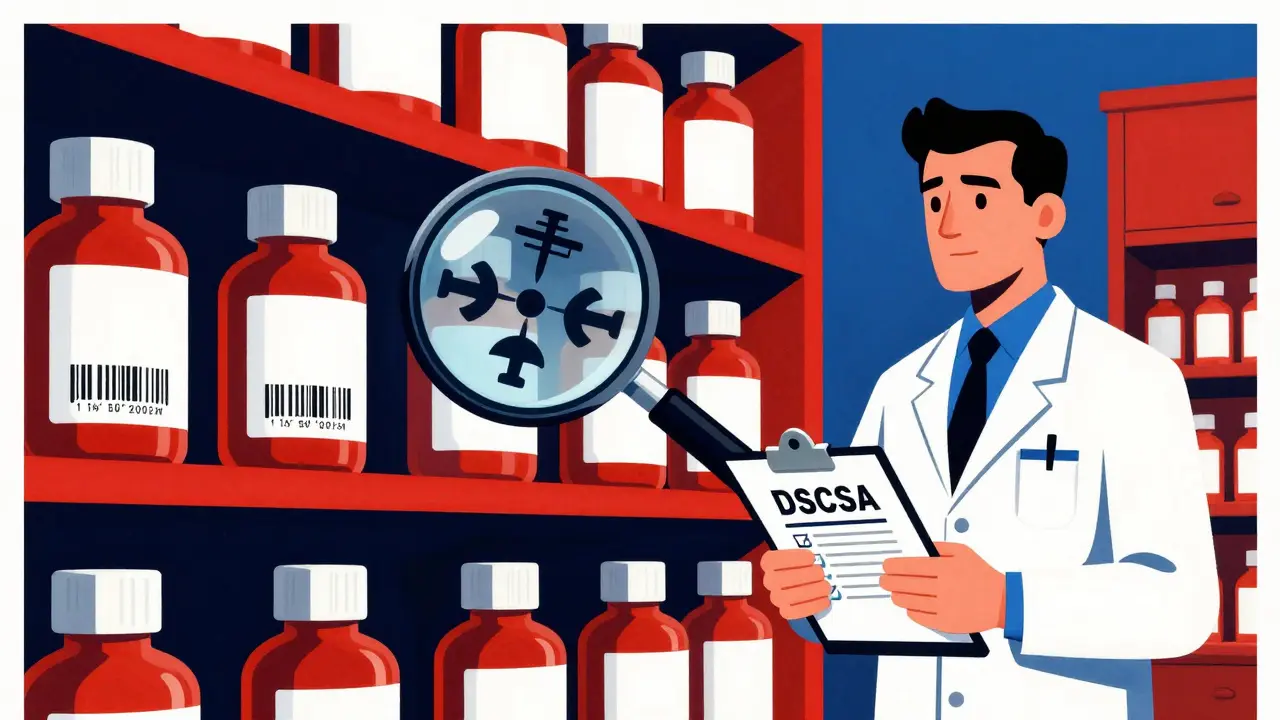
Learn the legal and technical standards pharmacies must follow to source drugs safely and avoid counterfeit medications. From DSCSA compliance to supplier vetting, this guide covers what you need to know to protect patients and stay compliant.
Medical society guidelines on generic drug use vary by specialty. While most generics are safe, drugs with narrow therapeutic indices require caution. Learn which conditions demand careful substitution and why doctors sometimes oppose automatic swaps.
If you have asthma, some common painkillers like ibuprofen or aspirin can trigger dangerous breathing reactions. Learn what NERD is, who’s at risk, which meds are safe, and how to avoid life-threatening reactions.

Lot-to-lot variability is a natural part of biologics and biosimilars due to their complex, cell-based production. Unlike generics, biosimilars aren't exact copies - but they're proven safe and effective. Learn how regulators, labs, and manufacturers manage this variation.
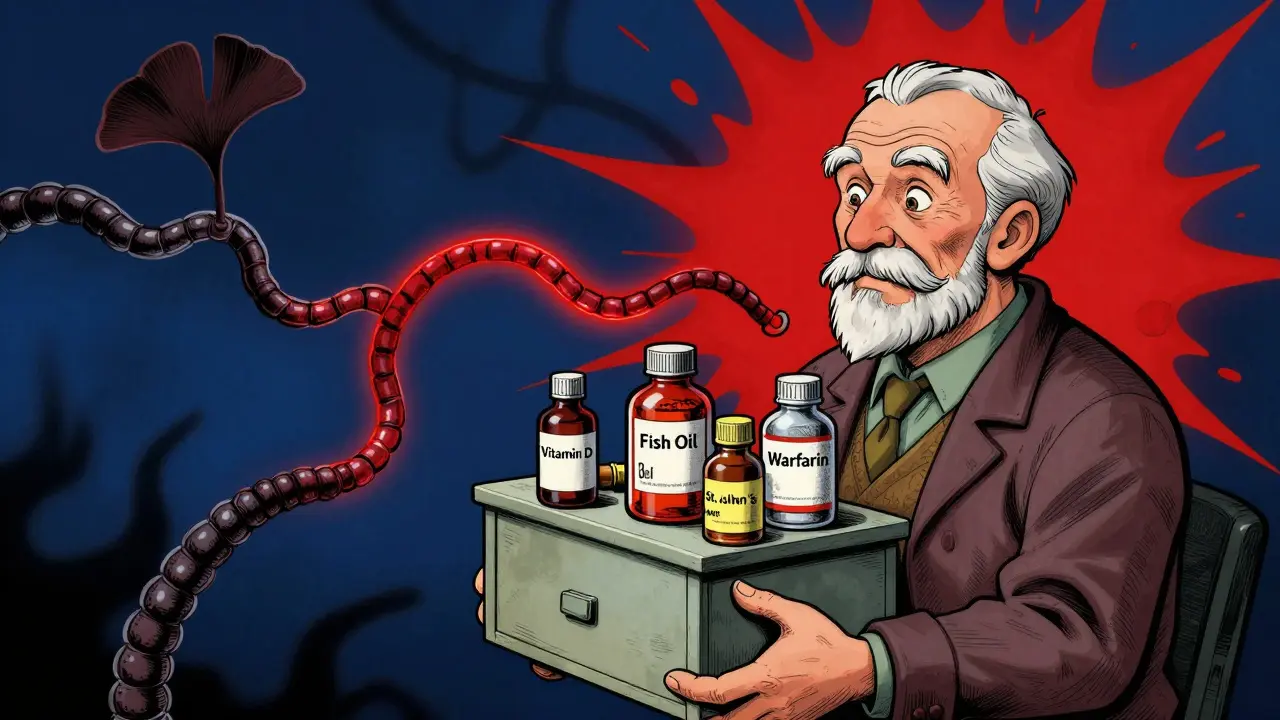
Dietary supplements can dangerously interact with prescription drugs, causing serious side effects or reducing medication effectiveness. Learn the top risky combinations, why doctors often miss them, and what you can do to stay safe.

Metabolic syndrome is a cluster of conditions - high waist size, elevated triglycerides, and poor glucose control - that together raise heart disease and diabetes risk. Learn how they're linked and what actually works to reverse them.
Safer sleep medications for older adults include low-dose doxepin, ramelteon, and lemborexant-avoid benzodiazepines and z-drugs due to high fall and cognitive risks. CBT-I is the most effective first-line treatment.
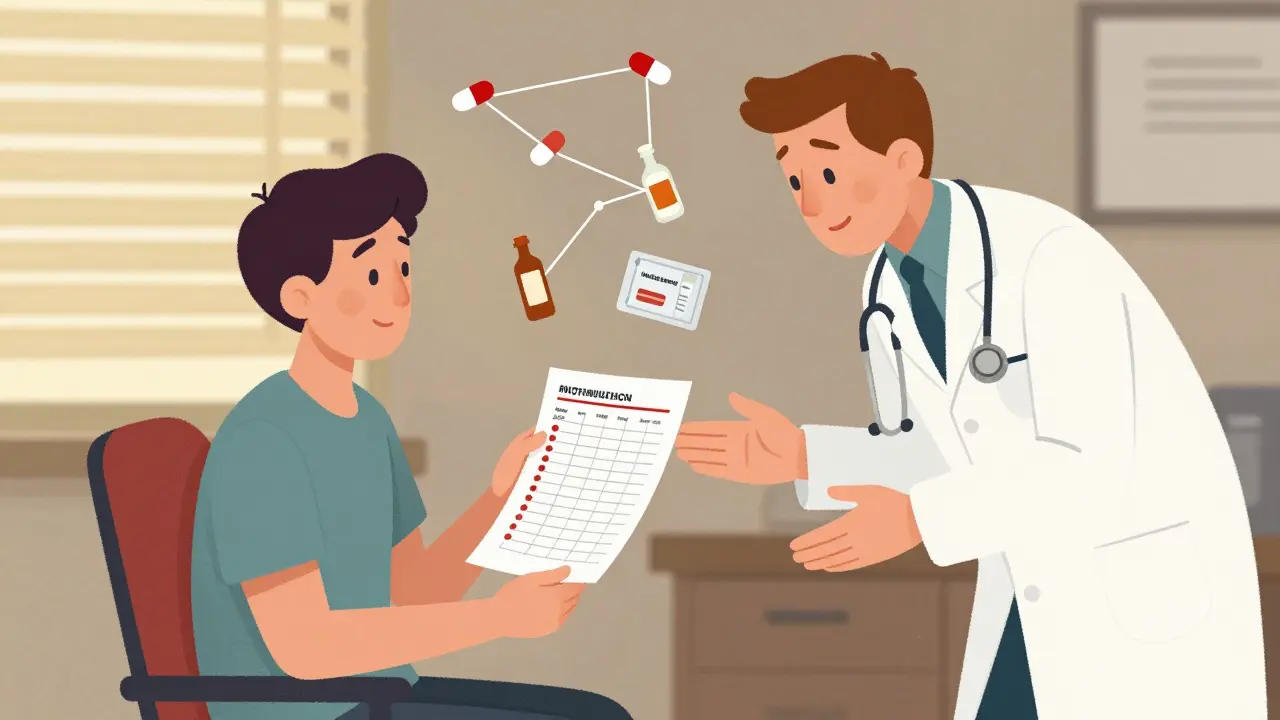
Learn how to talk to your doctor about overdose risk using clear, evidence-based language that reduces stigma and increases your chances of getting naloxone and support. No shame. Just facts.